

2026 THE CATALYST YEAR
Turning five years of teacher-led insights into shared action and impact at scale
#Schools2030VirtualForum #CatalyseImpact
Five years ago, Schools2030 began with a simple idea: teachers must inform the future of learning.
Since that time, across thousands of classrooms, teachers have worked hard to become researchers, innovators, and leaders of change. Teachers have been leading a global movement — a movement powered by holistic learning tools, shared evidence, and collective insight. Now, in 2026, we are on on the cusp of something very exciting. A moment to go deeper into what works, to connect learning across contexts, and to turn teacher-led innovation into impact at scale.
This year is about sharing what we’ve learned, amplifying what teachers are telling us, and offering practical insights and tools to the wider education sector.
This is our invitation to you – to learn from what is happening in classrooms, to raise your voice for teachers and to help shape what comes next.
We invite you to join us online for our five-part series, the Schools2030 Virtual Forum. We will hear from teachers the world over whose work is informing the future of education across five important, cross-cutting themes. Explore the sessions in more detail below and watch the Virtual Forum launch video (right).
We are excited to welcome you to the conversations!
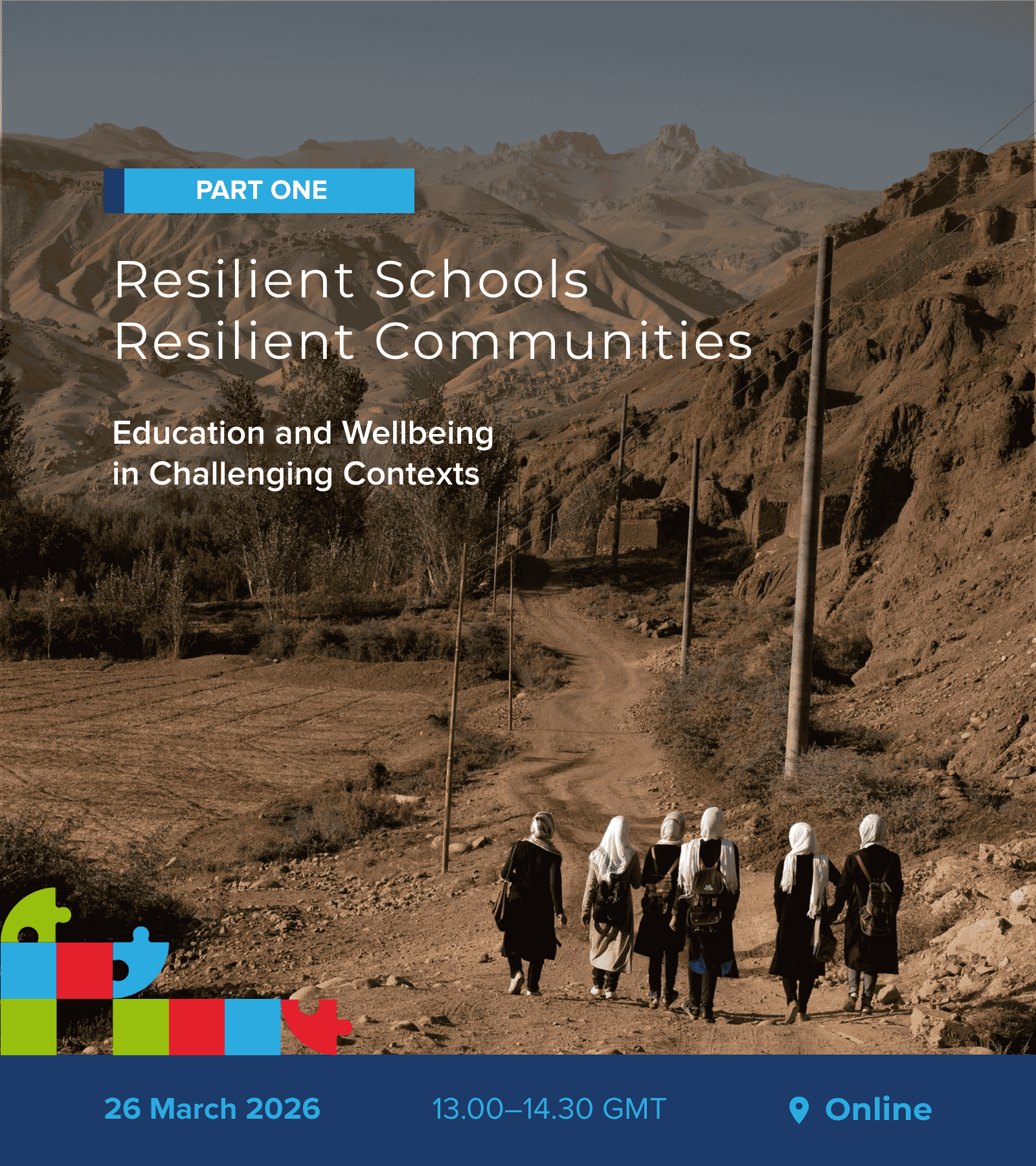
Resilient Schools, Resilient Communities
For children living through conflict, displacement, or climate disaster, barriers to learning go far beyond the classroom. Trauma, uncertainty, and loss can undermine wellbeing, erode confidence, and make it harder to stay in school or imagine a future. Yet in crisis-affected contexts, education systems often prioritise what is easiest to measure — attendance, literacy, numeracy — while the foundations of learning, such as resilience and wellbeing, remain invisible.
Teachers are working to make wellbeing both visible and a priority. Using co-developed assessment tools, they are measuring social-emotional skills – empathy, collaboration, and respect for diversity – which help children navigate challenges, strengthen relationships, and feel a sense of belonging. By pairing these insights with innovative solutions in classrooms and communities, they are shaping confident students, resilient schools, and thriving communities, turning education into a source not just of learning, but of stability and hope.
In Part One of our Virtual Forum series, hear from our teachers and teams who are leading this work in the most challenging of contexts. Discover how they are supporting students – and themselves – to navigate uncertainty, displacement, climate shocks and more.
#ResilientSchools
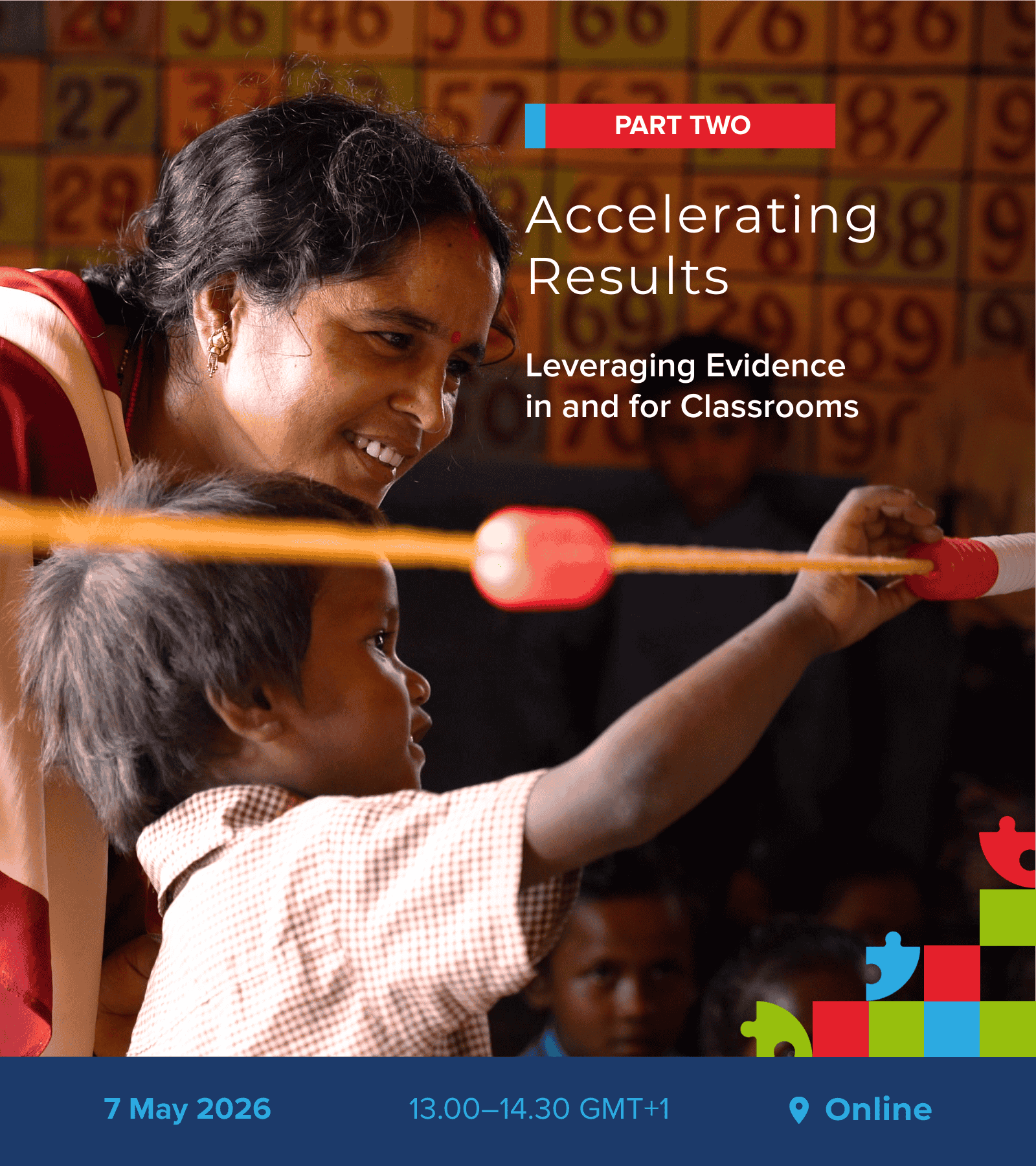
Accelerating Results: Leveraging Evidence in and for Classrooms
Teachers face immense challenges: addressing diverse learning needs, supporting social and emotional development, integrating new approaches, and fostering inclusive, resilient communities — all while working with limited resources.
To meet these demands, teachers are co-designing and using contextualised assessment tools that make the whole child – and their learning environment – visible and measurable. With items that can measure academic and social-emotional skills, working alongside tools that support teachers to observe, reflect, adapt and act on their own practices, students and their classrooms are improving across multiple dimensions.
By leveraging this evidence, teachers are experimenting, adapting, and refining strategies tailored to their learners, and sharing successful methods with colleagues and others. This cycle of assessment, reflection, and adaptation strengthens teaching, builds leadership, and ensures holistic learning becomes everyday practice. With evidence, teachers are informing system-wide policy and practices that improve education for all learners.
In Part Two of our Virtual Forum series, hear from our teachers and teams across the world and find out how they are generating evidence on ‘what works’ to inform and transform classrooms and communities.
#AcceleratingResults
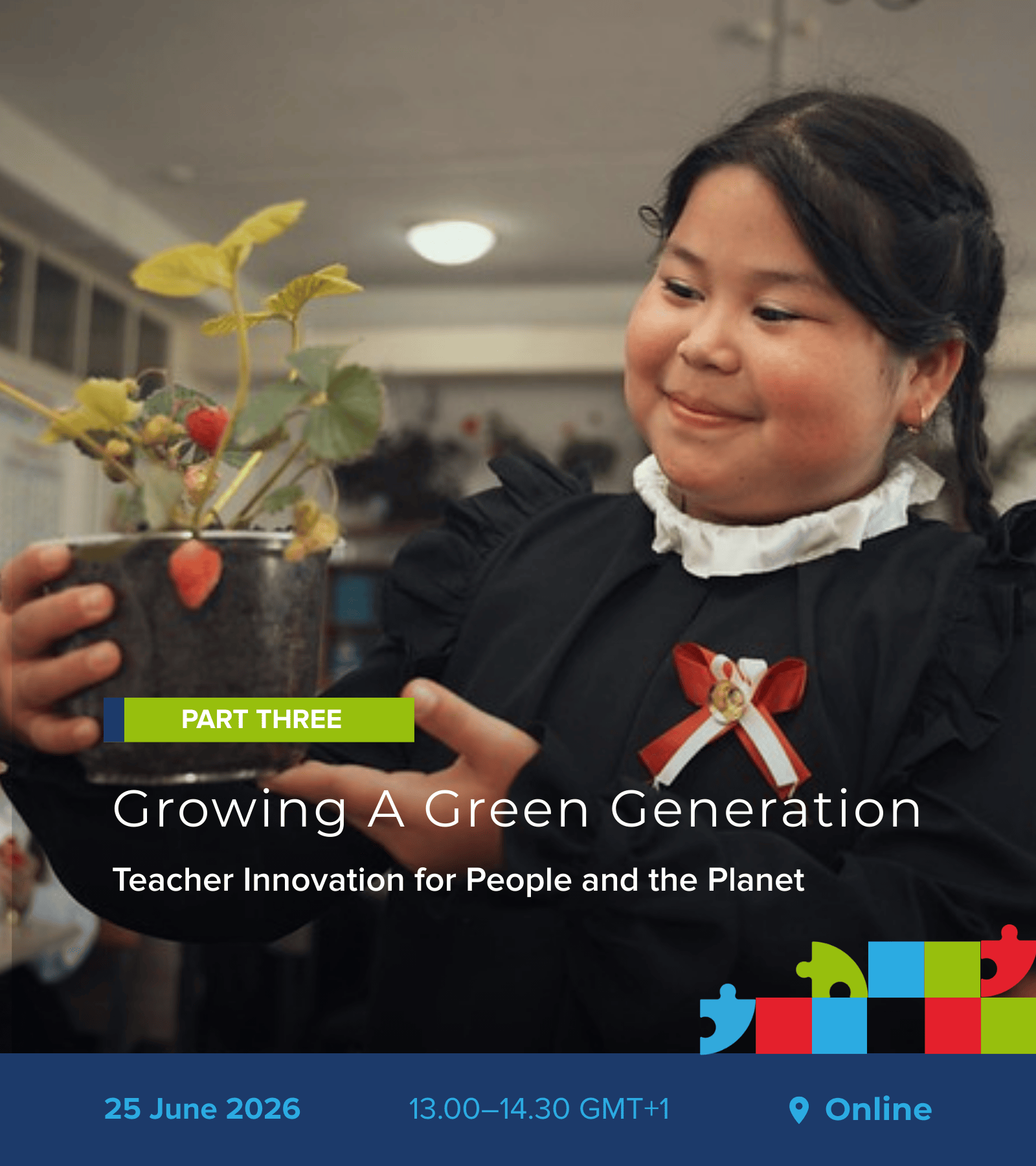
Growing A Green Generation: Teacher Innovation for People and the Planet
Climate change is no longer a future threat — for millions of children, it shapes daily life through floods, heat, displacement, and uncertainty. In these contexts, climate and nature-based education cannot be abstract. Children are living its consequences, and schools must equip them with the skills, resilience, and agency to adapt and thrive.
Teachers are gathering evidence from their classrooms and communities to understand how climate affects learning and wellbeing. They use these insights to adapt and innovate, shaping approaches that respond to local challenges, from floods and droughts to food insecurity and displacement. Climate learning becomes integrated into everyday teaching, connecting science, maths, wellbeing, problem-solving, and community action. While the world tackles the climate crisis from many angles, education has long been underleveraged — and teachers are proving that learning can equip children and communities to build a more sustainable, resilient future.
In Part Three of our Virtual Forum series, join our teachers and teams to understand how they are growing a green generation.
#GrowingGreen
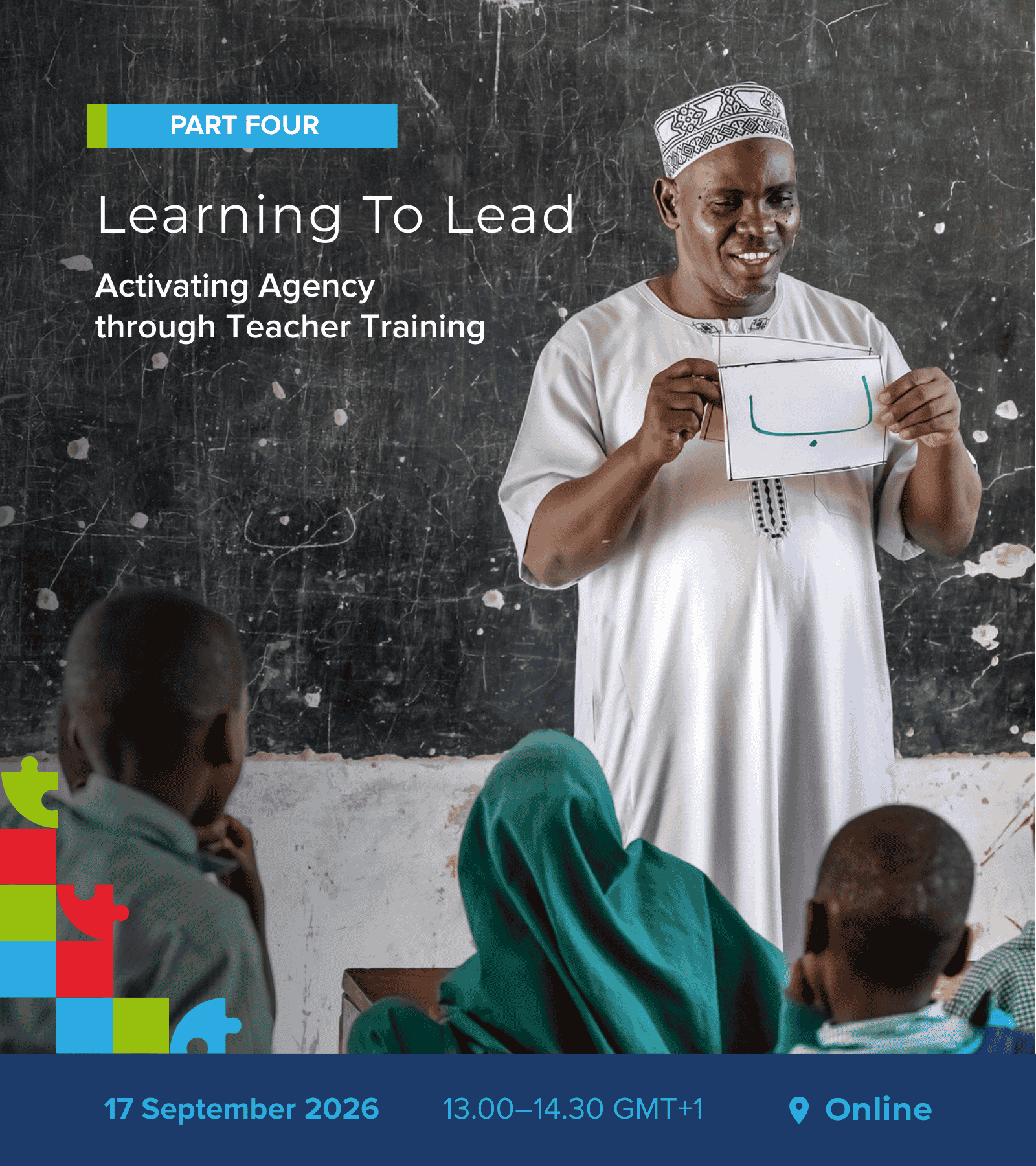
Learning to Lead: Activating Agency in Teacher Training
Across many education systems, teachers are expected to deliver lessons, follow curricula, and meet targets, but they are rarely empowered to adapt or respond in real time to challenges in their classrooms. This gap is even more pronounced in under-resourced or crisis-affected contexts, leaving teachers without the tools, confidence, or support to act. When teacher agency is constrained, learning stalls, engagement drops, and classrooms struggle to meet local realities.
When teachers are trusted and equipped to lead from the outset, classrooms become more adaptive, inclusive, and responsive. Teachers grow in confidence, creativity, and professional identity, and education systems evolve to support ongoing learning. By investing in professional development that prioritises teacher agency and innovation, education systems can transform not just individual classrooms, but entire schools — building resilient, effective learning environments capable of preparing learners for today’s challenges and tomorrow’s uncertainties.
In Part Four of our Virtual Forum series, we will hear insights from teachers on the front lines to find out how they are working to embed innovation and agency into teacher-training curricula.
#LearningToLead
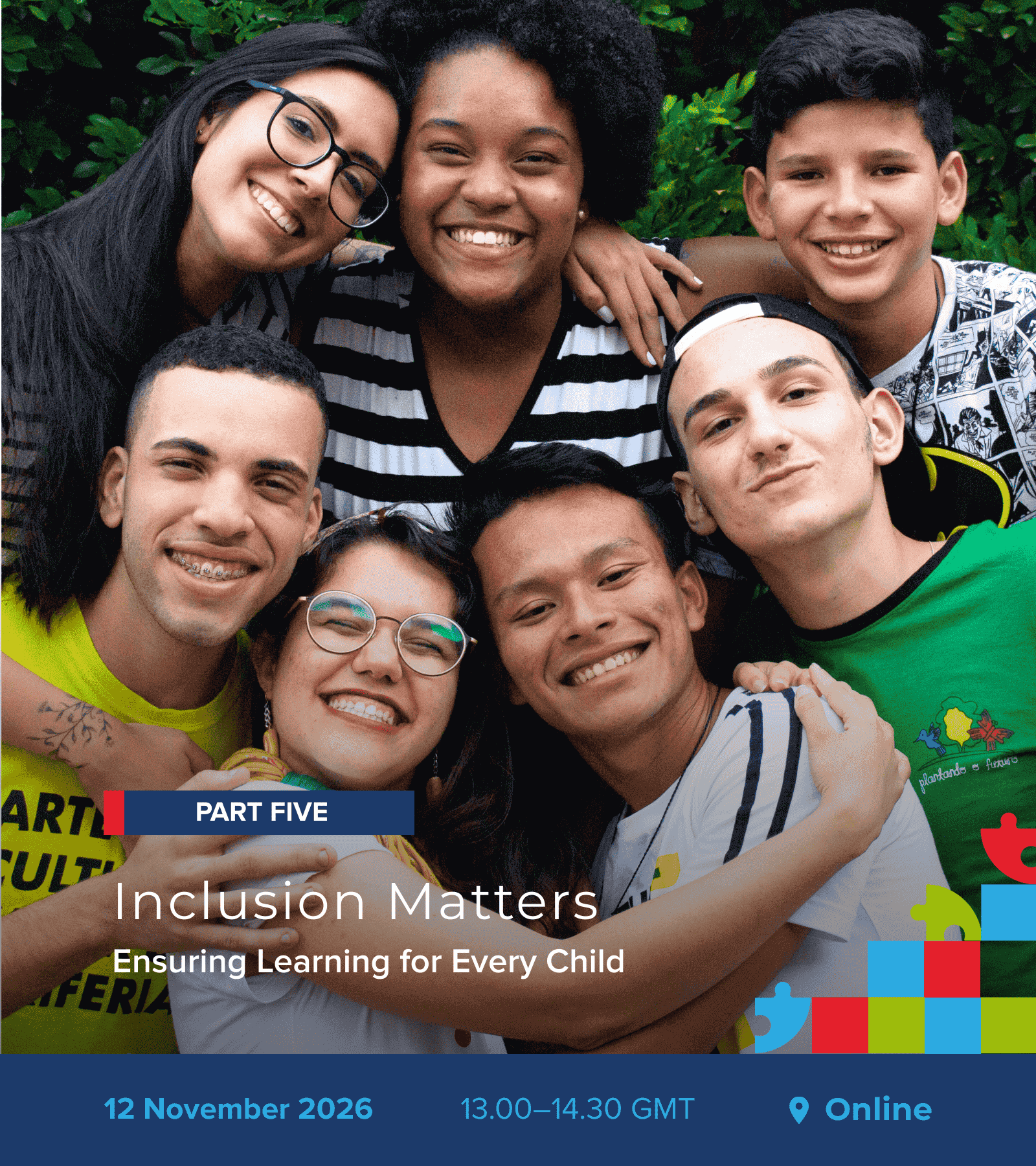
Inclusion Matters: Learning for Every Child
Every child has a unique story, ability, and identity. Some face learning differences, others encounter barriers linked to gender, disability, language, or displacement. Yet education systems often focus on “average learners” and standardised outcomes, leaving many children unseen and unsupported. The result is lost potential, widening inequities, and missed opportunities to foster empathy and belonging.
Through formative assessment and human-centred design, teacher are developing workable solutions that teachers are now developing workable strategies for inclusion. They are identifying barriers that traditional approaches often overlook — including learning differences, social exclusion and subtle biases. They are adapting lessons, creating flexible pathways, fostering peer support, and building classroom cultures that celebrate pluralism. By embedding inclusion into teaching classrooms are becoming spaces of collaboration, empathy, and respect, and helping foster stronger, more responsive, education systems that are ensuring every child can learn, belong, and flourish.
In the final part of our Virtual Forum series, our teachers and teams working to make inclusion a priority. They will share how they are leading inclusive strategies in their classrooms.
#InclusionMatters