Uganda
5 Years
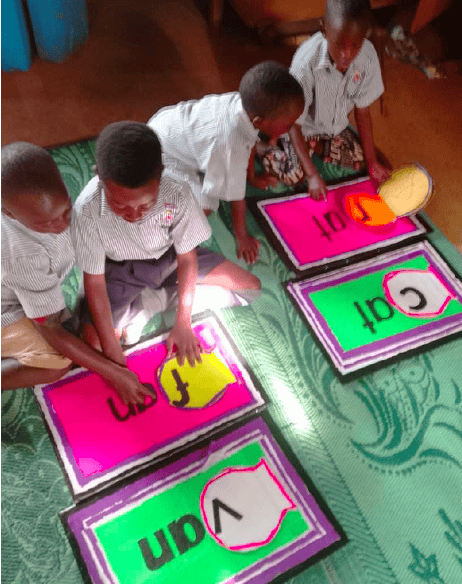
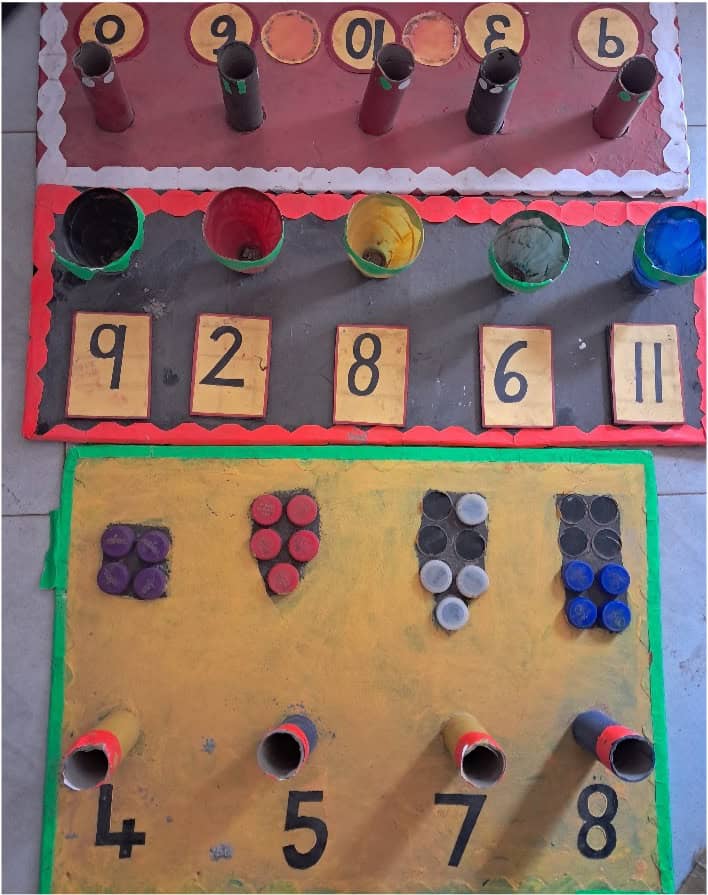
Improvised Abacus
How might we use locally available materials to strengthen early numeracy skills in young learners?




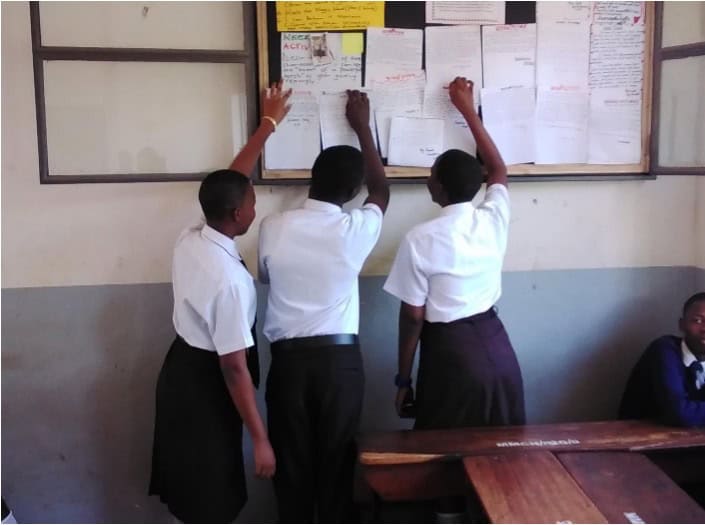
Kololo Senior Secondary School is a government-funded school located in Kampala Central, along the Lugogo Bypass. The school has over 6,000 students. In the class of Ms. Akol Rachael, an experienced teacher and innovation designer, there are typically 80–100 learners. The school is surrounded by commercial buildings, and most students come from nearby low-income communities such as Naguru, Kamwokya, Mulago, and Bukoto.
Overcrowded classrooms, with teacher–student ratios as high as 1:100, make it difficult for teachers to provide timely, individualized feedback. In addition, most parents in the school’s catchment area are average earners, which restricts access to extra learning materials and support at home. Students also contend with space constraints both at school and in their homes, where the environment is often not conducive to focused study.
Many students struggle with English and find it challenging to write meaningful compositions. Limited vocabulary further hinders learners’ ability to express their thoughts effectively in writing.
Learners showed little interest in lessons, with many leaving assignments unfinished or not completing them at all. Classroom participation was minimal, and the teacher struggled to provide individual attention due to the large number of students. As a result, feedback on assignments and lessons was often delayed, further hindering students’ engagement and progress.
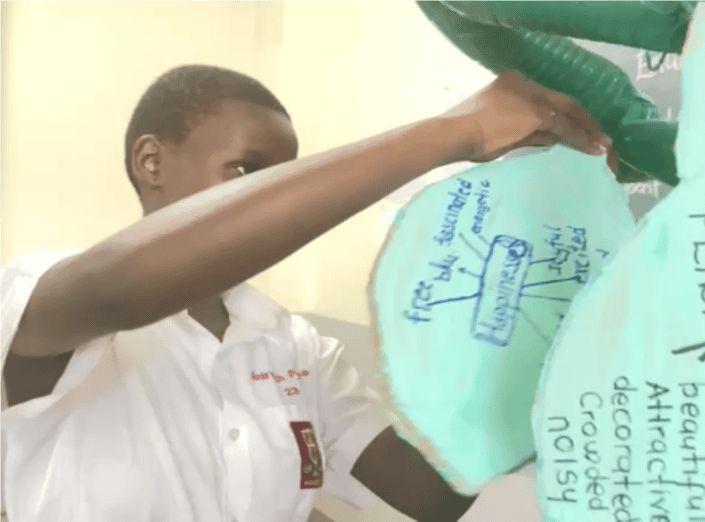
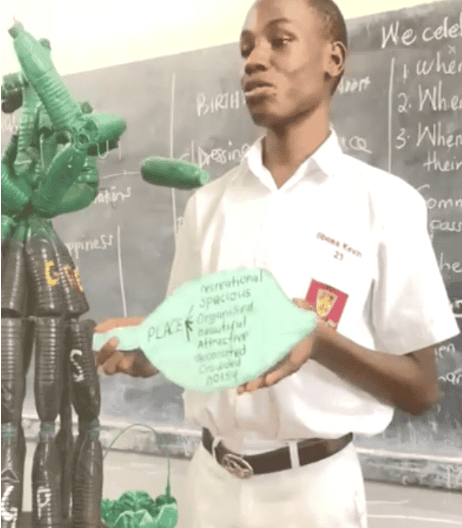
The innovation uses a visual and interactive “tree” method to encourage collaboration, creativity, and expression in writing. Students can focus their writing on all sorts of issues, including eon the environment and nature, which also improves their climate awareness and knowledge.
HOW IT WORKS:
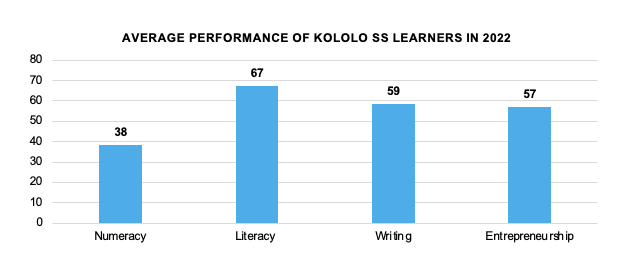
The Robot Tree has now been used for two years in five classrooms and the following improvements have been documented.

Download the story of this innovation in PDF form below.