15 Years
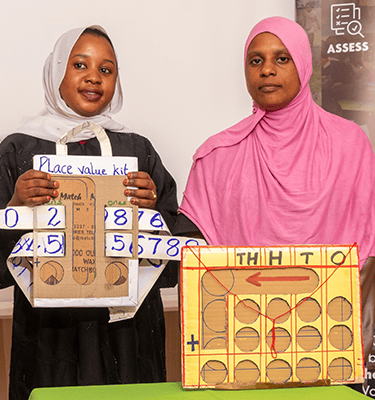
Teacher Innovator(s): Frankson Edwin Nyamwaka, Lucy Masinde
Learning Area
Leadership | Numeracy | Problem-Solving
How might we develop better teaching aids for numeracy to engage students better?
THE CONTEXT
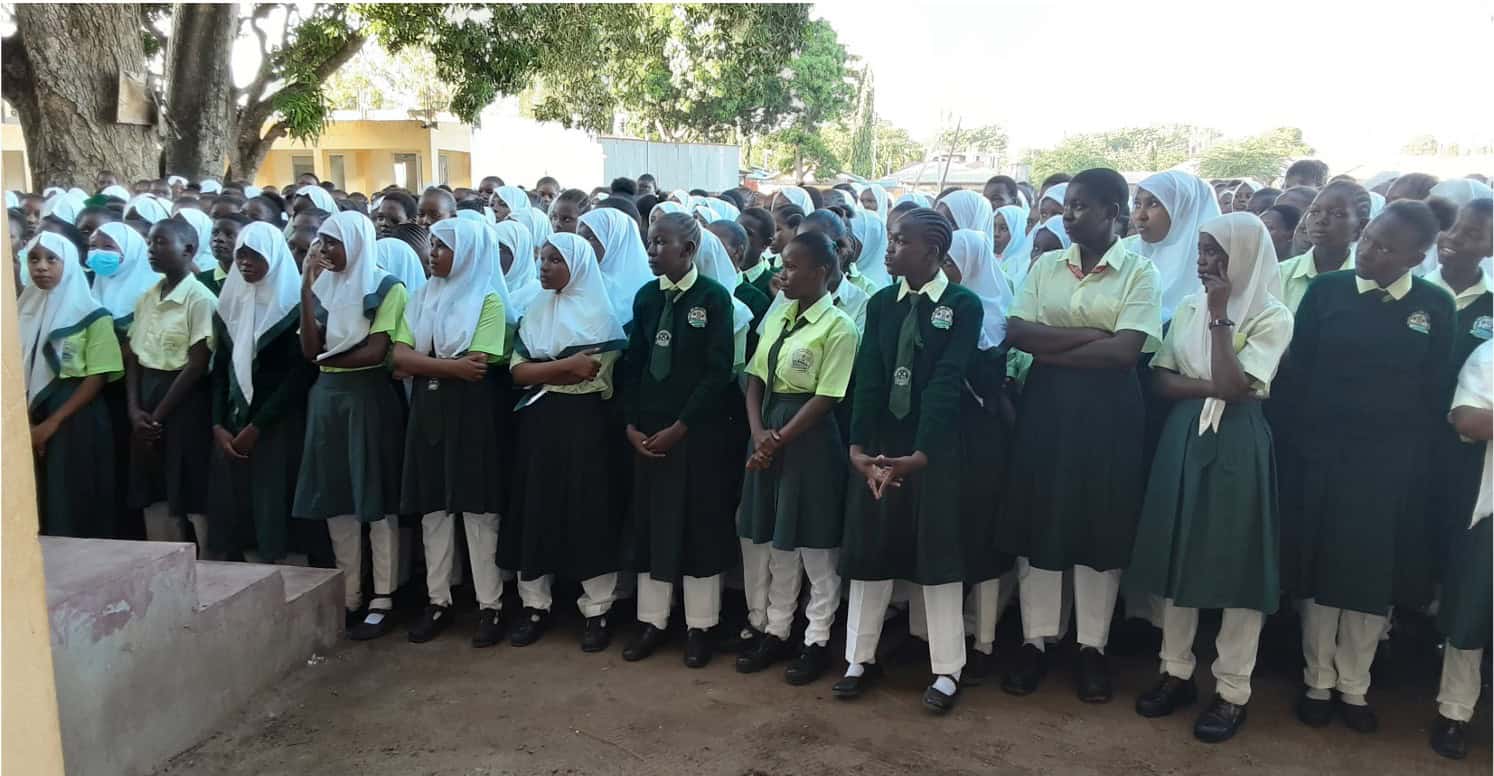
Hasan Joho Girls' Secondary School
Hassan Joho Girls Secondary School, located in Utange, Mombasa, has a total student population of 647, with 46 students in the current class. The school serves a community facing significant socio-economic challenges, where most families survive on low and unstable incomes. Many parents rely on informal employment or seek work abroad, particularly in domestic and casual labour in the Middle East, to provide for their families and support their children’s education.
THE CHALLENGE
How might we develop better teaching aids for numeracy to engage students better?
A review of student assessment data revealed that mathematics consistently scored lower than other subjects, indicating deeper issues with student understanding and engagement. Continuous assessments showed that many students struggled with core mathematical concepts, particularly abstract topics that lacked visual or relatable context.
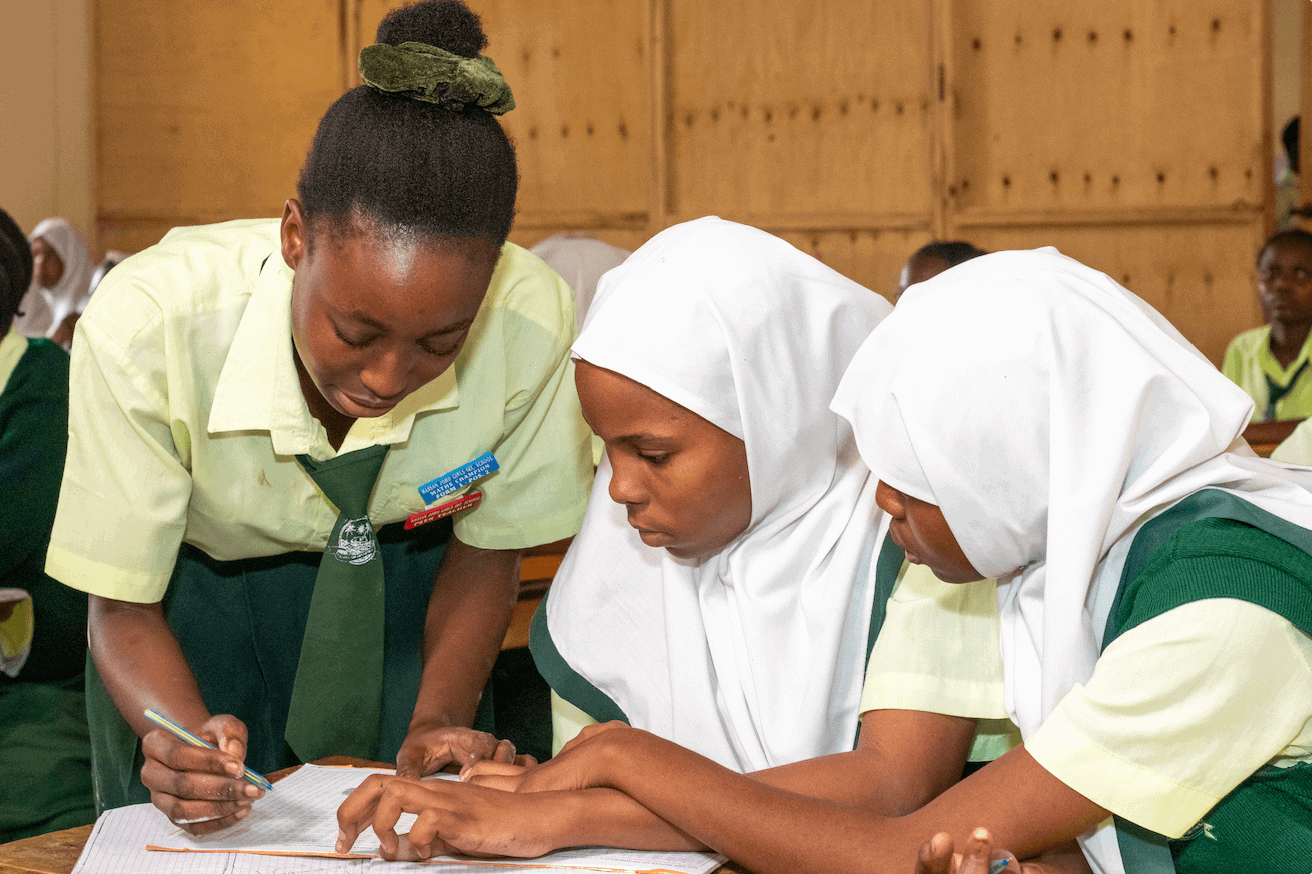
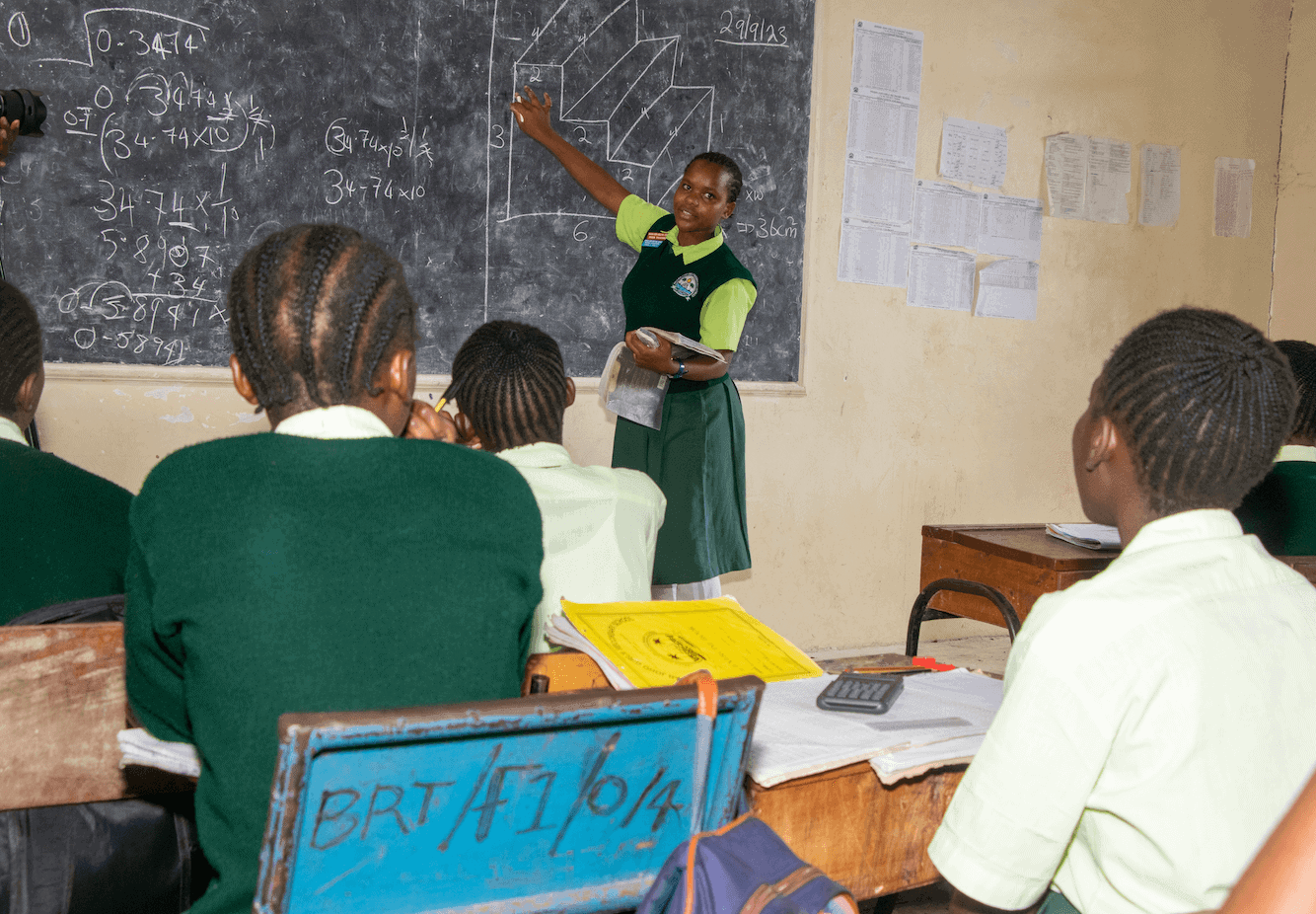
Observations and interviews with students and the wider school community further revealed a common sentiment – many learners felt disconnected from mathematics, often stating that it was hard to understand because they couldn’t “see what it means.” This perception made math feel irrelevant and unapproachable, reinforcing a lack of interest and poor performance. Regular classroom observations confirmed that students were significantly more engaged and performed better when lessons included visual aids and real-life examples, while abstract, theory-heavy sessions led to frustration and disengagement.
THE INNOVATION

Visual Aids in Numbers
Rooted in the belief that students understand best when they can see, touch, and relate to what they are learning, Visual Aids in Numbers transforms abstract mathematical concepts into concrete, engaging experiences.
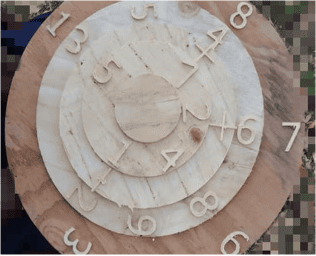
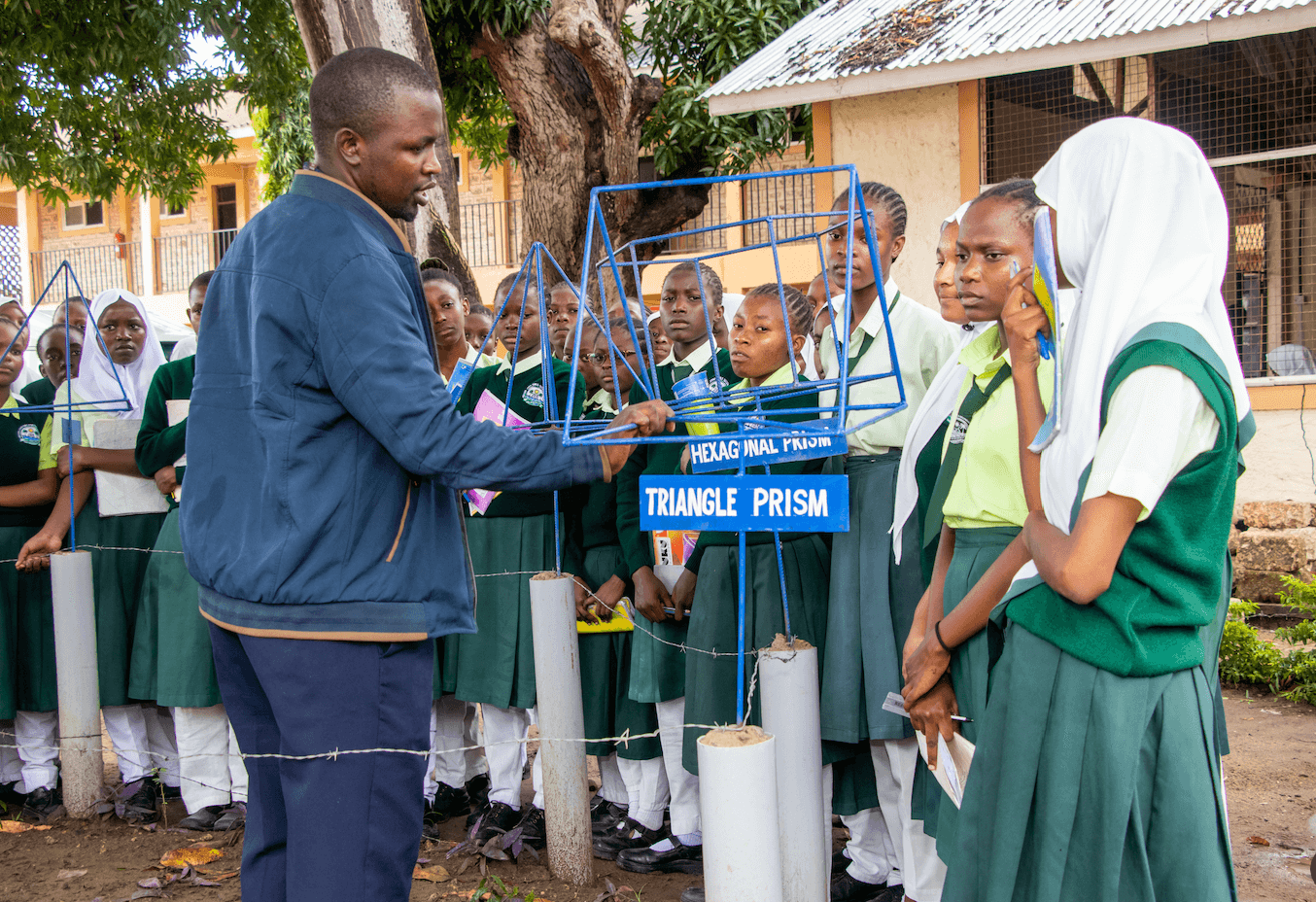
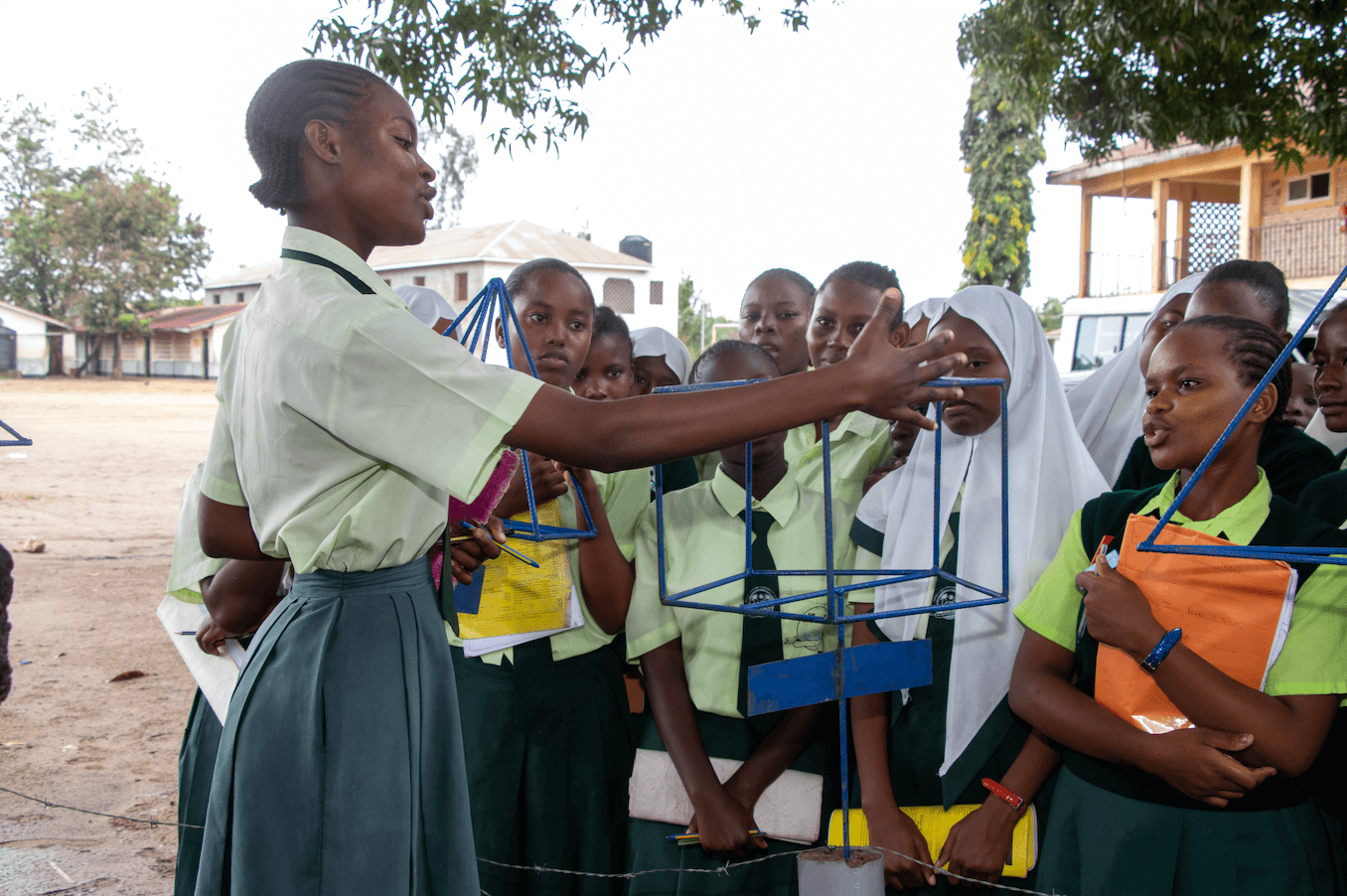
The topics identified for visual teaching aids are ones that students often find challenging, such as geometry, algebra, statistics, and linear equations. 3D models like cubes and pyramids are used to teach geometry, while manipulatives – physical objects that students use to understand complex concepts – help simplify algebraic expressions through hands-on learning. These tools are then integrated into daily lessons through interactive methods, including group problem-solving activities, hands-on model use, and student-led demonstrations. By actively engaging learners and making math more tangible, the innovation helps improve understanding, build confidence, and shift student attitudes toward the subject in a positive and lasting way.
THE IMPACT
More visual, practical, and accessible mathematics learning
Now in its third year of implementation, the Visual Aids in Numbers design has significantly transformed students’ attitudes toward mathematics by making learning more visual, practical, and accessible. It has helped demystify abstract concepts and foster greater student engagement and is now being used across three different year groups in the school.
Evidence from classroom assessments, term exams, and direct student feedback points to a clear improvement in both comprehension and academic performance in mathematics. Students not only demonstrate a stronger grasp of key concepts but also express greater confidence and enthusiasm in tackling mathematical problems. The continued success of the programme highlights its effectiveness in bridging gaps in understanding and nurturing a more positive, empowered learning environment.

RESOURCES
Download the story of this innovation in PDF form below.
Before we started using visual aids in class, I used to find math very difficult. But now, I can understand better because I can actually see what the teacher is explaining. It makes math more fun and less scary.
Anjelica, Student
Explore more innovations from Kenya