15 Years
Teacher Innovator(s): Nabila Atta
Learning Area
Building Confidence | Critical Thinking | Taking Responsibility
How might we support girls in remote communities to develop digital literacy skills?
THE CONTEXT

Government Girls' Higher Secondary School Garamchashma
Government Girls Higher Secondary School Garamchashma is located in the mountainous region of Lower Chitral, Khyber Pakhtunkhwa. The valley is highly vulnerable to natural disasters such as floods and earthquakes. Due to extremely cold winters, most families migrate to lower-altitude cities during winter and return in summer.
The community is diverse, with families from both relatively stable and very poor backgrounds. Most people depend on farming for their livelihood, and potatoes are the main agricultural product. Income from this crop supports household needs and children’s education. Life is challenging due to the harsh geographical conditions and community isolation; however, people are gradually becoming more aware of the importance of educating their children, though access and resources remain limited.
THE CHALLENGE
How might we support girls in remote communities to develop digital literacy skills?
Student assessments revealed persistent challenges in literacy and numeracy, with even greater gaps in digital literacy. Many students had minimal exposure to digital devices and lacked the confidence and skills required to navigate technology effectively.
A root cause analysis conducted through interviews with students, parents, and teachers identified several barriers: limited financial capacity to afford devices and internet access, fear of technology, misconceptions about appropriate age for digital exposure, negative social perceptions, particularly regarding girls’ use of technology, and limited encouragement from educators to promote digital innovation.
These findings highlighted the need not only for improved access to technology, but also for mindset shifts, structured guidance, and confidence-building opportunities.
THE INNOVATION
Improving Digital Literacy
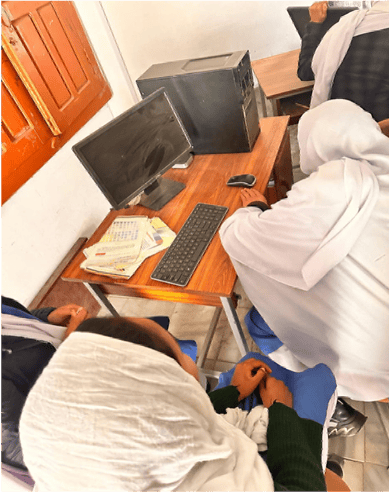
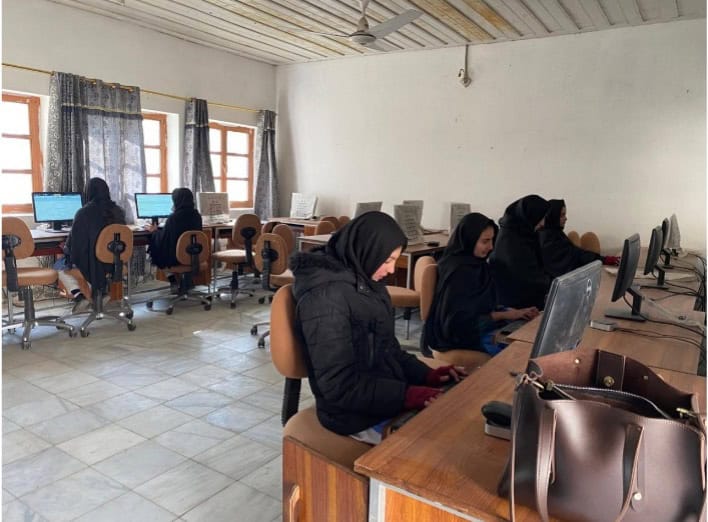
The initiative focused on transforming the traditional classroom into a structured digital learning environment. Digital devices such as tablets, smartphones, and computers were made regularly available for student use. Rather than introducing technology informally, a structured and age-appropriate digital literacy curriculum was implemented.
Students engaged in guided activities including:
- Basic computer operations
- Excel and document preparation
- Safe internet browsing
- Cybersecurity awareness
- Educational digital games
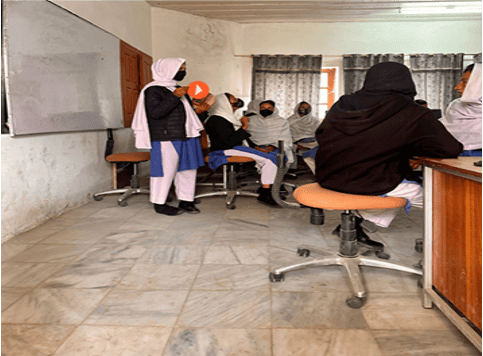
To make foundational concepts accessible, manual games and interactive classroom activities were developed to introduce the basics of computer language and digital logic in engaging, low-pressure ways. Over time, students gained hands-on experience, gradually overcoming technophobia and building competence. The approach prioritised safe, constructive, and purposeful digital engagement.
THE IMPACT
Built confidence and competence in digital tools
Over three years, a visible transformation occurred in students’ confidence and digital competence. Learners who initially hesitated to use digital devices began navigating platforms independently and participating in online spaces with assurance.
Students demonstrated increased awareness of online safety, including the ability to identify scams and misinformation. They began using digital tools productively, creating accounts, participating in online forums, and producing informative content. Notably, students created and shared videos promoting environmental care and community awareness about flood prevention—connecting digital literacy with civic engagement.
Teachers observed stronger self-efficacy, improved communication skills, and greater classroom participation. The initiative also helped challenge negative perceptions around girls’ use of technology, normalising their presence in digital spaces and encouraging responsible use.
Beyond student outcomes, the initiative marked a shift in instructional practice. Decision-making became more evidence-based and reflective, and digital integration became a sustained component of teaching rather than a one-time intervention.
RESOURCES
Download the story of this innovation.
Explore more innovations from Pakistan