10-15 Years
Teacher Innovator(s): Teachers at Lady of Mount Carmel School
Learning Area
Community Cohesion | Empathy | Leadership | Relationship Building | Respect for Diversity | Self Expression | Taking Responsibility
How might students lead efforts to build more inclusive and empathetic school communities?
THE CONTEXT
Lady of Mount Carmel School, aka 'Dream School'
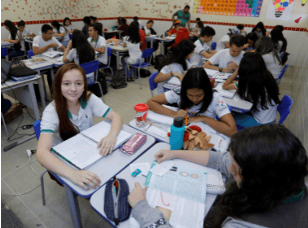
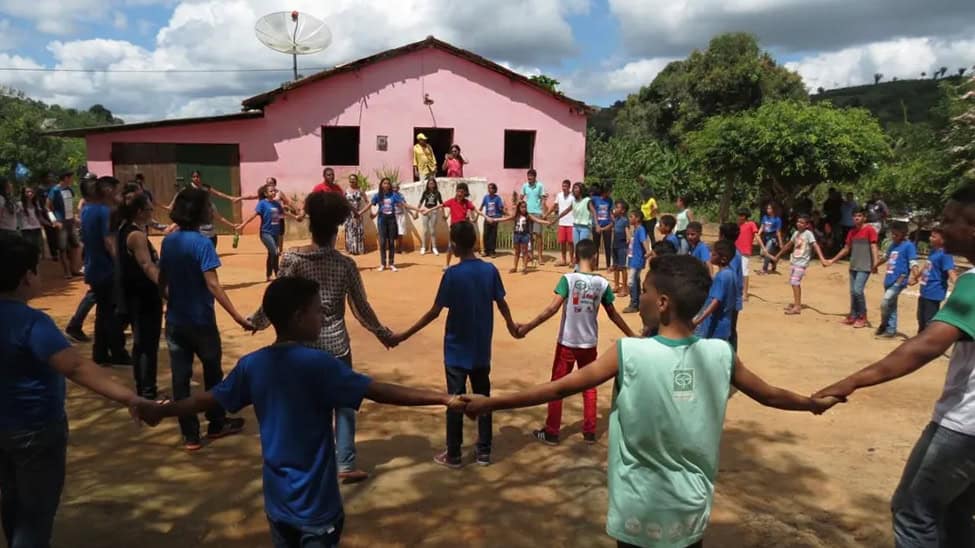
Our Lady of Mount Carmel School, known locally as Dream School, is located in the rural municipality of Bananeiras in the state of Paraíba, Brazil. The school serves approximately 234 students from surrounding rural and urban communities and is known for its participatory approach to education, emphasising student voice, collaboration, and holistic development.
Within the school community, educators aim to foster an inclusive environment where students develop not only academic skills but also empathy, agency, and a sense of responsibility for their community. Teachers and school leaders have worked to cultivate a culture where relationships and dialogue are central to the teaching and learning process.
THE CHALLENGE
How might students lead efforts to build more inclusive and empathetic school communities?
Despite the school’s strong emphasis on inclusion, students and teachers observed instances of prejudice, bullying, and social exclusion within daily school life, including interactions on school transport and within classrooms. These issues affected students’ sense of belonging and wellbeing and highlighted the need for more structured opportunities for dialogue and peer mediation.
The school recognised that traditional disciplinary approaches were not sufficient to address these challenges. Instead, students needed safe spaces where they could discuss conflicts, build empathy, and develop the skills necessary to support one another and contribute positively to their school environment.
THE INNOVATION
Student Equity Committee
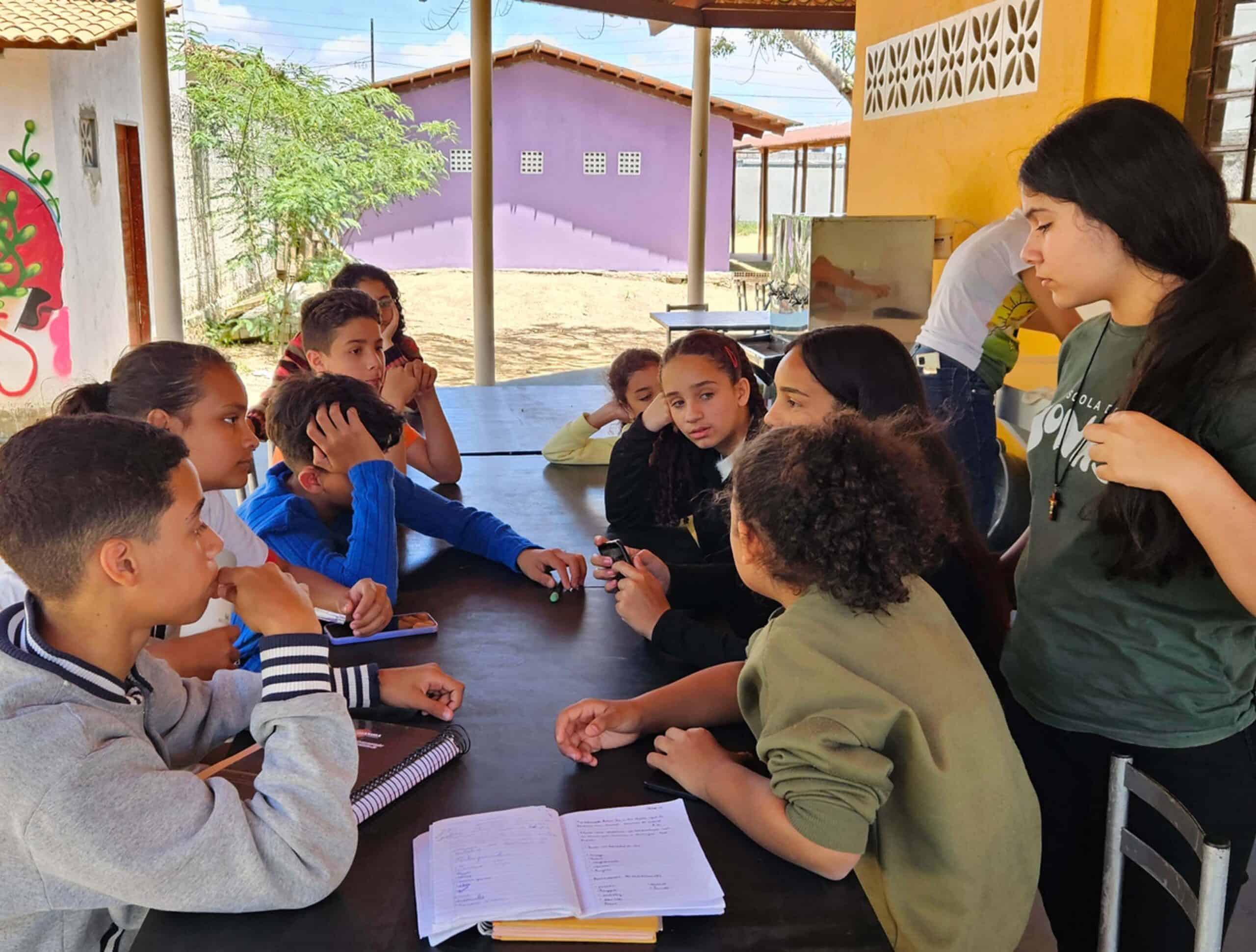
In response, the school established a student-led Equity Committee, composed of learners aged approximately 9–16. The committee was formed following a school-wide reflection process that encouraged students to identify areas where the school community could become more inclusive and supportive.
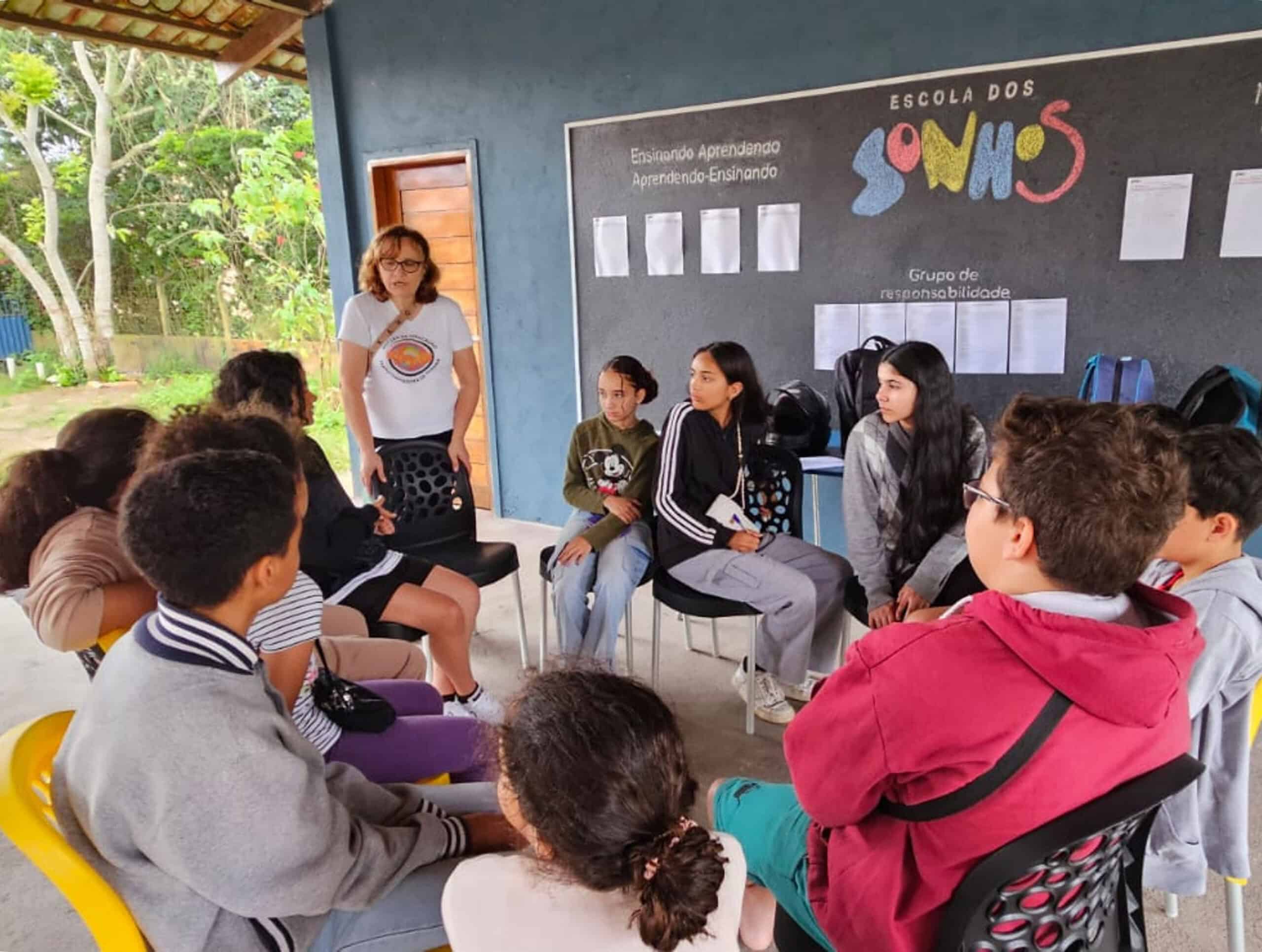
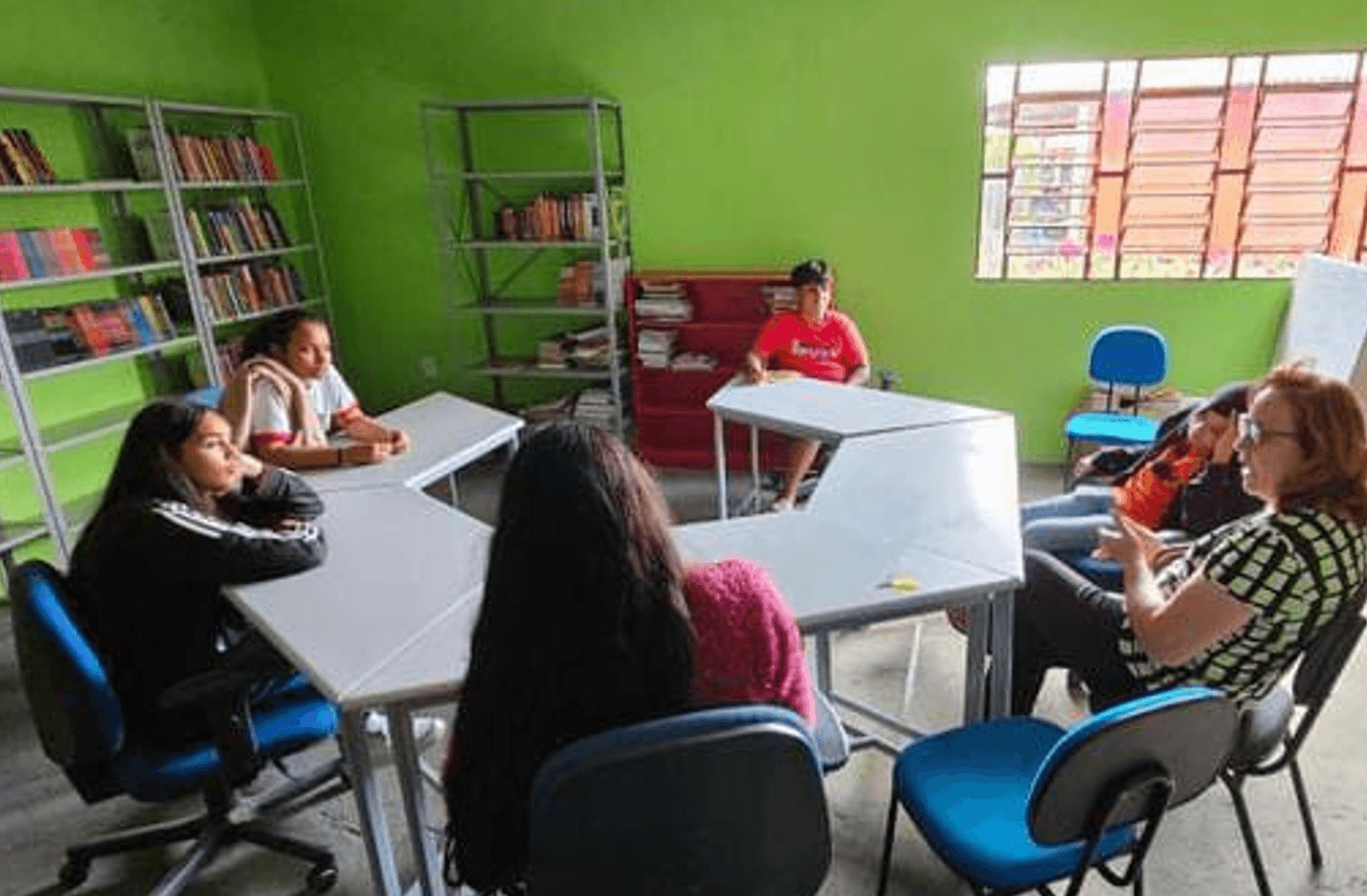
The committee meets regularly to discuss challenges within the school community and develop strategies to promote respect and inclusion. Activities include peer mediation sessions, mapping classmates who may need social or emotional support, organising gatherings that strengthen relationships among students, and maintaining reflection tools such as emotion diaries.
Through these activities, students actively participate in resolving conflicts and supporting peers. Teachers provide guidance when needed but largely position students as leaders of the process, encouraging them to take responsibility for shaping a positive school culture.
THE IMPACT
Improved student agency and sense of belonging
The Equity Committee has strengthened student agency and participation in decision-making within the school. Students have become more confident in identifying and addressing social issues, and many have taken active roles in mediating conflicts and supporting classmates experiencing difficulties.
Teachers and school leaders have observed improvements in communication, empathy, and collaboration among students. The initiative has helped create a stronger sense of belonging within the school community, while also demonstrating how student leadership can play a central role in promoting equity and wellbeing in education.
Beyond the school itself, the experience has contributed to broader professional learning and research among educators involved in the project, inspiring further exploration of student-led approaches to inclusive education.
RESOURCES
Download the story of this innovation in PDF form below.
Explore more innovations from Brazil