Portugal
10-15 Years
TerTuAli
How might we ensure the long-term sustainability of interactive spaces and ensure a culture of discussion and dialogue in lessons?

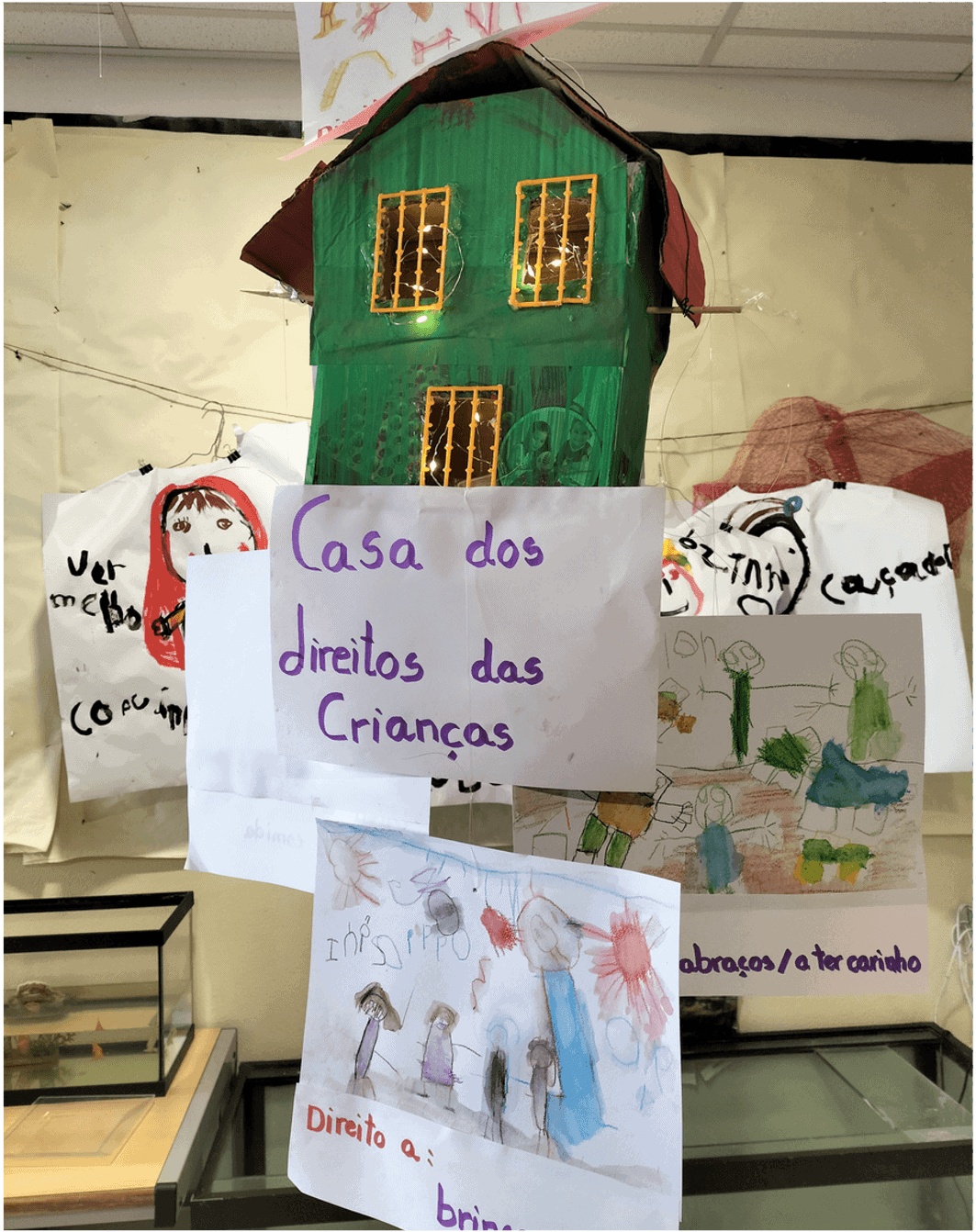
Leal da Câmara School Cluster (AELC), located in Rio de Mouro (Lisbon Metropolitan Area), serves over 3000 students. The community exhibits high population density, mobility, and diverse origins, impacting sociocultural adaptation. AELC’s student demographics reflect this, with 33% requiring social support and representation from 22 nationalities. Parental education varies, with only 9% holding degrees. Female-headed single-parent families are prevalent, and 40% of students receive support from the school’s social action team.
AELC aims to recover learning losses from the pandemic, promote collaboration, and develop citizenship, integrating emotions into learning. The school envisions a shift towards an open model, connecting with external institutions and employing differentiated pedagogy. Key priorities include reorganising time/space, teacher training, and addressing the lack of multifunctional areas. The vision is to cultivate a learning environment that fosters competence, critical thinking, values differences, and promotes democratic participation for sustainable development. The focus is on reinventing existing practices and addressing organisational hurdles amidst demographic mobility.
The team tackled two core challenges: improving student social skills and transforming outdoor spaces for learning. They aimed to enhance empathetic interactions among older students and create engaging, play-based outdoor environments for younger learners. The need for improved listening skills was supported by a University of Porto study. Observations highlighted the potential of outdoor environments. Activities were designed to give children opportunities to promote their social development in the outdoor spaces. The belief that teacher/staff should also be involved in developing outdoor learning strategies. Literacy promotion was an additional goal.
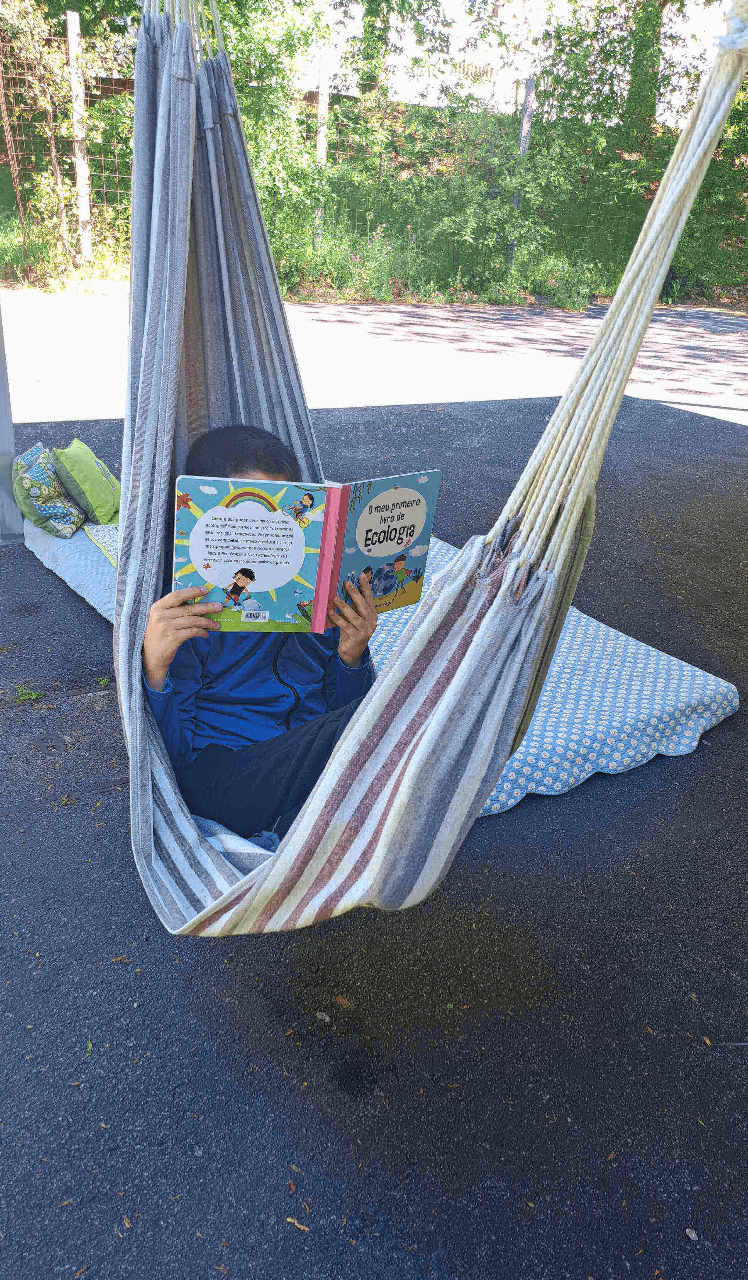
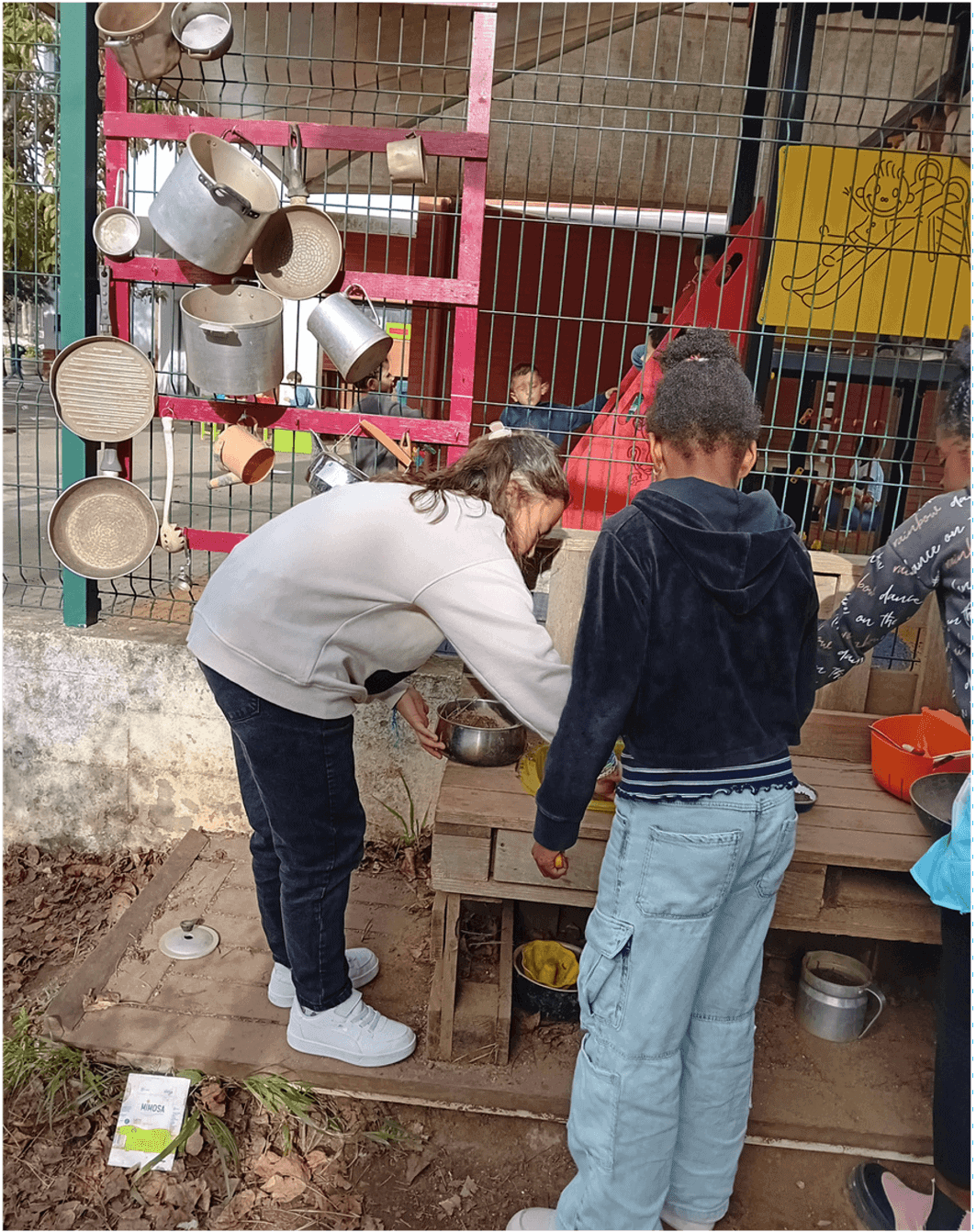
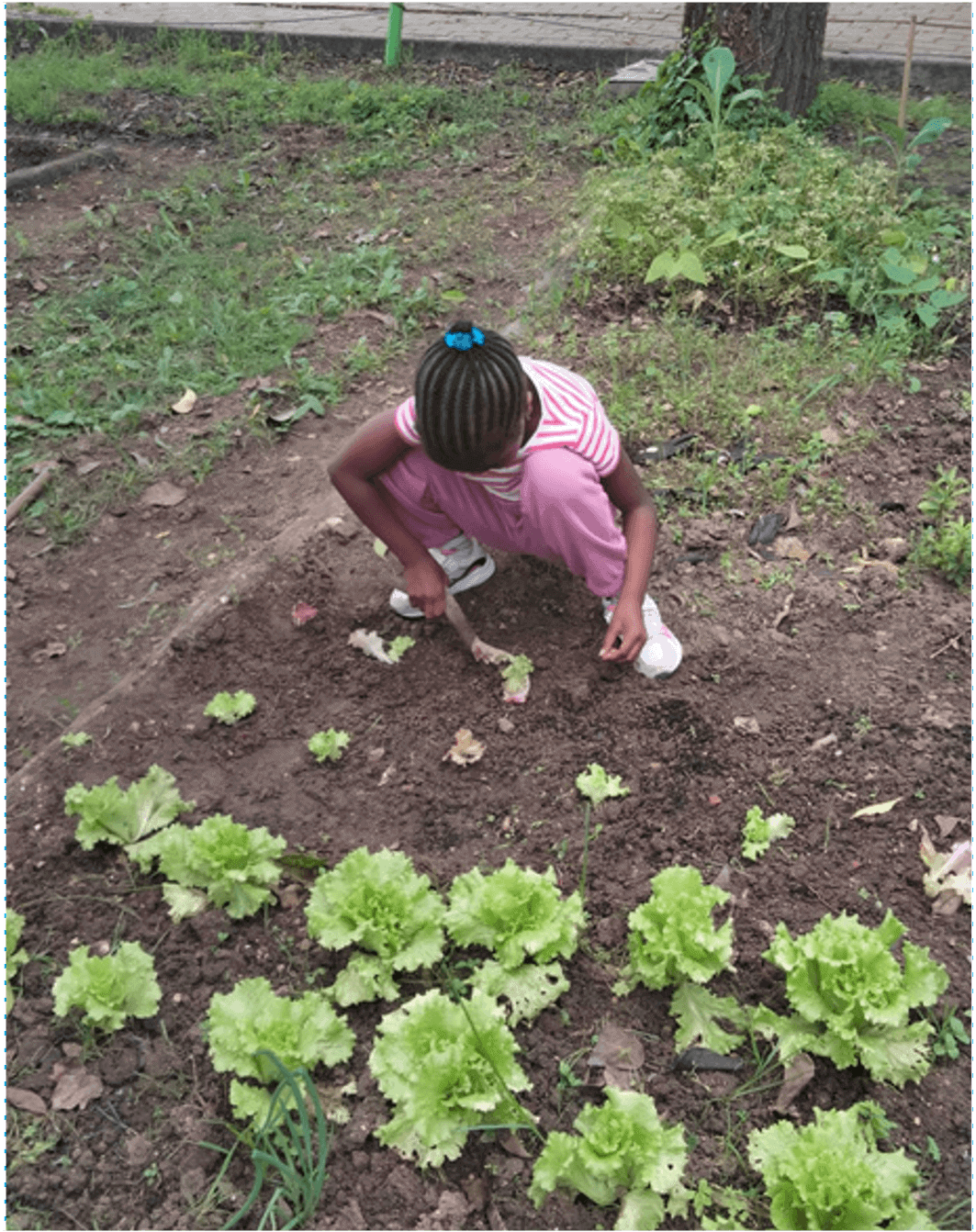
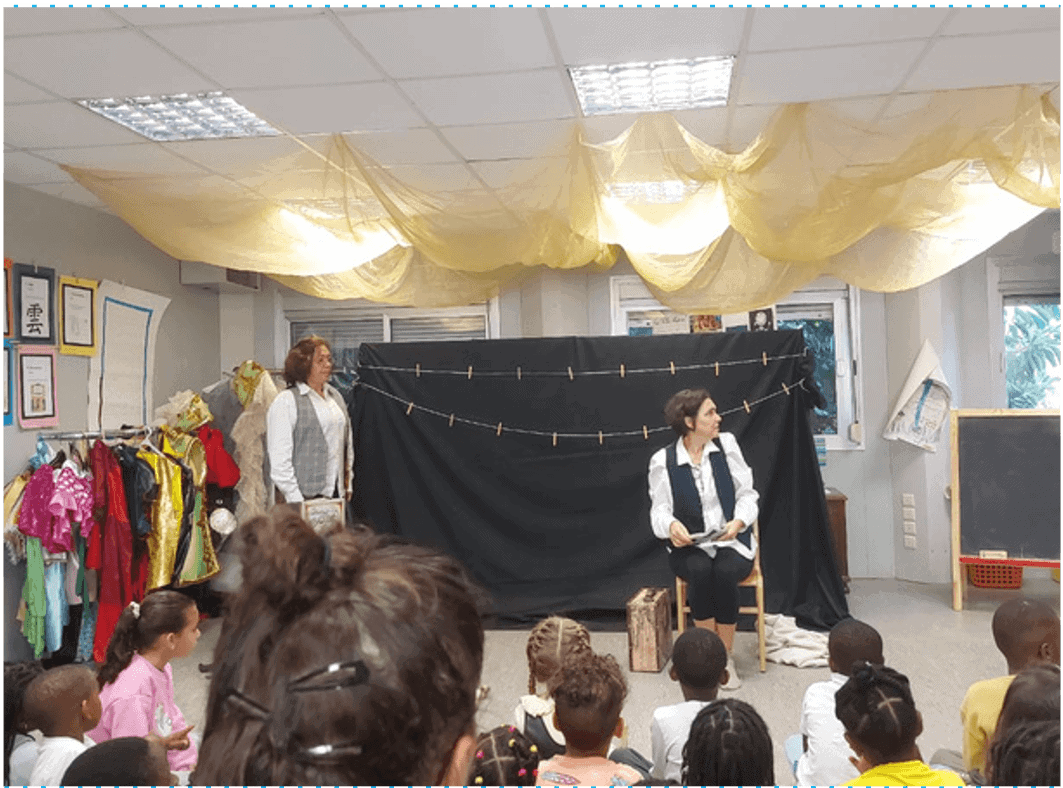
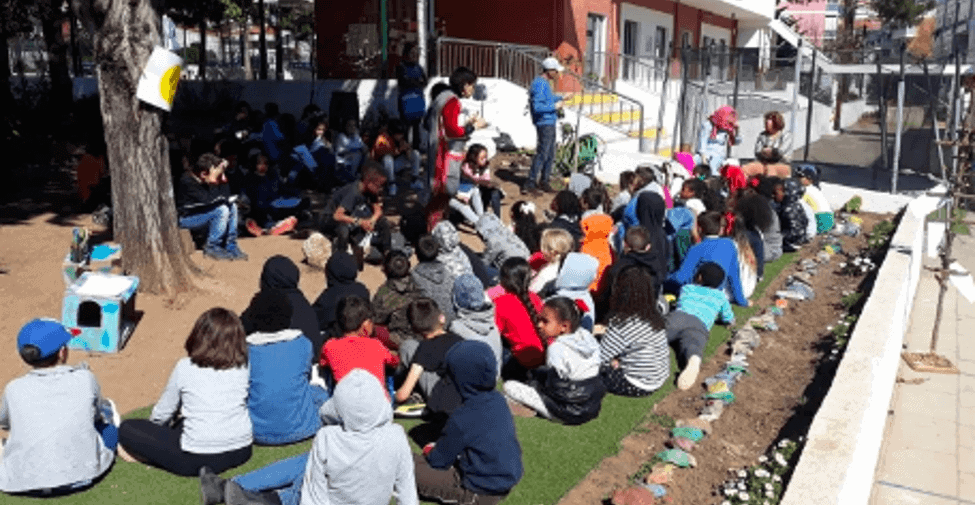
The solution operates across all age groups simultaneously, with each strand designed to meet learners where they are developmentally. For pre-school children, mud kitchens and sensory play areas have been created to foster early socio-emotional development and scientific curiosity through tactile, open-ended play. For primary-age learners, pedagogical gardens and outdoor libraries give students hands-on experience of sustainability, community, and literacy in a natural setting. For older students in the third cycle, school assemblies and tertúlias (structured dialogic discussion groups) provide regular practice in empathetic communication, critical thinking, and civic participation.
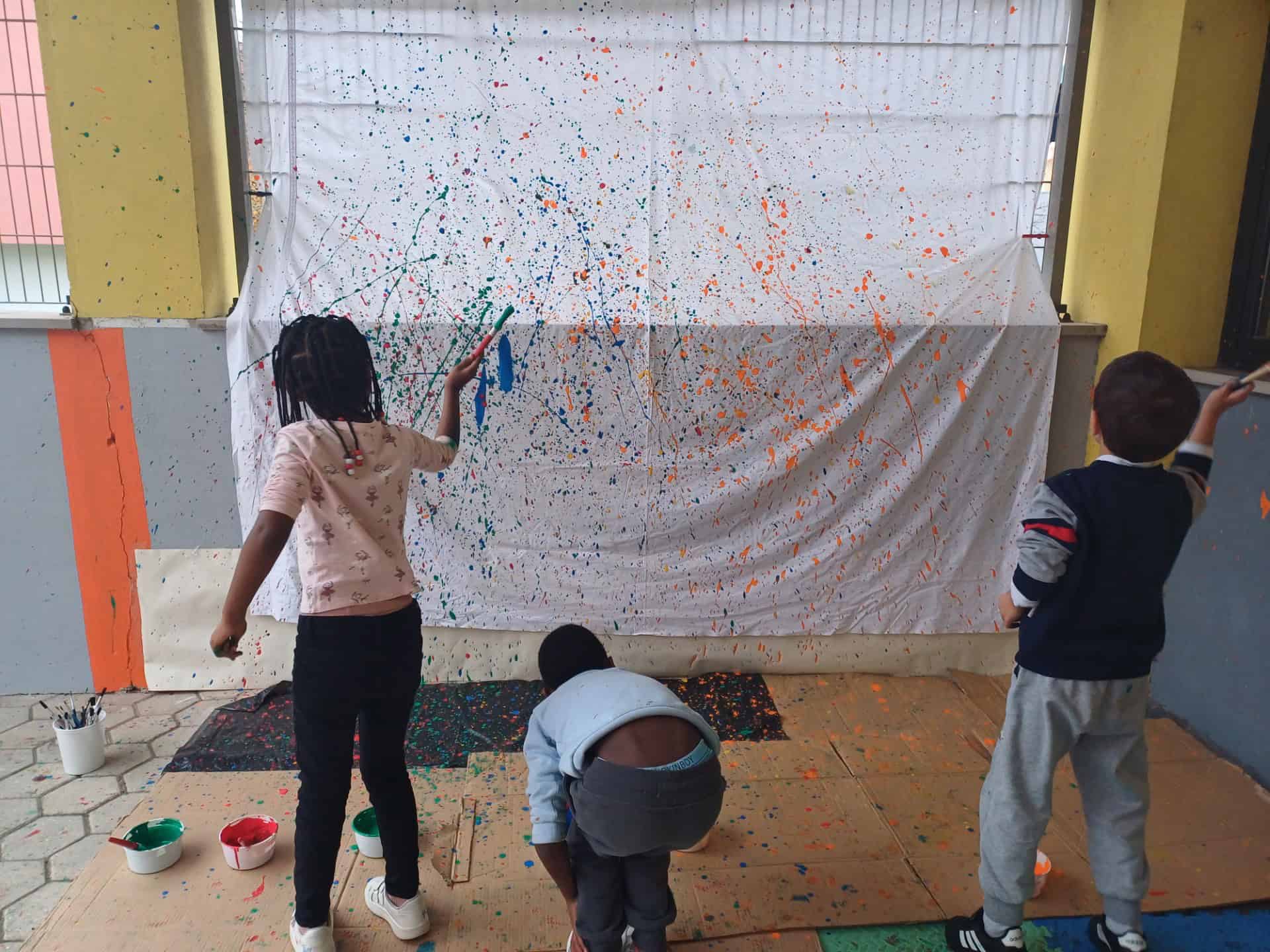
Across all strands, students have been involved in the design process itself, using recycled materials sourced through community partnerships to build and shape their own learning environments. Thematic conferences with external experts connect curriculum topics to real-world issues, and an action research approach means the initiative is continuously adapted based on student involvement and feedback. Initial staff reluctance was addressed through professional development and peer conferences, and flexible spatial designs have helped overcome the school’s limited outdoor footprint.
Over two school years (2022/23 and 2023/24), the initiative has reached 775 students across all age groups (317 pre-school, 407 primary, and 51 lower secondary). Students have developed stronger socio-emotional skills, greater engagement with outdoor and play-based learning, and improved capacities for empathetic communication and civic participation.
The design’ team, noting the need for greater staff engagement, used resources from a University of Porto study on listening skills to inform active participation strategies
Download this innovation as a PDF.