10 Years
Teacher Innovator(s): Jaqueline Figueiredo (School Principal), Marnie Marques (Action-Research Mobiliser)
Learning Area
Civic Engagement | Collaboration | Community Cohesion | Creativity | Respect for Diversity | Self Awareness | Self Expression
How might we celebrate Quilombola heritage amongst students?
THE CONTEXT
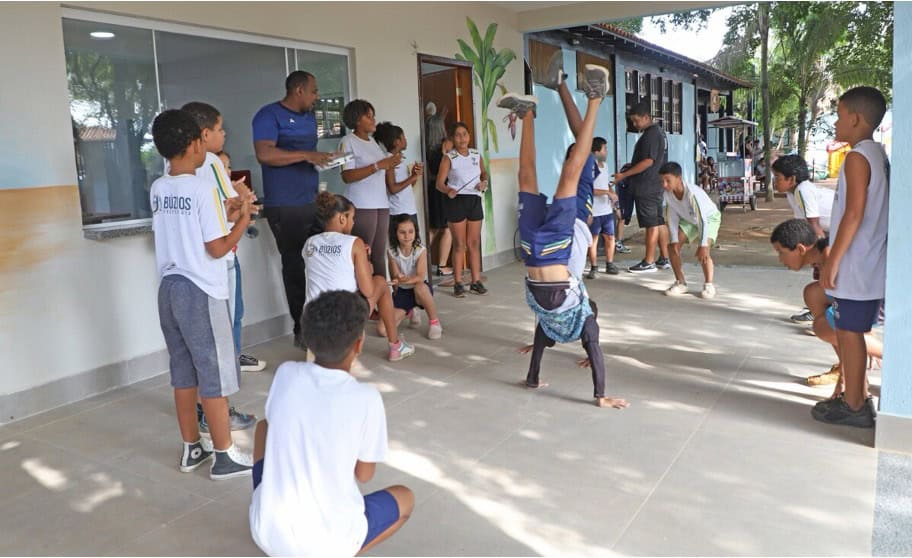
Professor Lydia Sherman Quilombola Municipal School, Armação dos Búzios, Rio de Janeiro
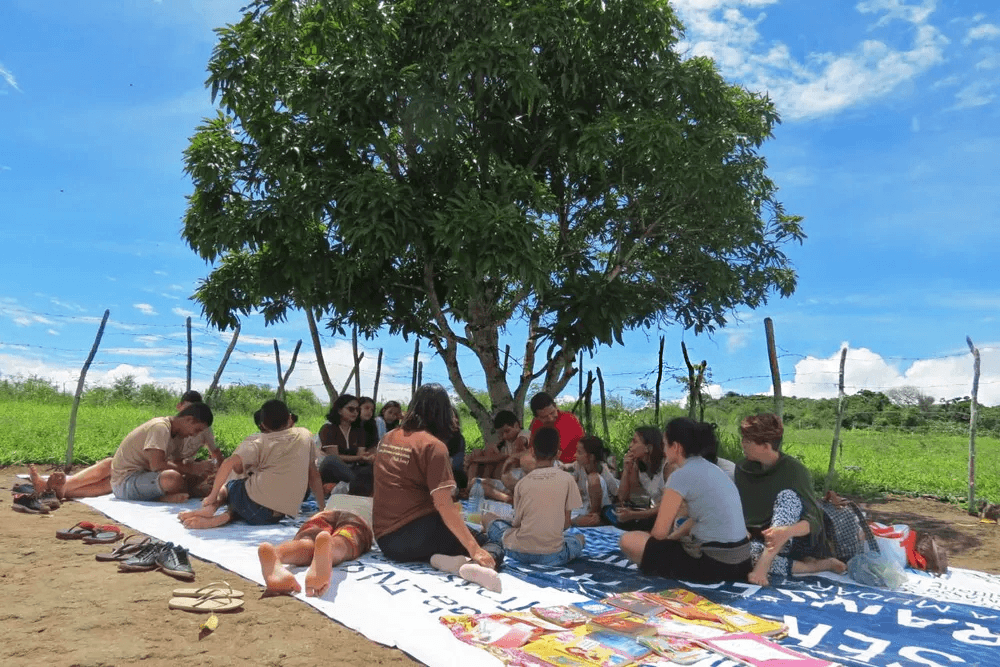
The Professor Lydia Sherman Quilombola Municipal School is an elementary school located in Armação dos Búzios, a municipality in the coastal region of the state of Rio de Janeiro, Brazil. Quilombola communities are descendants of Afro-Brazilian peoples who resisted slavery, forming settlements — known as quilombos — that have preserved distinct cultural traditions, languages, and ways of life for centuries. Serving around 150 students, the school welcomes children from three such communities as well as other neighbourhoods in the surrounding area. At its heart, the school is committed to preserving quilombola culture and fostering a sense of pride and belonging among its students.
The school is situated in a city renowned for its natural beauty, which attracts a substantial number of tourists each year. However, this visibility often masks deep social inequalities. The school’s primary educational challenges reflect both this broader social context and the specific needs of its community. A key priority is the promotion of anti-racist education that goes beyond discourse and translates into concrete, engaged practices — combating structural racism rooted in Brazil’s long history of slavery and affirming the value of Afro-Brazilian and Afro-diasporic history and culture.
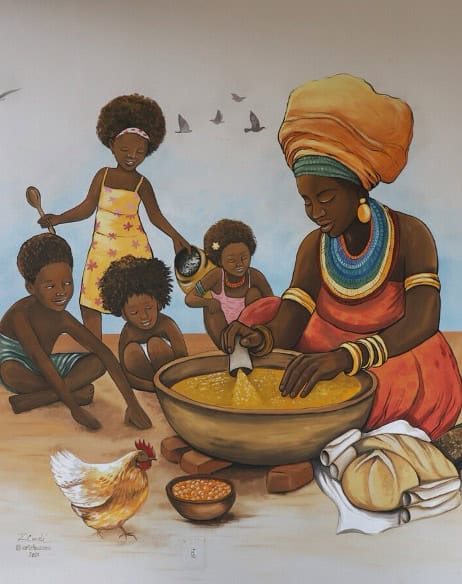
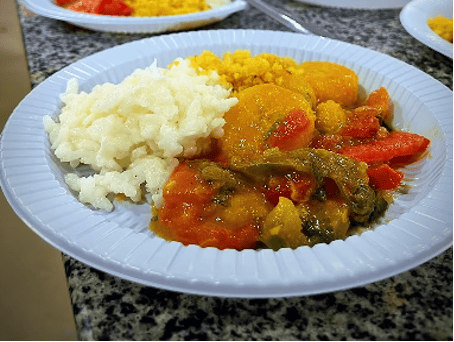
To address these challenges, the school has reimagined its entire pedagogical approach, from the relationships between people and the community, to the art on its walls, and the food served in its cafeteria, which includes produce from family farming. By using capoeira, visual arts, music, theatre, Adinkra symbols, and a school bakery, the school creates an environment where students can recognize themselves, celebrate their roots, and become changemakers in their own communities.
THE CHALLENGE

How might we celebrate Quilombola heritage amongst students?
The central challenge the school chose to focus on was addressing the specific instances of racism and the erasure of quilombola and Afro-Brazilian identity within the educational environment — a reflection of broader structural inequalities in Brazilian society. Within the school, this manifested in a lack of representation, in Eurocentric education standards going unquestioned, and in children struggling to recognize the value and strength of their own roots.
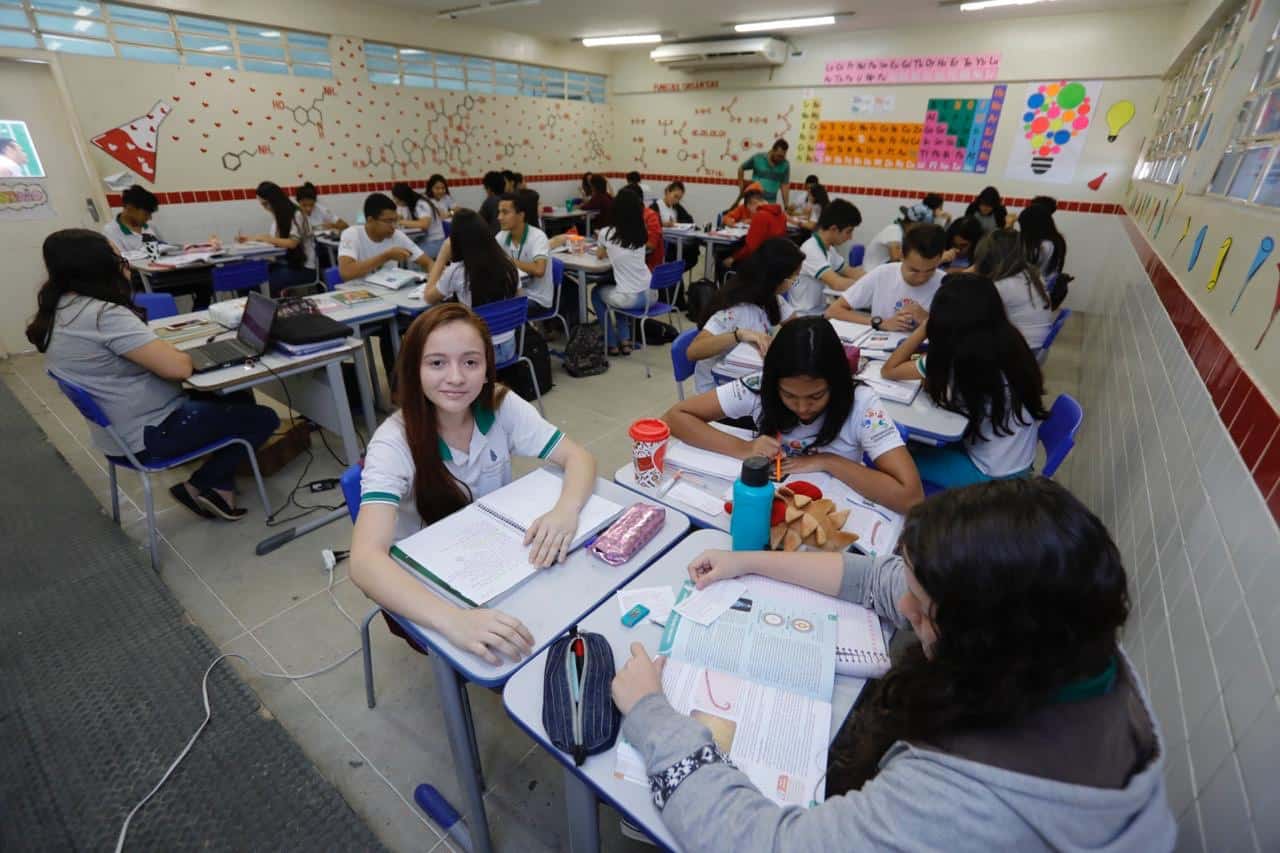
Direct and participatory observation in 4th and 5th grade classrooms revealed that students had limited engagement with Afro-Brazilian and Afro-diasporic history and culture, with significant gaps in students’ connection to their own cultural identity.
By embedding anti-racist practices into every dimension of school life, the school set out to ensure that students could see themselves reflected in their education and be proud of their quilombola heritage.
THE INNOVATION
Akoma School Bakery
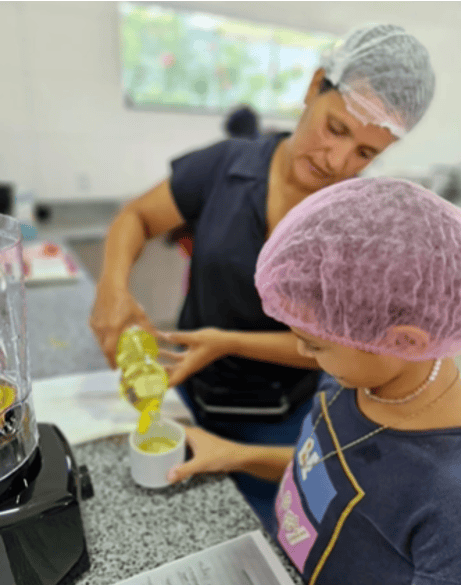
The Akoma School-Bakery was conceived as a pedagogical space for food production — a living space for cultural learning and identity-building. Named after the Adinkra symbol for love, the Akoma bakery is rooted in the conviction that food is not a minor detail, but an element of interaction, celebration, and self-recognition. When students can see their own identity reflected in what they eat and produce, food nourishes both the body and the sense of self.
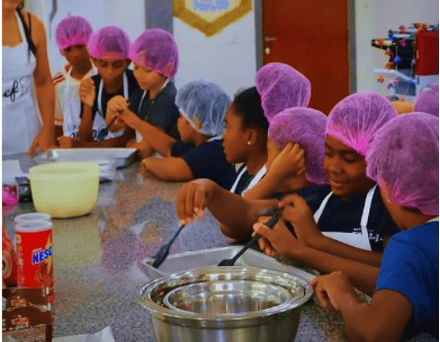
Students participate in interactive workshop sessions held in the bakery space, where they learn to prepare breads, sweets, and biscuits using ingredients and recipes drawn from quilombola culinary traditions. The knowledge shared in these workshops makes the school itself a site where local, living knowledge is honored and transmitted. The Akoma School-Bakery has, in its original design, the goal that students not only consume what they produce, but they are also encouraged to take the food home to share with their families, extending the learning beyond the school walls and strengthening the connection between the institution and the community.
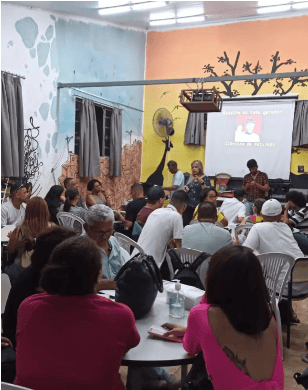
The Akoma bakery also functions as a broader knowledge-production space: it hosts conversation circles and serves as a hub for exchanges with other schools in the municipality and other states, inviting them to participate in quilombola cultural workshops. This outward-facing dimension reinforces the school’s role as a cultural reference point for the wider community.
THE IMPACT
Strengthened cultural identity, racial awareness, and community connection among students
The Akoma School Bakery has been part of the pedagogical life of the Professor Lydia Sherman Quilombola Municipal School since 2024. The action-research project measured the racial awareness, empathy and the appreciation of cultural diversity among students, and the results have been pointing in a promising direction: when schools incorporate anti-racist education as a cross-cutting element to the whole school practice, students demonstrated curiosity, active participation, and genuine engagement with activities related to Afro-Brazilian and quilombola history and culture. The action-research also documented concrete outcomes, including the inclusion of new anti-racist pedagogical practices in everyday school life, the strengthening of student agency, and the opening of dialogue spaces between educators, students, and the wider school community around identity, diversity, and racial equity.
The reach of the Akoma bakery has also extended beyond the school’s walls. By welcoming the community for conversation circles, the Akoma bakery serves as a space for knowledge production and exchange.
RESOURCES
Download the story of this innovation in PDF form below.
Explore more innovations from Brazil