10 Years
Teacher Innovator(s): Esmatullah Sirat
Learning Area
Collaboration | Literacy | Numeracy | Problem-Solving | Science
How might we engage learners through meaningful, collaborative activities?
THE CONTEXT
Bamsarai High School
Bamsarai High School is located in the village of Bamsarai Foladi, around 12 km south of Bamyan centre. The surrounding valley is home to approximately 5,000 people, most of whom work long hours in agriculture and spend much of the day away from home. Limited adult literacy and parents’ demanding schedules mean children receive very little academic support outside school.
The school serves 215 girls, including the 37 fourth-grade learners involved in this innovation. Resource constraints, limited learning materials, and heavy household responsibilities for students create additional pressures. Many learners spend afternoons caring for siblings or completing domestic chores, reducing study time and motivation. Teachers also rely heavily on teacher-centred, lecture-based lessons, leaving students passive and disengaged.
THE CHALLENGE
How might we engage learners through meaningful, collaborative activities?
Early assessments, interviews, and classroom observations revealed that Grade 4 learners faced multiple barriers to effective learning. Many students struggled with core literacy skills such as reading fluency, comprehension, and writing, while also showing gaps in numeracy, particularly in understanding sequences, geometry, and basic problem-solving. Exposure to science and arts activities was also limited.
These academic challenges were compounded by social and environmental factors: children spent much of their time outside school caring for siblings or helping with domestic work, leaving little time for study. Parents, many of whom had limited formal education, lacked confidence in supporting their children and had minimal engagement with the school. At the same time, teachers relied heavily on lecture-based instruction, which left learners passive, disengaged, and easily fatigued. As one teacher noted, the traditional approach “was exhausting for both the teacher and the students.” The need for a more interactive, student-centred model of teaching and learning became increasingly clear.
THE INNOVATION
Collaborative Learning
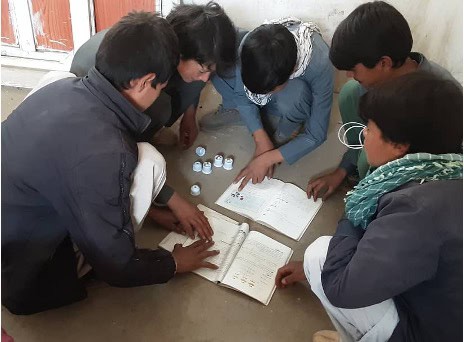
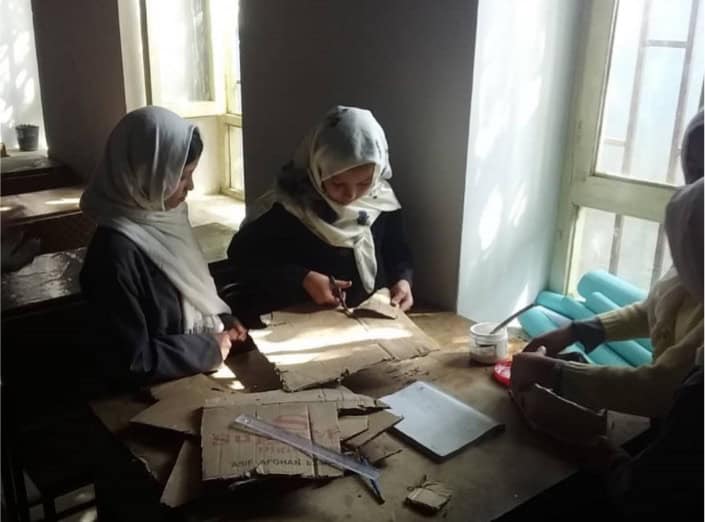
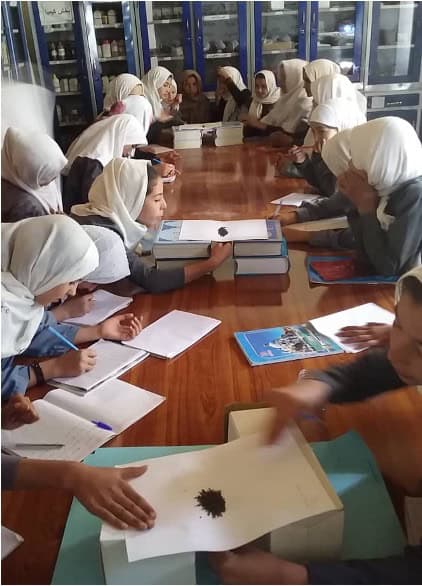
The design team introduced a student-centred, participatory learning model in Grade 4. Teachers adopted the role of facilitators rather than lecturers, using group activities, pair work, role-play, and hands-on projects to engage every learner.
Key features included:
- Group and pair activities to replace lecture-based instruction
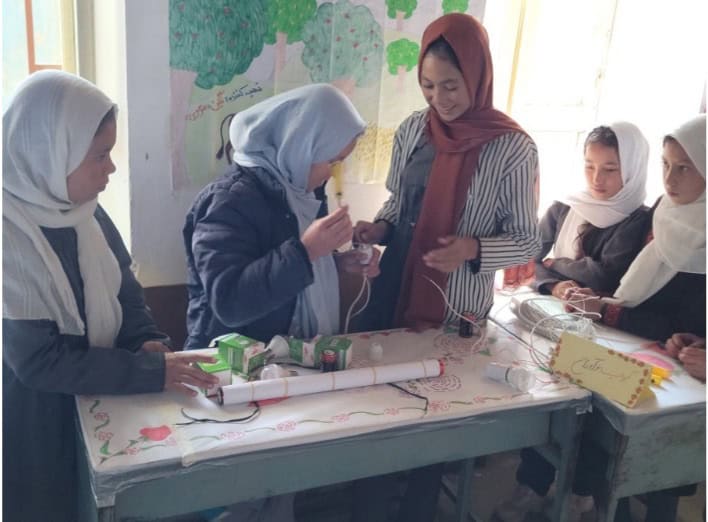
- Hands-on experiments, such as building electrical models and using magnets in simple scientific investigations
- Classroom projects involving educational materials and collaborative construction
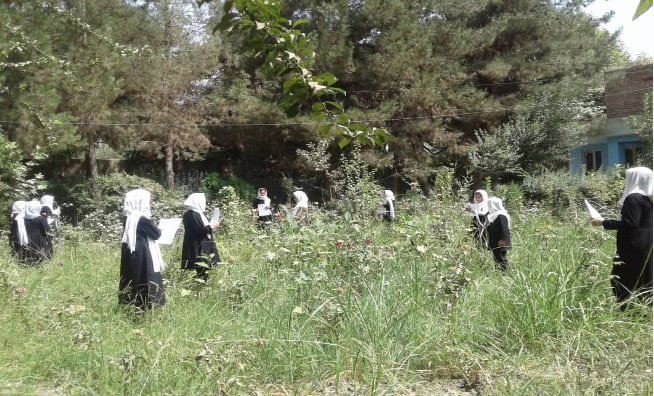
- Extracurricular learning, including practical work in the school garden
- Observation journals, where learners documented plant growth and shared findings with the class
These practices helped learners connect lessons to real-life experiences and made classes more meaningful, active, and enjoyable.
THE IMPACT
Strengthened academic skills with active, student-centred learning
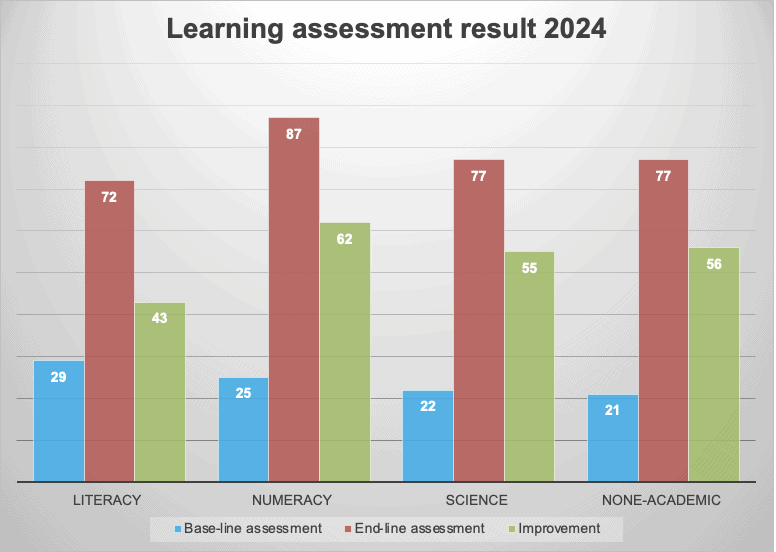
The shift to collaborative learning produced visible improvements across the classroom and wider school community. Learners became more motivated and enthusiastic, and absenteeism dropped as lessons grew more engaging. Teachers observed that students interacted more positively with one another, developing stronger communication, cooperation, and peer support. Academic performance improved, with learners demonstrating clearer gains in literacy, numeracy, and basic science through hands-on projects, experiments, and group activities.
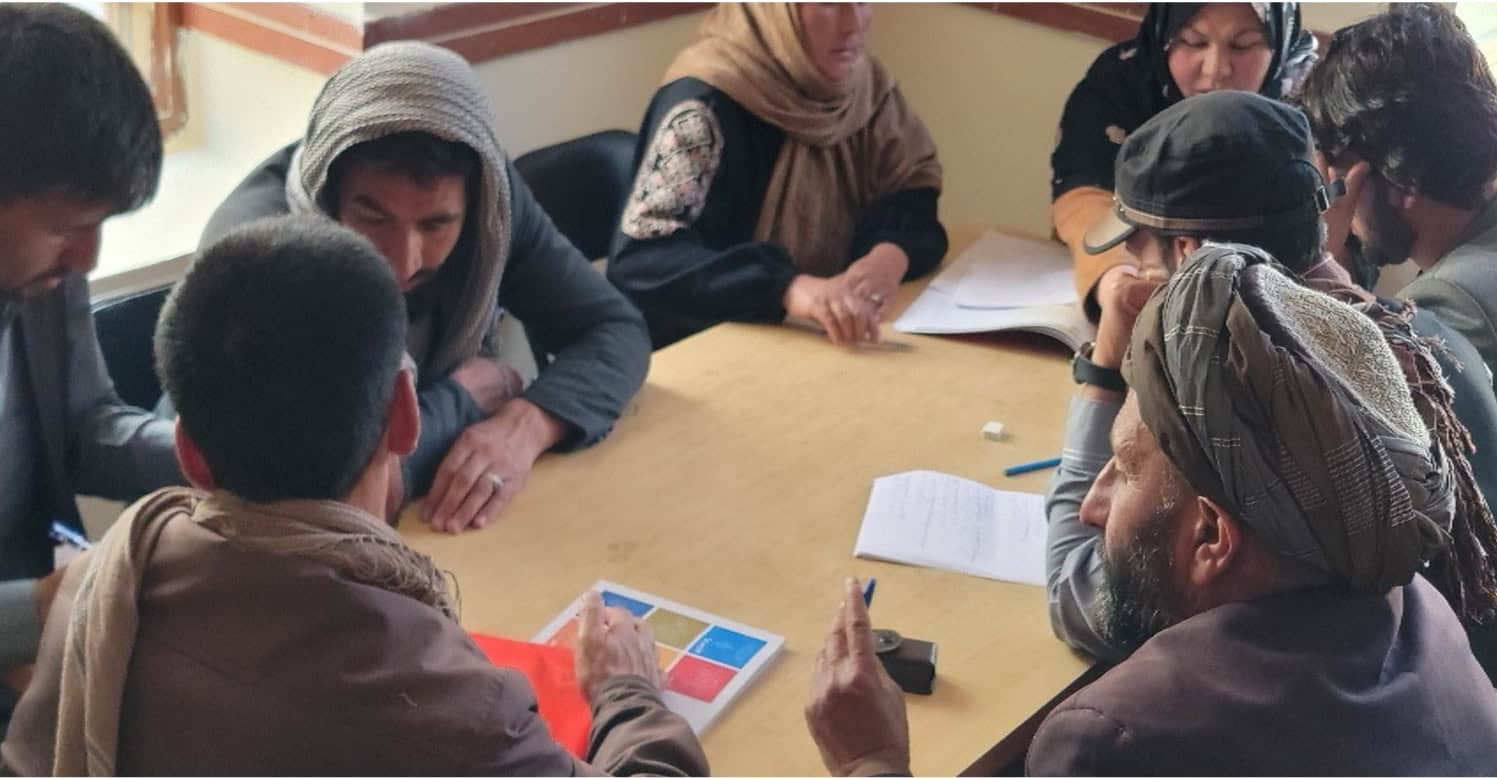
Parents also grew more confident in the school, visiting more frequently and expressing pride in their children’s progress; several noted that Grade 4 students were now outperforming older siblings. Teachers reported greater creativity, independence, and problem-solving in class, as well as improved classroom behaviour and stronger relationships among students. Overall, the innovation helped establish a more active, supportive, and learner-centred school culture.
RESOURCES
Download the story of this innovation in PDF form below.
Explore more innovations from Afghanistan