15 Years
Teacher Innovator(s): Elton Luz, José Jocélio, Thiago Amorim, Janayna
Learning Area
Collaboration | Creativity | Empathy | Leadership | Self Awareness
How Might We Empower Youth to Lead Change in their Territories and Prevent Forced Migration?
THE CONTEXT
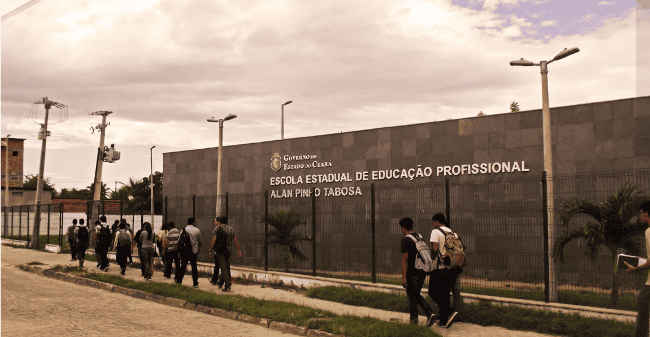
Alan Pinho Tabosa State School of Professional Education
The Alan Pinho Tabosa State School of Professional Education (EEEP Alan Pinho Tabosa) is a public, full-time vocational high school located in Pentecoste, a municipality in Brazil’s semi-arid Northeast. Serving over five hundred students across twelve classes, the school offers one academic program (full-time high school) and five vocational programs: Agroindustry, Aquaculture, Informatics, Computer Networks, and Chemistry. The majority of students come from rural communities in Pentecoste and neighboring towns like Apuiarés and General Sampaio, where economic instability often limits access to educational and professional opportunities. The school primarily supports youth from low-income families reliant on farming, fishing, or informal labor in a region affected by drought, economic instability, and forced migration.
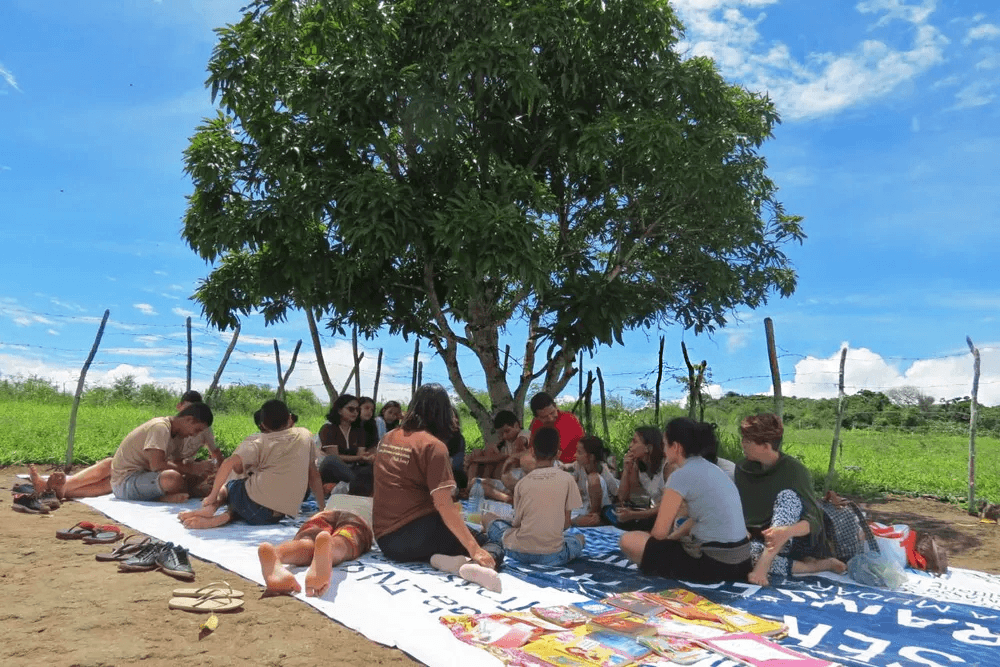
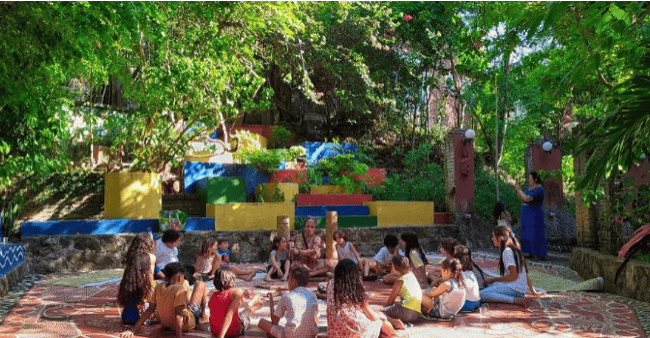
Founded in 2011 through a partnership between the Ceará State Secretariat of Education and the Federal University of Ceará, the school aims to transform educational access for rural and marginalized youth while empowering them to address local challenges. At its core is the PRECE methodology (Program of Education in Cooperative Cells), which fosters cooperative and solidarity-driven learning. Students work in small peer-led groups (cells), engaging in collaborative problem-solving, peer teaching, and developing socio-emotional competencies such as empathy, leadership, and collaboration.
By integrating vocational training with leadership development and community-driven projects, the school equips students to become local changemakers. Alumni apply their skills in initiatives like sustainable farming and tutoring programs, directly tackling regional issues while demonstrating resilience, teamwork, and social responsibility.
THE CHALLENGE
How Might We Empower Youth to Lead Change in their Territories and Prevent Forced Migration?
The challenge stems from the region’s socio-economic landscape: rural, low-income families reliant on unstable jobs, a history of youth migration to urban centres for precarious work, and a fragile local economy. Assessments and interviews revealed that many incoming students have significant educational gaps and an individualistic mindset, limiting their ability to collaborate and engage with their communities.
By fostering leadership skills and cooperative values, the program empowers students to tackle local challenges, envision sustainable futures in their communities, and reduce the pressures driving migration.
THE INNOVATION
Cooperative and Solidary Learning
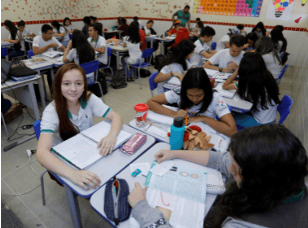
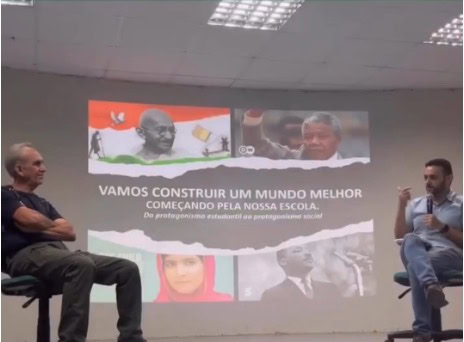
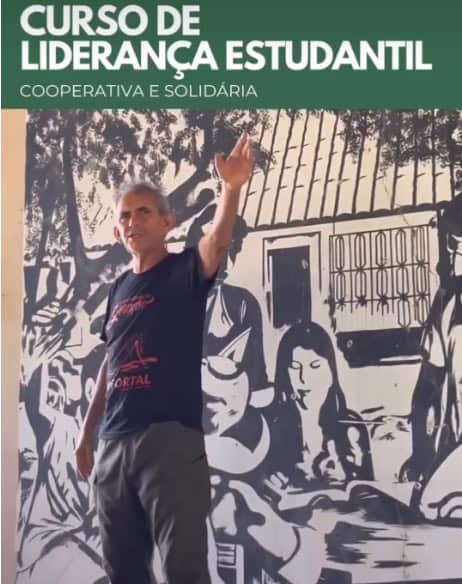
The Cooperative and Solidary Learning is a pedagogical practice that cultivates key competencies such as empathy, collaboration, leadership, and indirectly, self-awareness and creativity in high school students (ages 15+). At the start of the academic year, students participate in an immersive leadership course covering themes such as empathy, interdependence, conflict resolution, and communication. This foundation shifts students from a competitive, individualistic learning model to a cooperative, solidarity-based framework, empowering them with agency and responsibility.
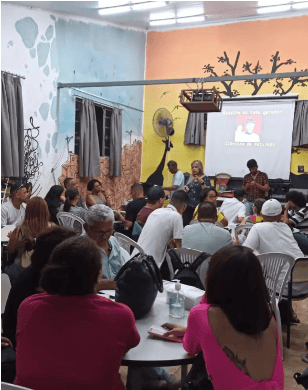
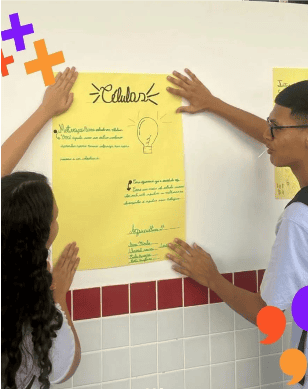
Throughout the year, students work in three-member learning cells, engaging in structured activities such as concise lectures, individual assignments, collective goal-setting, and reflective discussions. Teachers act as facilitators, guiding rather than directing the learning process. Each class begins with a cooperation contract that outlines roles and responsibilities and concludes with a group reflection session to assess progress and reinforce accountability. The role of Cell Coordinator further strengthens student leadership within the groups and school projects.
Challenges included initial resistance to cooperative learning, which was addressed through teacher training and student workshops. To reinforce collaboration and solidarity, the school integrates personal storytelling as one of the activities in the student leadership course, fostering empathy and stronger interpersonal connections.
THE IMPACT
Inspiring Youth to Lead, Unite, and Transform their Communities
This solution has been in place at Alan Pinho Tabosa School since 2011 and became the focus of an action research project under Schools2030 in 2023.
Assessments show higher student engagement, improved academic and cooperative performance, and stronger leadership skills. Many graduates have pursued higher education and now work in their communities
Implemented across all classrooms, the methodology has also trained over 1,000 teachers in Ceará and serves as a statewide model for teacher and student training. Its success has led the Brazilian Ministry of Education to develop a national program inspired by PRECE to enhance public education.
RESOURCES
Download the story of this innovation in PDF form below.
Cooperative learning has greatly contributed to my education and personal growth. Today, I feel like a more empathetic and compassionate person, with an incredible willingness to help others.
Monica Mota, Student
Explore more innovations from Brazil