15 Years
Teacher Innovator(s): Kamula Kamula, Fredrick Ochieng, James Bosire, Solomon Kavoi, Jonathan Ngereza, John Osudu
Learning Area
Arts and Culture | Collaboration | Communication | Creativity | Literacy | Self Expression
How might we redesign classroom environments to improve collaboration, motivation, and effective learning for all students?


THE CONTEXT

Faza Secondary School and Patte Girls’ Secondary School
Faza Secondary School and Patte Girls’ Secondary School are located in the coastal town of Lamu, where the surrounding community is predominantly Bajuni-speaking and largely dependent on traditional fishing for livelihoods. While the region is rich in cultural and environmental resources linked to the blue economy, schools face ongoing challenges related to student motivation, limited exposure to innovative learning approaches, and the need to strengthen the value placed on education within the community.
THE CHALLENGE
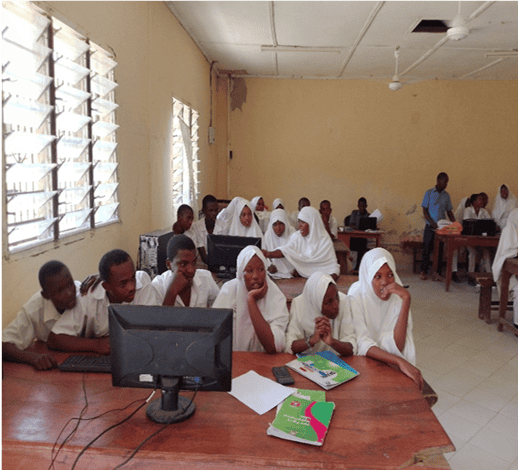
How might we redesign classroom environments to improve collaboration, motivation, and effective learning for all students?
Teachers observed that many learners struggled with confidence, engagement, and collaborative learning, particularly in conventional classroom settings that relied on rigid seating arrangements and teacher-centred instruction. This context highlighted the need for learning environments that could better support students’ emotional needs, creativity, and readiness for future skills.
Traditional classroom setups limited student participation and made it difficult to address diverse learning needs. Learners often lacked motivation, confidence, and opportunities to collaborate meaningfully with peers. Classrooms were not structured to encourage creativity, teamwork, or active engagement, and teaching approaches did not always support interactive or technology-enhanced learning. Teachers also faced challenges managing large classes and sustaining students’ attention, particularly when teaching complex concepts. The core challenge was how to redesign learning spaces and teaching practices to improve engagement, collaboration, and effective learning outcomes.
THE INNOVATION
Dynamic Learning Spaces
The design team focused on transforming conventional classrooms into dynamic learning spaces that promote inclusion, collaboration, and motivation. Teachers reorganised classrooms into flexible group zones, improved the organisation of learning resources, and adapted seating arrangements to support group work and peer interaction.
Key Features
🌿 Learning Environment
- Flexible Group Zones: Creating adaptable spaces.
- Organised Classroom Resources: Ensuring materials are well-arranged.
- Adaptive Classroom Setup: To promote engagement and inclusion.
🎨 Inspiration & Motivation
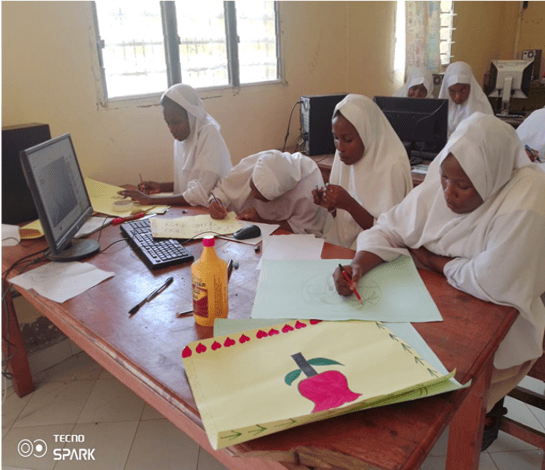
- Inspiration Walls: Showcasing students’ artworks and motivational quotes.
💻 Innovation & Collaboration
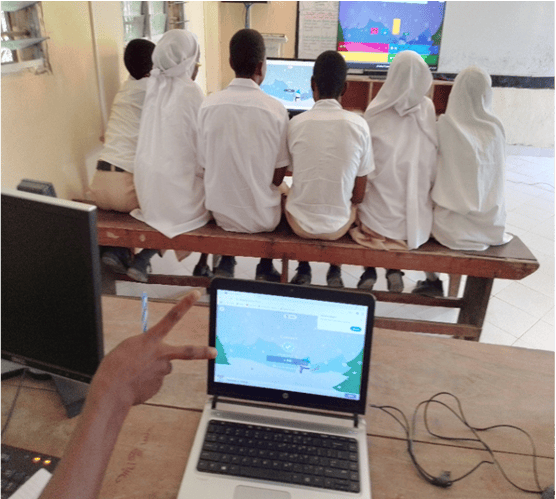
- ICT & Gamification Tools: Integrating interactive apps such as Kahoot and LabXchange.
- Team Building Through Group Examinations.
THE IMPACT
Increased engagement through dynamic, collaborative learning spaces
The initiative was implemented across both schools over a one-year period and led to noticeable improvements in student engagement and classroom dynamics. Learners responded positively to the redesigned spaces, expressing enthusiasm and requesting that the approach be used more frequently. Teachers observed that students became more comfortable working in groups, which increased participation and peer-to-peer learning.
Students demonstrated improved organisation and responsibility, taking greater initiative in managing learning materials and contributing to group tasks. The presence of student artwork and inspirational displays created a more welcoming and creative classroom atmosphere, which supported motivation and enjoyment in learning. Teachers also reported better class control, improved concentration, and stronger retention of content, indicating that the dynamic learning environment supported more effective teaching and learning overall.
RESOURCES
Download the story of this innovation in PDF form below.
Teacher, can we have this every day?
Nia, student
Explore more innovations from Kenya