Tanzania
4-8 Years
T-Learning Model
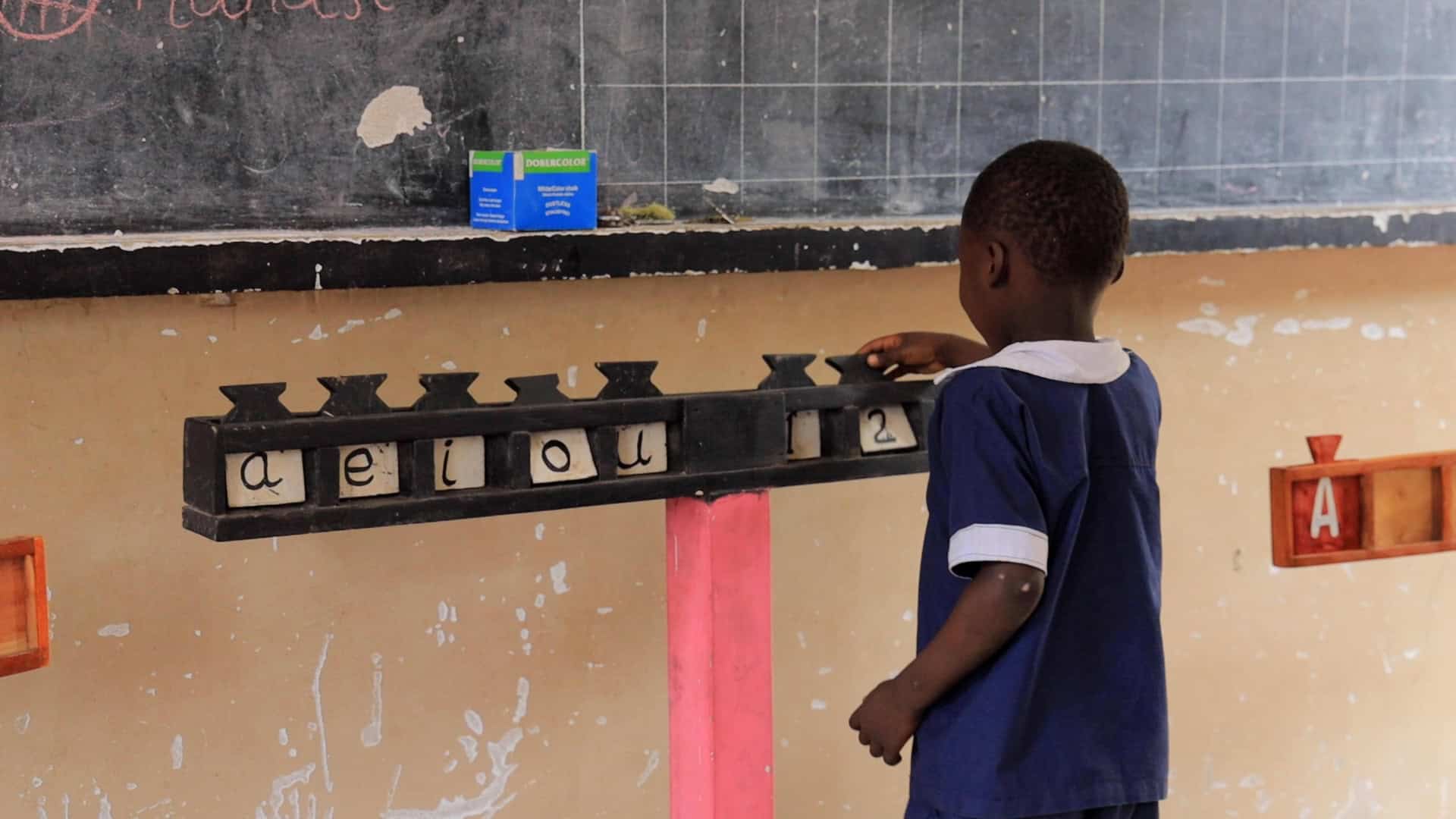
How might we improve preprimary children’s ability to read, write, and count by using low-cost, available resources?


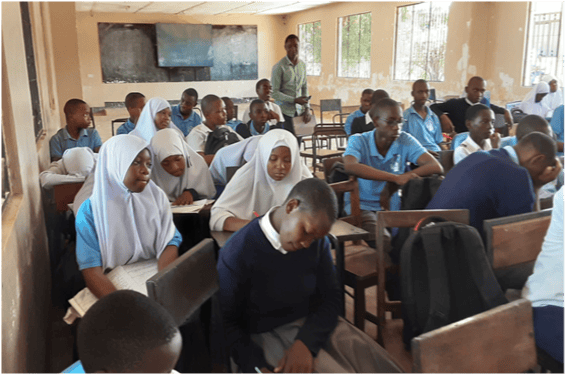


Lindi Secondary School, located in the Rahaleo educational ward of Lindi Municipality, serves students from Form 1 to Form 6 and has a total enrolment of 1,448 students (502 girls and 946 boys). Ms. Farida Said Majid teaches Form 2, a class of 261 students, including two boys with physical disabilities. The school grounds are large but sparsely shaded, offering limited natural shelter for students who spend long hours on campus in a region known for high temperatures.
The absence of trees and shaded areas led to extreme heat in classrooms, especially during midday. This contributed to student absenteeism, reduced concentration, and overall lower academic performance. The harsh temperatures made learning uncomfortable and discouraged students from remaining in class. Teachers, too, faced challenges maintaining engagement and delivering lessons effectively under such conditions. Recognising the immediate and long-term risks posed by climate-related heat, Ms. Farida identified the need for a sustainable, student-led environmental solution to improve learning conditions and strengthen climate awareness.
Ms. Farida established an Environmental Club focused on climate education and practical conservation action. Together with students and fellow teachers, the club prepared a dedicated area on school grounds to create a tree nursery. Students collected manure, gathered seedlings, organised watering schedules, and nurtured the young trees.
The tree nursery quickly evolved into a cross-curricular learning resource:
The initiative produced several positive outcomes across the school community. Students developed stronger environmental awareness, understanding the links between climate change, local conditions, and daily school life. Collaborative work in the nursery increased teamwork between boys and girls, while hands-on tasks boosted student motivation and curiosity. Teachers reported improvements in literacy, observation skills, and practical understanding of climate adaptation measures.
Beyond academic benefits, the project began addressing the original challenge: increasing the number of trees on campus will gradually reduce heat, improving student comfort and supporting better attendance and concentration. The nursery now serves as an accessible, practical teaching tool for subjects including Biology, Geography, and English, providing real-world examples that reinforce classroom content. Through the Environmental Club, students are developing a deeper sense of responsibility and gaining knowledge they can apply within their homes and communities.
Download the story of this innovation in PDF form below.

