Portugal
10-15 Years
TerTuAli
How might we ensure the long-term sustainability of interactive spaces and ensure a culture of discussion and dialogue in lessons?


Located in the municipality of Sintra, one of Portugal’s most populous and diverse regions with nearly 400,000 residents, the Algueirão Cluster of Schools serves a broad mix of urban and semi-rural communities. Sintra’s schools reflect this diversity — with many students from varied socio-economic backgrounds and a strong local commitment to inclusive education.
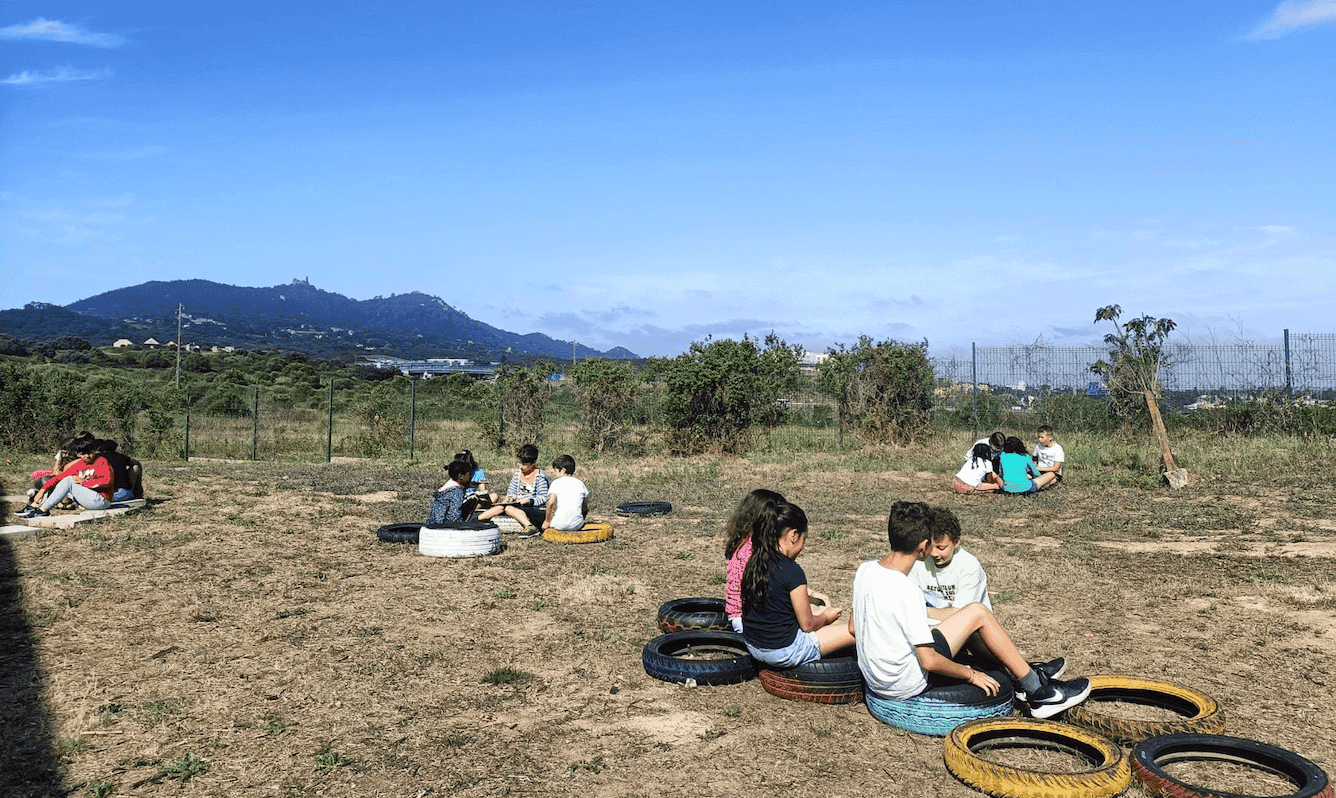
Established over two decades ago, the Algueirão Cluster promotes creative, equitable, and community-based learning. Within it, Casal da Cavaleira Primary School sits surrounded by expansive green space — an overlooked natural resource.
Although the cluster had strong academic foundations, teaching and learning primarily took place indoors, limiting opportunities for students to interact with their natural environment. Teachers wanted to better use outdoor spaces that could serve as living classrooms that stimulate curiosity, creativity, and collaboration.
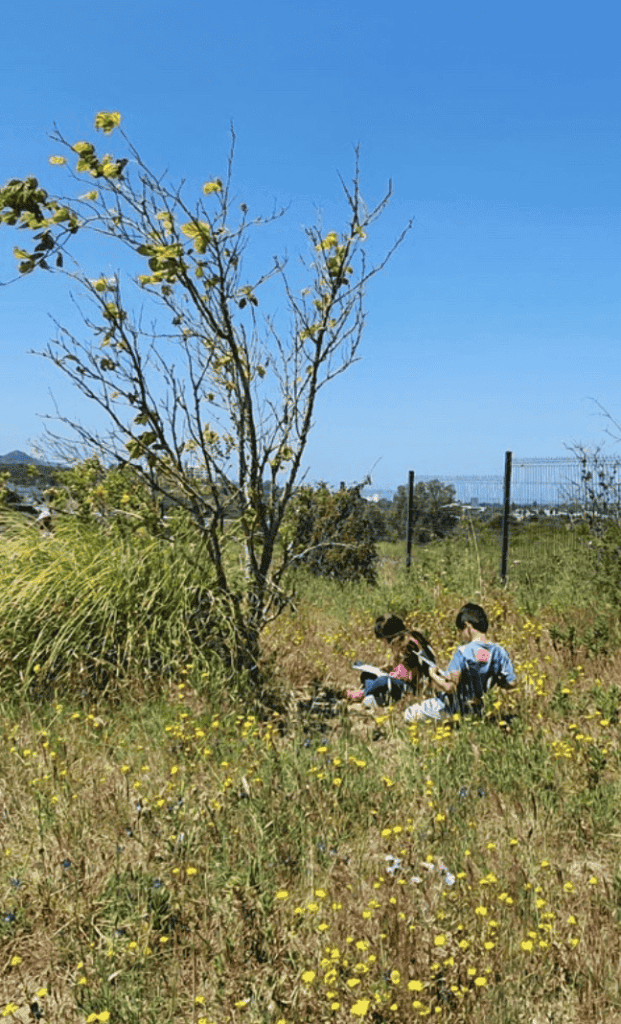
In response, educators, students, and the local community co-created the Geras – Aprendizagens ao Ar Livre model. This approach repurposed an unused green space transforming it into an active learning environment and embedded outdoor, nature-based education into the curriculum for children aged 3 to 10, with pilot expansion to Grades 5 and 7.
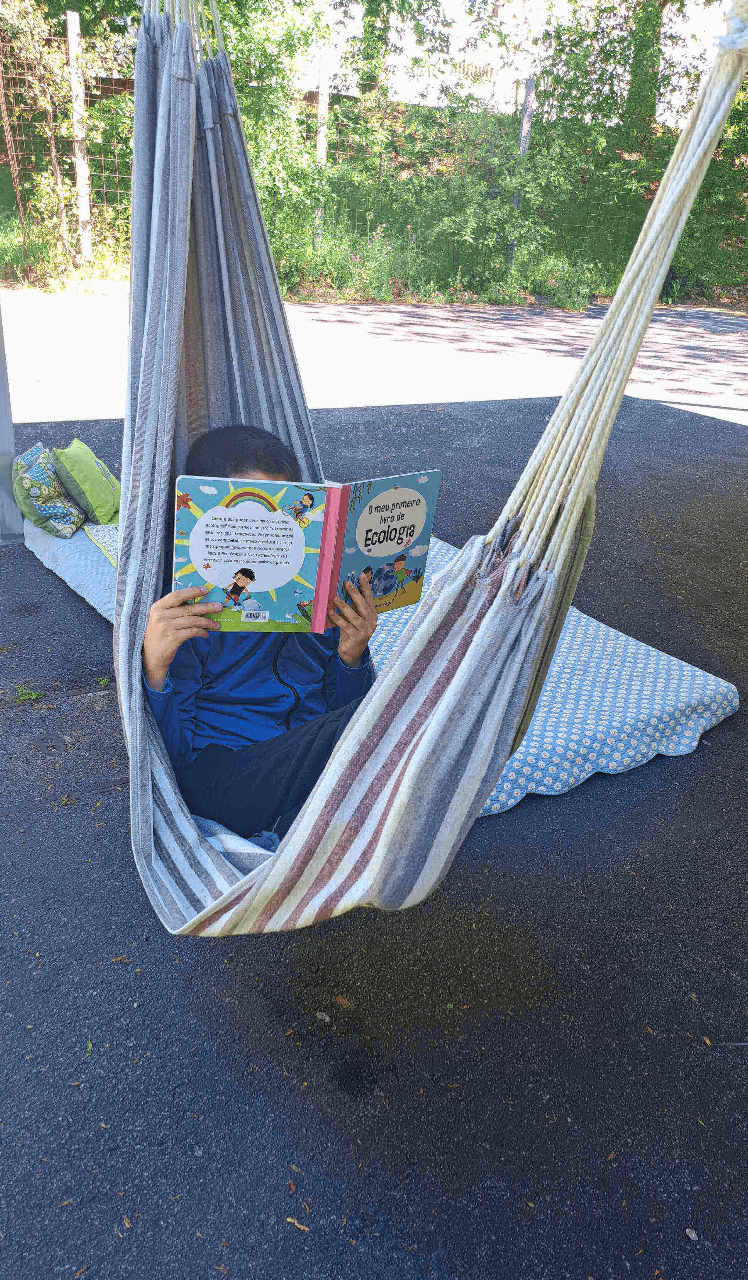
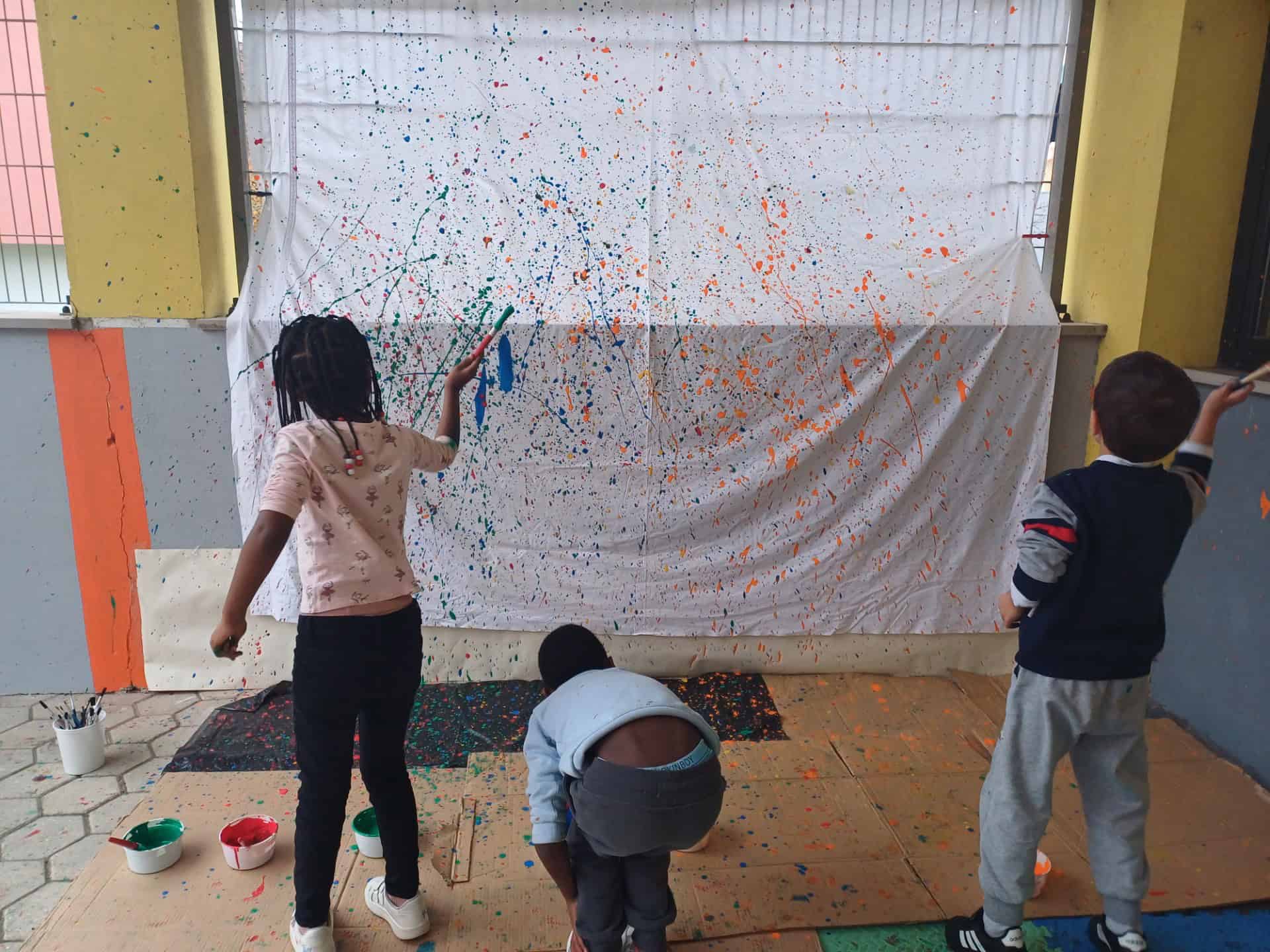
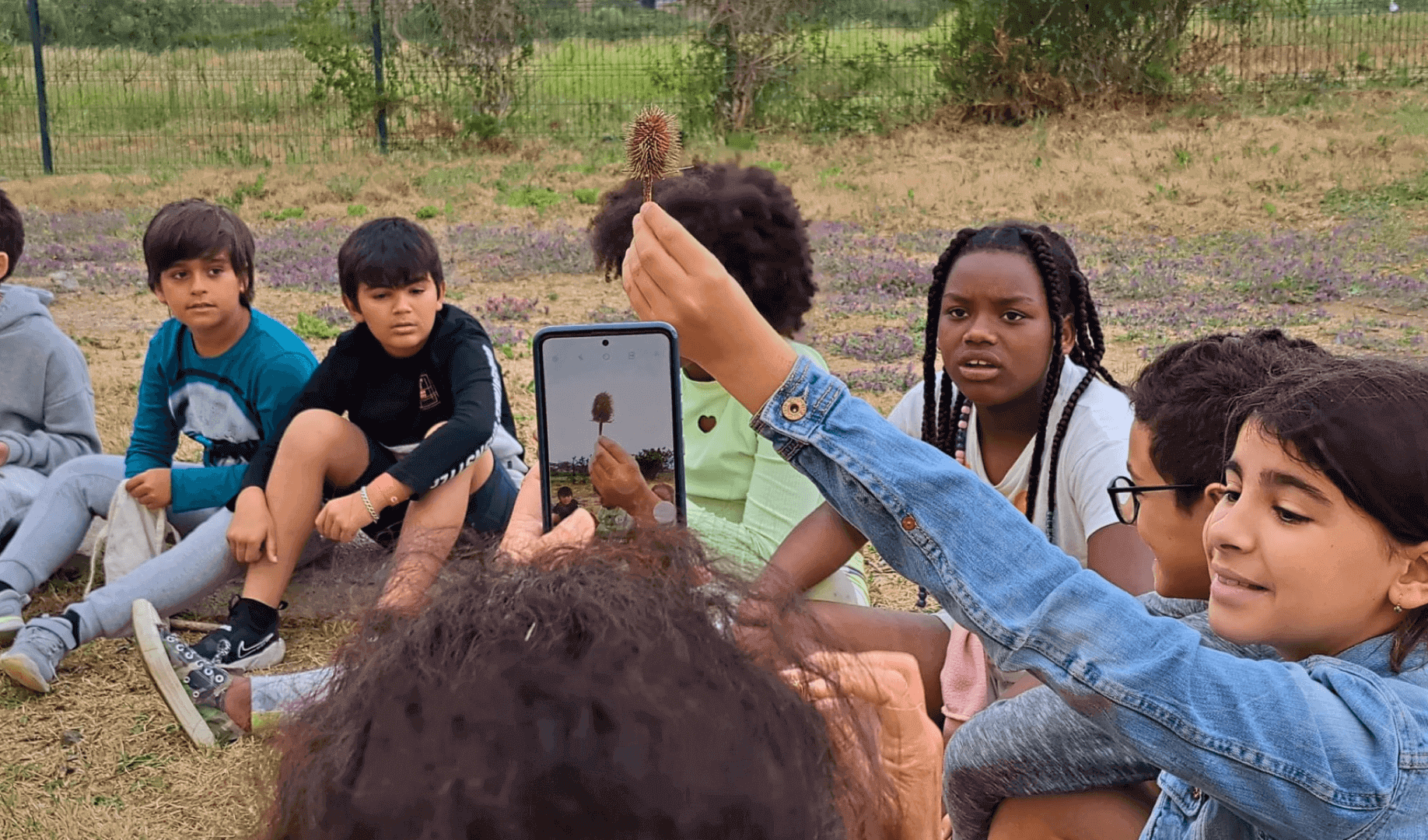
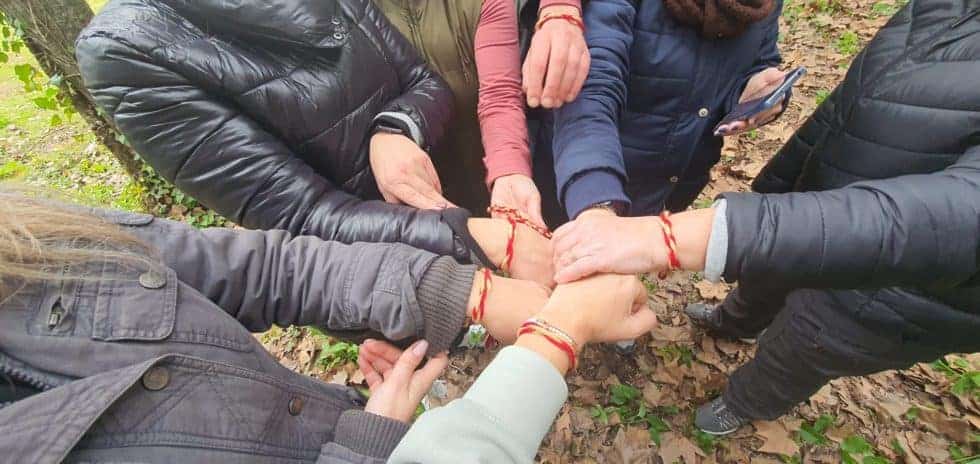
Students began engaging in hands-on, cross-disciplinary activities: collecting leaves and flowers to craft nature bracelets, conducting experiments like “Is There Air Everywhere?” to explore scientific concepts, and observing their surroundings to inspire art and storytelling. These activities encouraged play, inquiry, and creativity while reinforcing curricular goals.
Teachers across the cluster embraced the shift, integrating outdoor learning into science, literacy, and arts lessons. The collaborative HCD process also gave educators ownership of the innovation, ensuring it could adapt and thrive across different schools and contexts.
The Geras initiative has resulted in measurable shifts in teaching and learning across the Algueirão Cluster of Schools. Lessons that once took place solely indoors are now complemented by structured outdoor activities, allowing students to apply classroom knowledge in practical, observable ways. Teachers report greater student participation and focus, as well as improvements in communication, collaboration, and problem-solving skills.
The introduction of outdoor, nature-based learning has also supported broader pedagogical development within the cluster. Educators are integrating cross-disciplinary approaches and adapting the methods for schools with limited access to green spaces. The model has encouraged consistent collaboration between teachers, while promoting environmental awareness and responsibility among students.
Download the story of this innovation in PDF form below.