India
10 Years
Activity-Based Learning
How might we strengthen foundational learning and engagement through interactive, activity-based approaches that connect lessons to real life?


UMS Singhi Kalan is an elementary school located in an urban area of the Bhojpur district of Bihar. The school has over 138 students who come from diverse sociocultural and economic backgrounds. The region is frequently affected by extreme weather conditions, such as heat waves and floods, which lead to significant migration. This migration often results in student dropouts and a disconnection from the school.
For the most part, the community places a low priority on education, which results in low parental support for their children’s studies. The lack of conducive learning environments at home creates significant obstacles for teachers, who work hard to bridge the gap and support students’ learning at school.
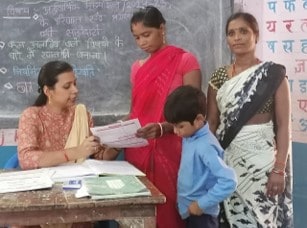
Teacher Mohammad Kaleem undertook assessment activities to understand the learning levels of his primary-level students in three domains – literacy, numeracy, and respect for the environment.
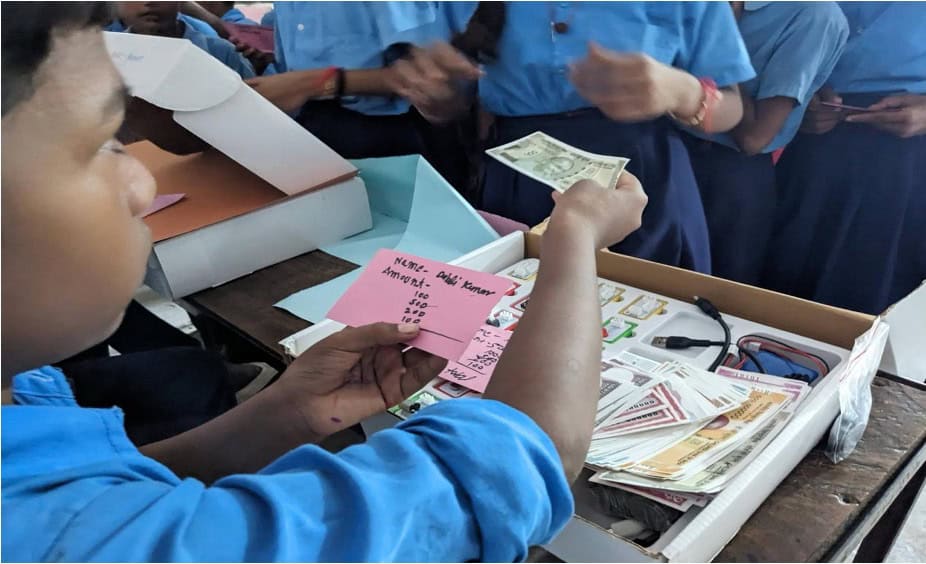
In numeracy, he noticed that whilst students naturally use maths in daily activities, like visiting shops or markets, they struggle to connect these experiences to formal learning. He also uncovered difficulties in areas like measurement, units, addition and subtraction.
The assessment results were corroborated through interviews with parents, children and community members.
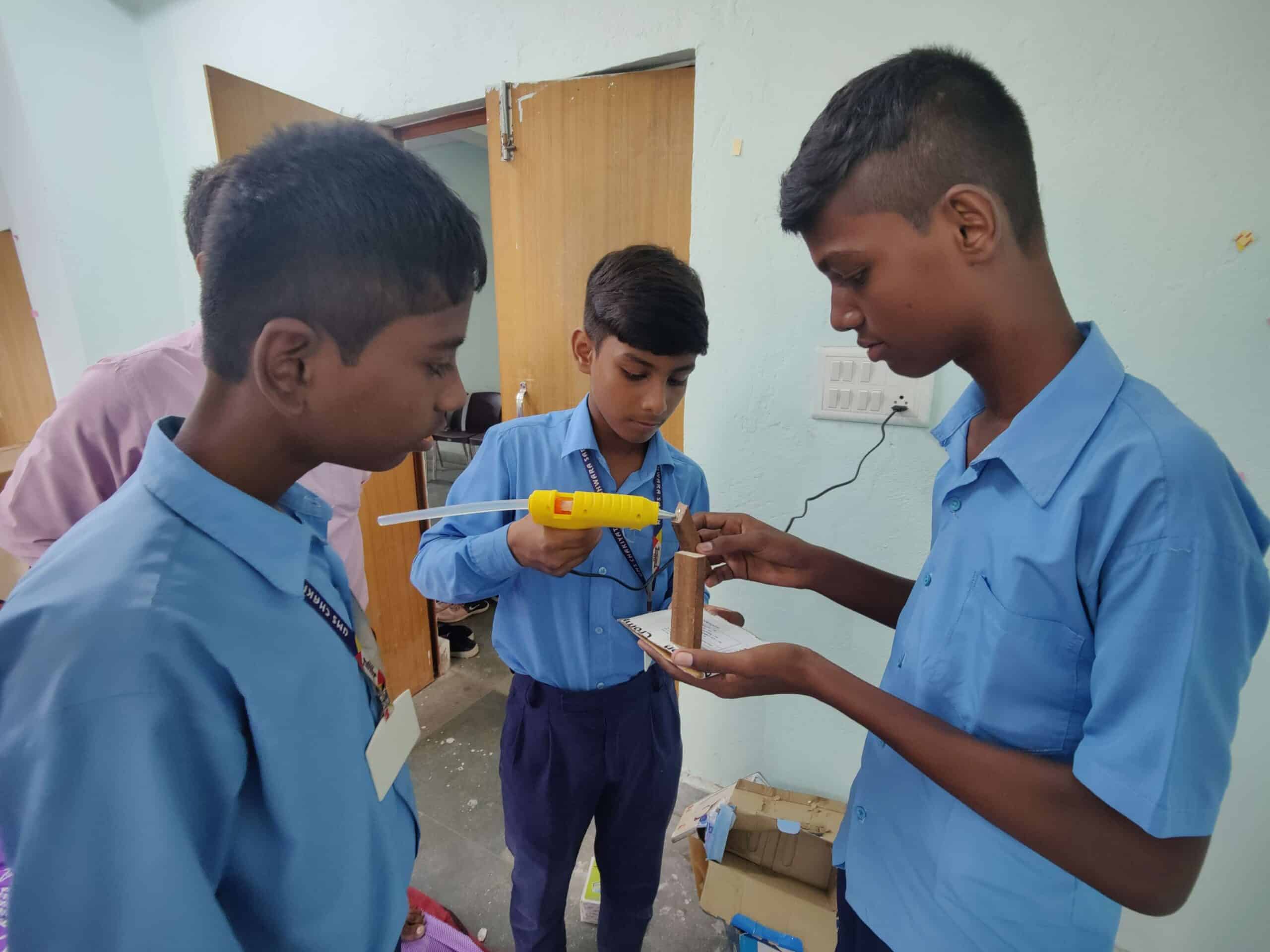
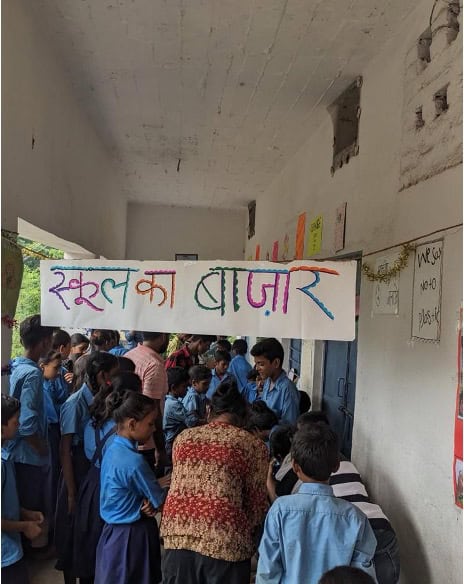
Giving Wings to Learn is an activity-based initiative aimed at making learning practical and engaging by simulating real life experiences. To connect students’ experiences, like buying items from shops, with their lessons, Teacher Kaleem designed engaging activities that promote peer learning, encouraging students to work together to solve maths problems in real-life situations and deepen their understanding of concepts like measurement and units. Students also explore science and maths concepts through environmental projects such as growing plants, as well as various written and spoken activities to improve literacy, creativity and collaboration.
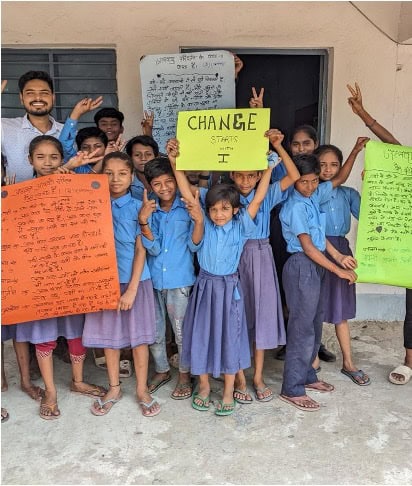
This innovation has led to noticeable improvements in several areas. Students have developed stronger writing skills and improved sentence formation. Their understanding of numbers has also grown, particularly through practical activities like buying and selling. Beyond academics, the initiative has encouraged positive behavioural changes—students are more engaged in class, and even shy students are now more comfortable asking questions and expressing their thoughts. These activities have also increased awareness of climate change, encouraging students to take responsibility for their environment.
Download the story of this innovation in PDF form below.