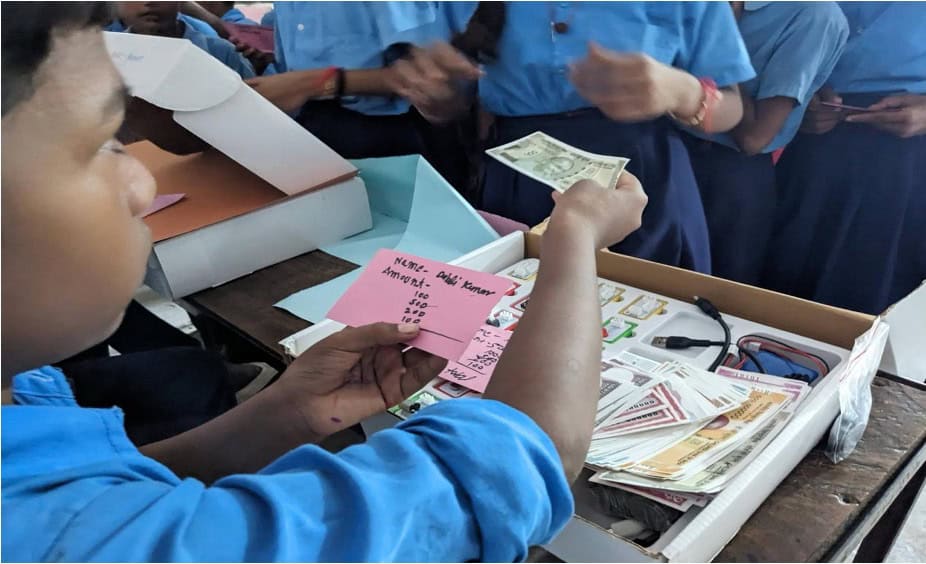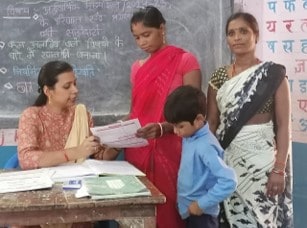
India
10 Years
Activity-Based Learning
How might we strengthen foundational learning and engagement through interactive, activity-based approaches that connect lessons to real life?

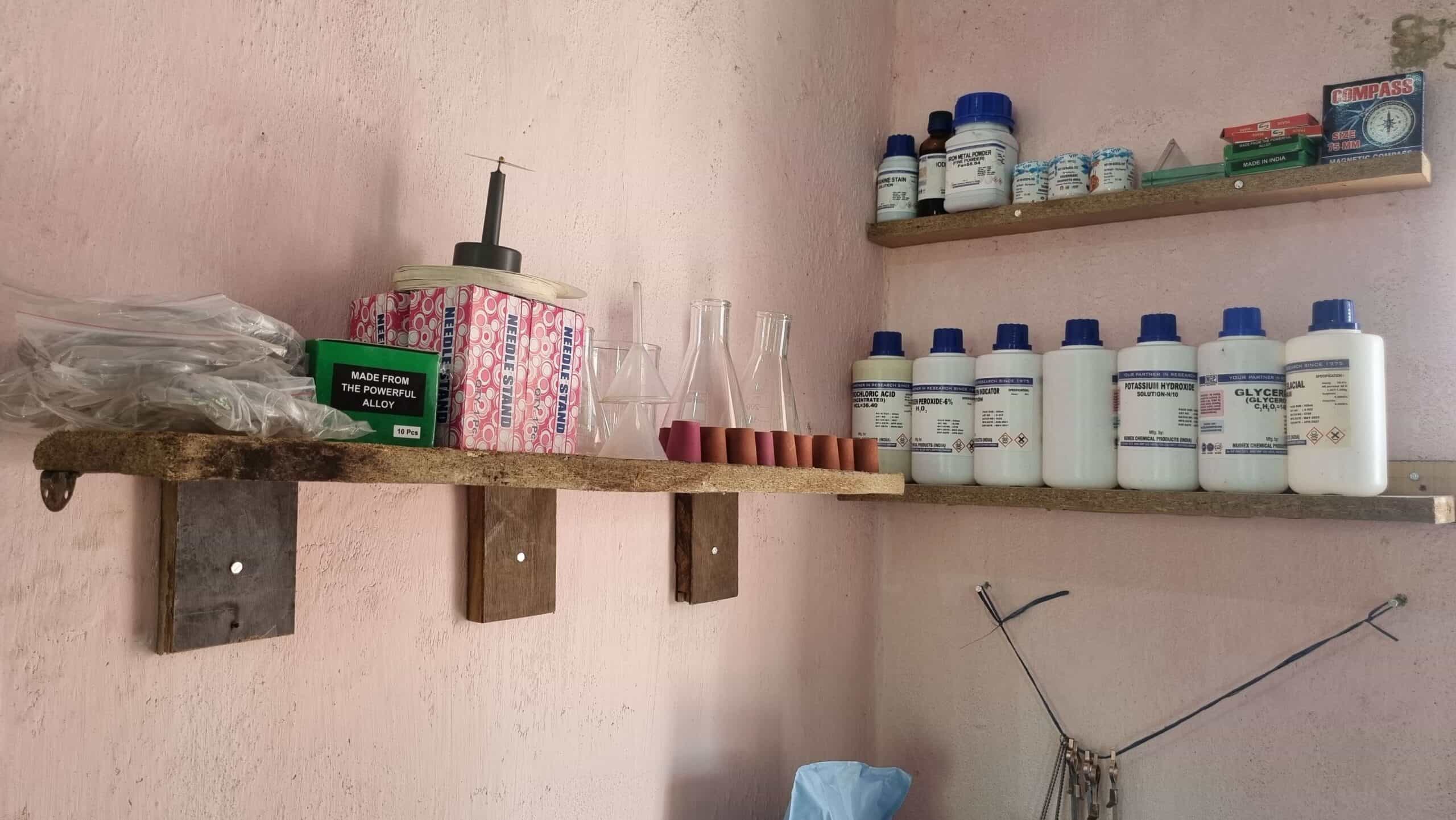
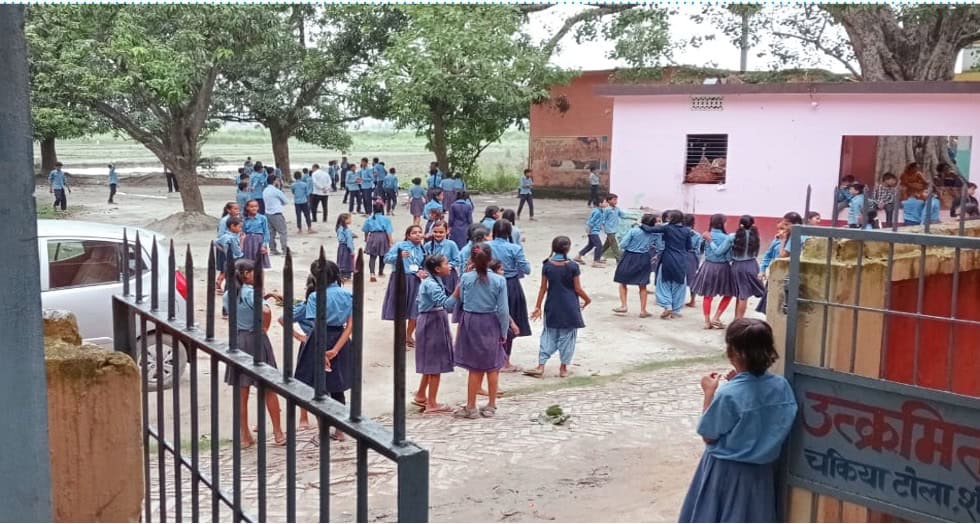
Upgraded Middle School, Chakiya Tola, Dighwara is situated along the banks of the sacred River Ganges, offering a peaceful and inspiring environment for learning. Located in the culturally vibrant Saran district of Bihar, the area is renowned for hosting Asia’s largest animal fair— an iconic annual event that attracts visitors from across India and provides students with a unique opportunity to observe a wide variety of animals up close.
The school serves students from grades 1 to 8, with a current enrollment of 306. Most parents are engaged in agriculture or operate small local businesses such as shops or stalls. Many of the students are first-generation learners, and overall awareness about the importance of education remains low in the community.
This presents a significant challenge: without a supportive learning environment at home, many students struggle to stay engaged in their studies, which often hinders their academic development.
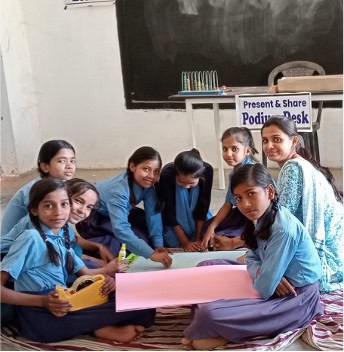
A key challenge identified at the school was low engagement among Grade 5 students, particularly in science. Many students showed hesitation towards learning scientific concepts from textbooks. Children preferred staying outside the classroom during science lessons, reflecting a lack of curiosity and confidence in the subject. A lack of opportunities to promote collaborative learning in science was also identified through the HCD process by the teacher.
According to the school leader, many students come from families where parents are engaged in daily wage work, leaving little time for educational support at home. In such households, the focus is often on earning a livelihood, and education, especially, in science and technology has been deprioritized. While some students attend school to access scholarships and government benefits, there is significant opportunity to build stronger motivation for learning. Strengthening foundational understanding in science is key to unlocking future opportunities in STEM-related fields.
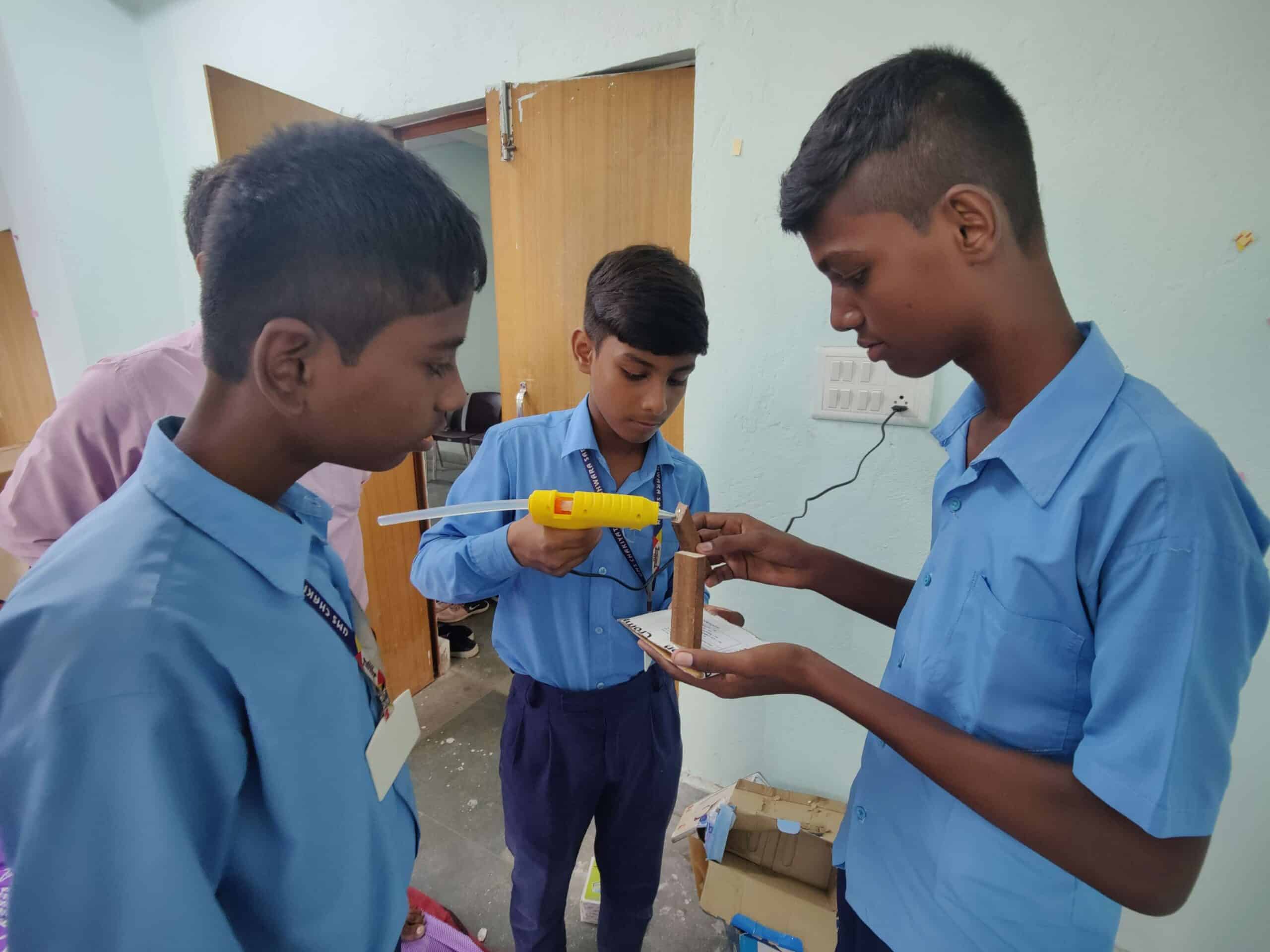
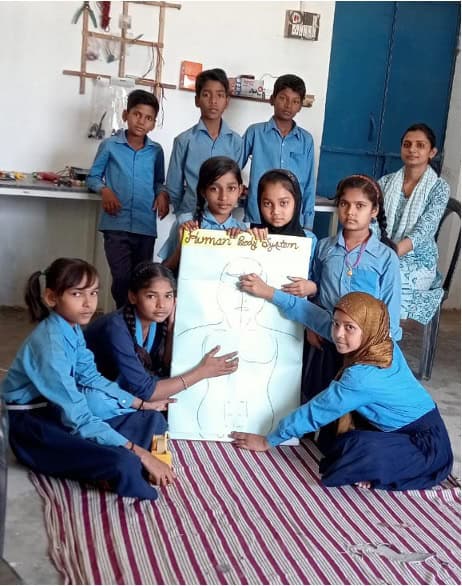
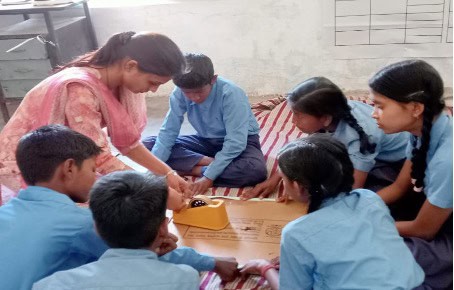
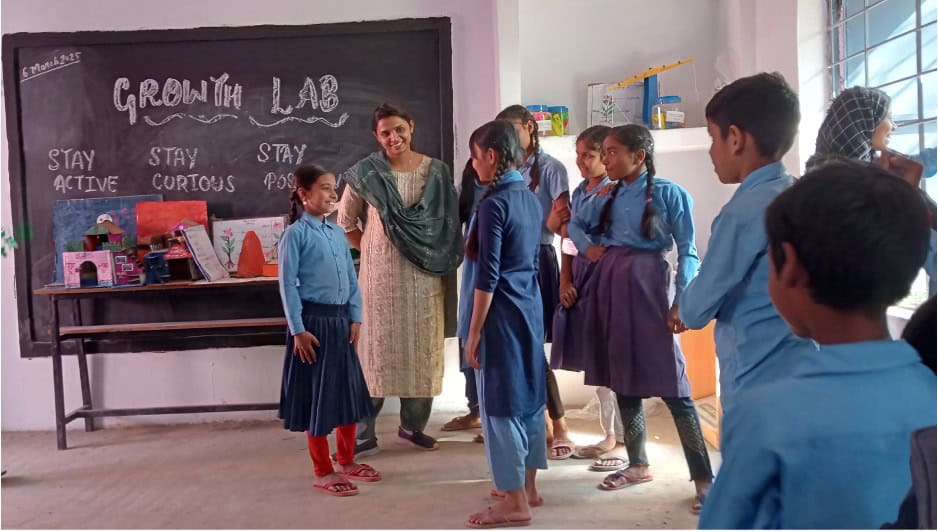
The Growth Labs were launched with Grade 5 students to promote experiential learning and active participation. Using simple materials like chart paper, coloured cardboard, scissors and pencils, students collaborated in a vibrant, hands-on environment – cutting, coloring, exchanging ideas and creating models. In this school, focus was on the human body, the project allowed children to explore internal organs and systems through visual, tactile learning.
In many government schools, science education is challenged by limited resources and the absence of lab facilities. Growth Lab innovations help bridge this gap by introducing low-cost, activity-based learning methods. These tools empower teachers to guide students through key scientific processes – observation, experimentation and reflection – nurturing curiosity and scientific temperament.
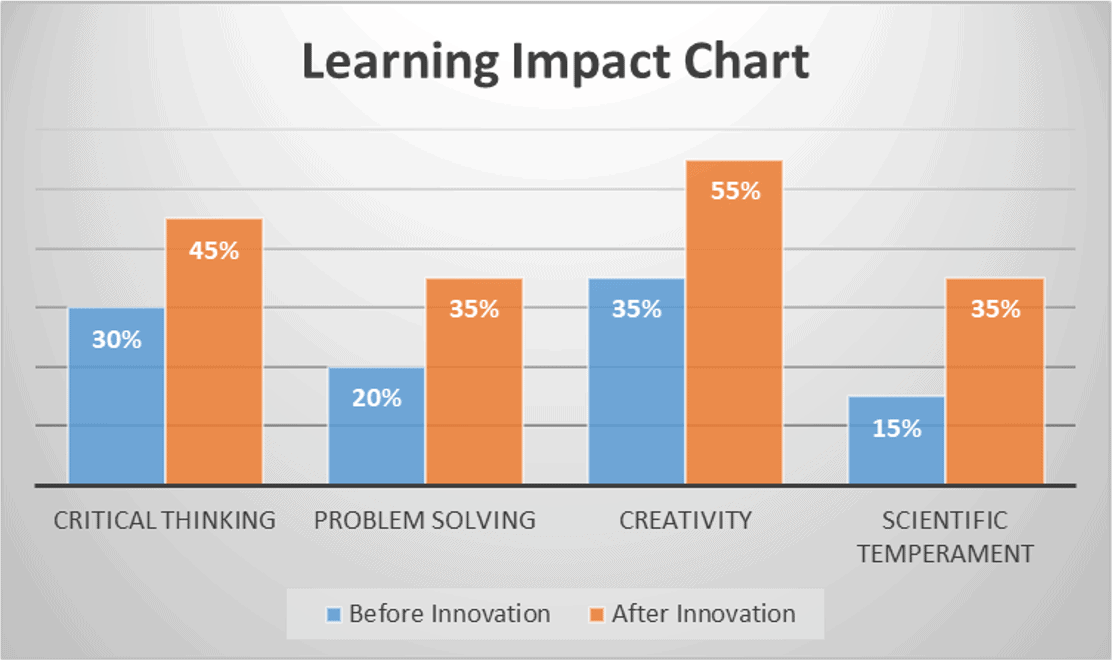
By the end of the project, the children had developed stronger collaboration skills, a sense of responsibility, and greater ownership of their learning. The process nurtured curiosity, encouraged critical thinking, and built confidence in science education—transforming the classroom into a space where learning felt both meaningful and inspiring.
Benefits include:
Download the story of this innovation in PDF form below.