Afghanistan
11-12 Years
Snowball
How might we ensure every student has an active voice in the classroom?

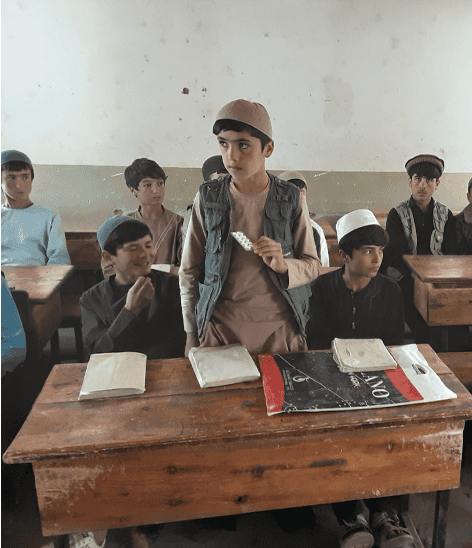
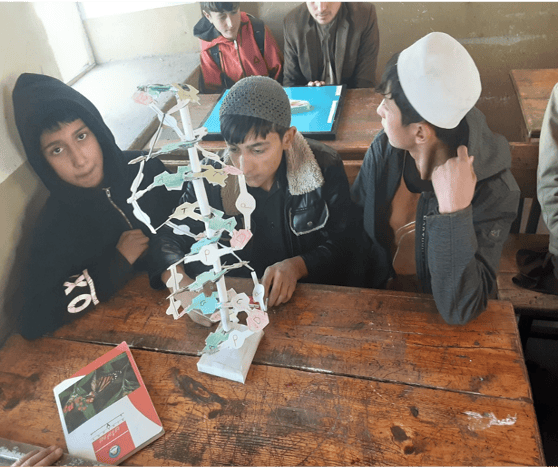
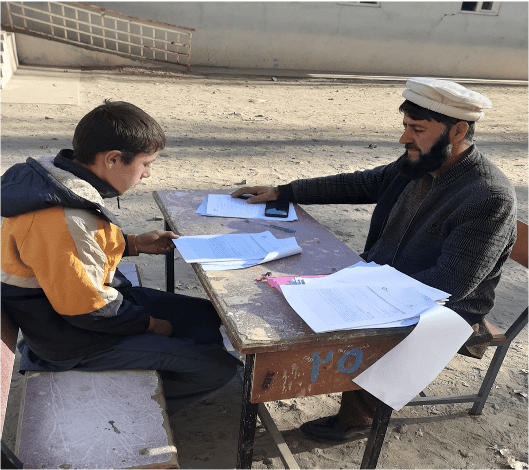
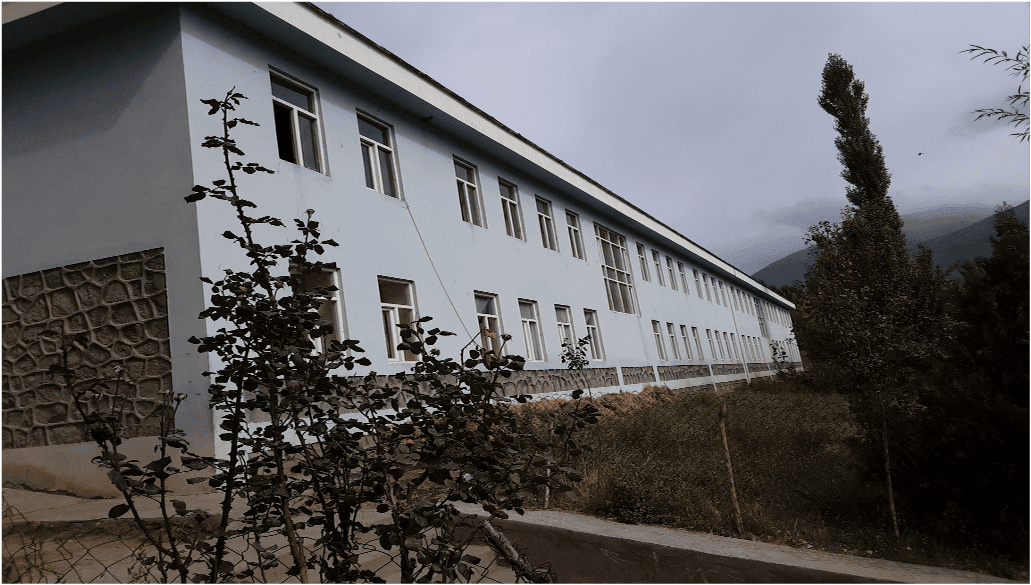
Rahmat High School is one of the oldest and most respected educational institutions in Shughnan district, Badakhshan province, Afghanistan, established in 1317 (Solar Hijri). With 1,246 active students drawn from three villages, the school serves as the primary educational hub for the entire district. Most families depend on agriculture for their livelihood, and the school represents a deeply valued pathway to a better future. Since 2021, Grade 4 and Grade 7 classes have been part of the Schools2030 programme, bringing student-centred learning, hands-on activities, and innovative teaching practices to this remote community.
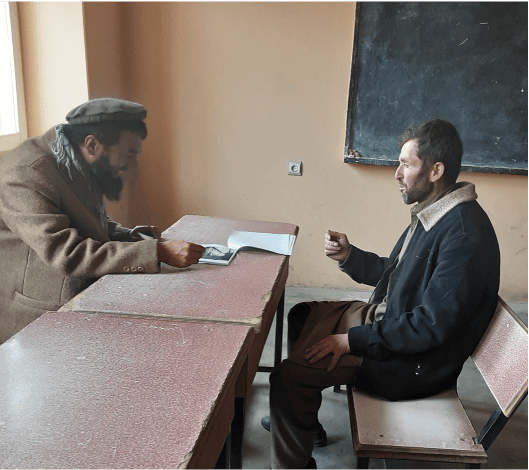
Student assessments have revealed persistent gaps in literacy, numeracy, science, and communication, with students receiving largely passive, lecture-based instruction. Lesson content has rarely been connected to students’ everyday lives or local context, and hands-on and role-play activities have been almost entirely absent from classrooms. Teachers have given limited individual attention to students who needed extra support, and environmental and local materials have rarely been used in Science or Mathematics. Beyond the classroom, parental involvement has been very low, with families not meaningfully engaged with the school.
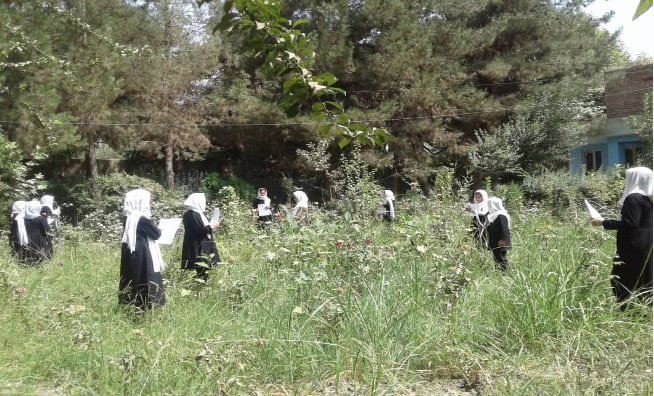
The innovation centred on two principles: connecting learning to real life, and replacing passive instruction with hands-on discovery. Teachers redesigned lessons to use locally available materials and interactive group activities, making abstract concepts tangible for every student.
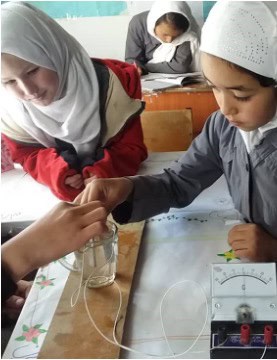
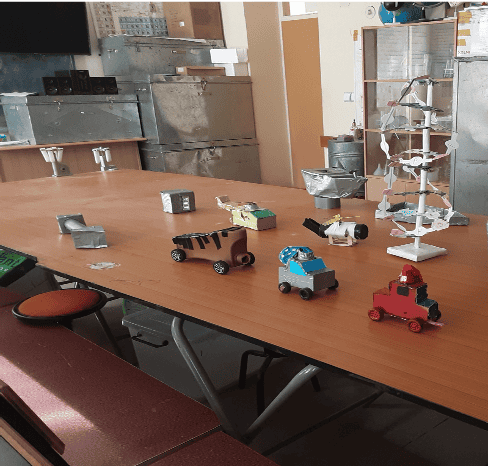
In Science, students built DNA models, periscopes, car models, microscope specimens, and cell structures using everyday materials, making abstract concepts tangible and memorable. In Dari Language, the harms of narcotics were taught through group debate and practical demonstration, with students divided into teams to research and present material and moral harms, developing both language and critical thinking skills. Throughout all activities, 21st-century skills — group collaboration, peer teaching, critical thinking, and public communication — were woven into every lesson, building capacities that extend far beyond the formal curriculum.
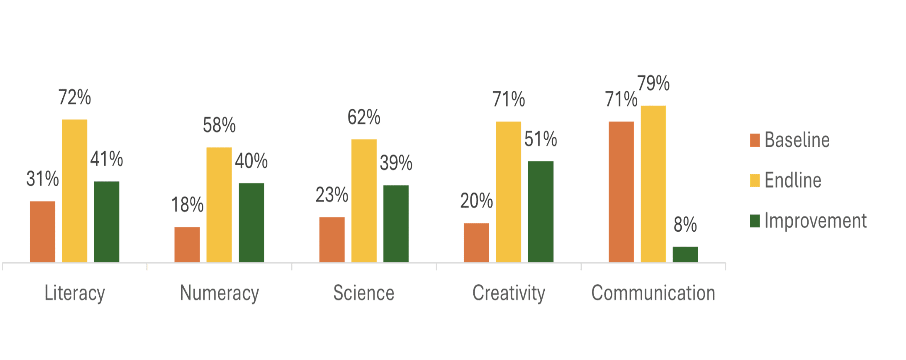
Across all five learning areas, students showed measurable improvement from baseline to endline assessments:
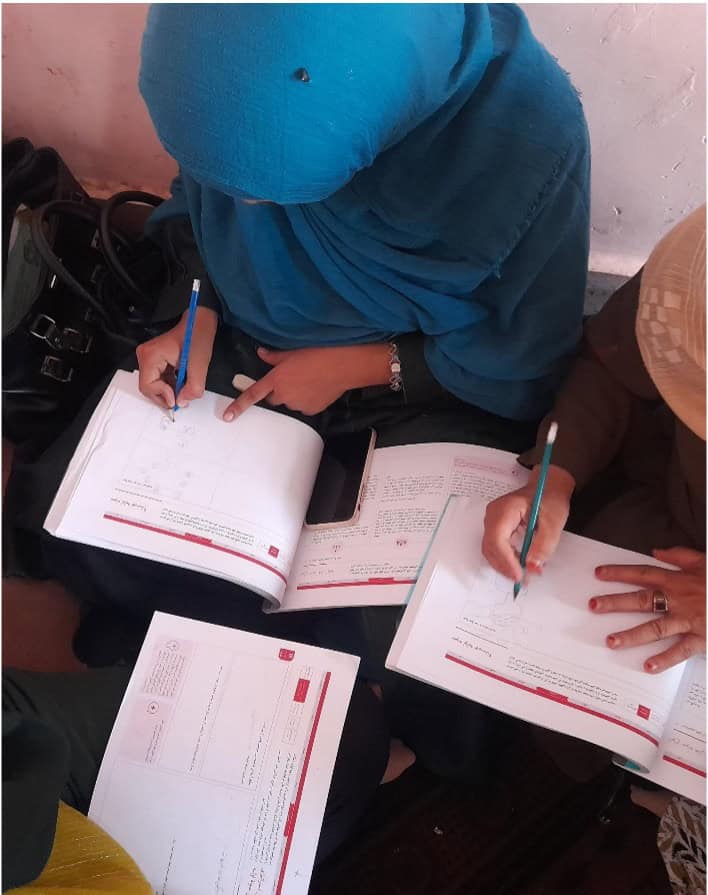
Students who once hesitated to participate began leading activities, presenting findings, and asking deeper questions. Teachers gained confidence in activity-based instruction and began using evidence and reflection, rather than assumptions, to shape their practice. The Human-Centred Design process grounded decision-making in real student and parent voices, creating shared ownership of the school’s learning culture. Crucially, hands-on learning became embedded in teaching — not a one-time event, but a lasting shift in how learning happens at Rahmat High School.
Download this innovation as a PDF.