15 Years
Teacher Innovator(s): Ghulam Rasul
Learning Area
Collaboration | Engaging Out of School Youth | Literacy | Numeracy | Parental Involvement | Science
How might we find more creative and engaging ways of teaching to tackle absenteeism and poor outcomes?
THE CONTEXT
Sar-e-Ahangaran High School
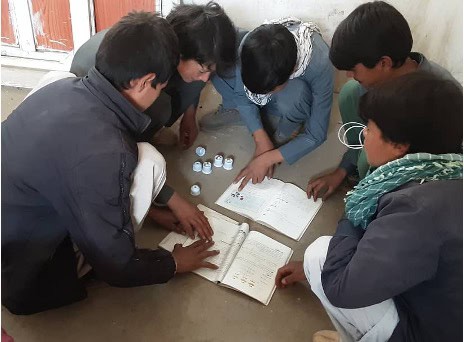
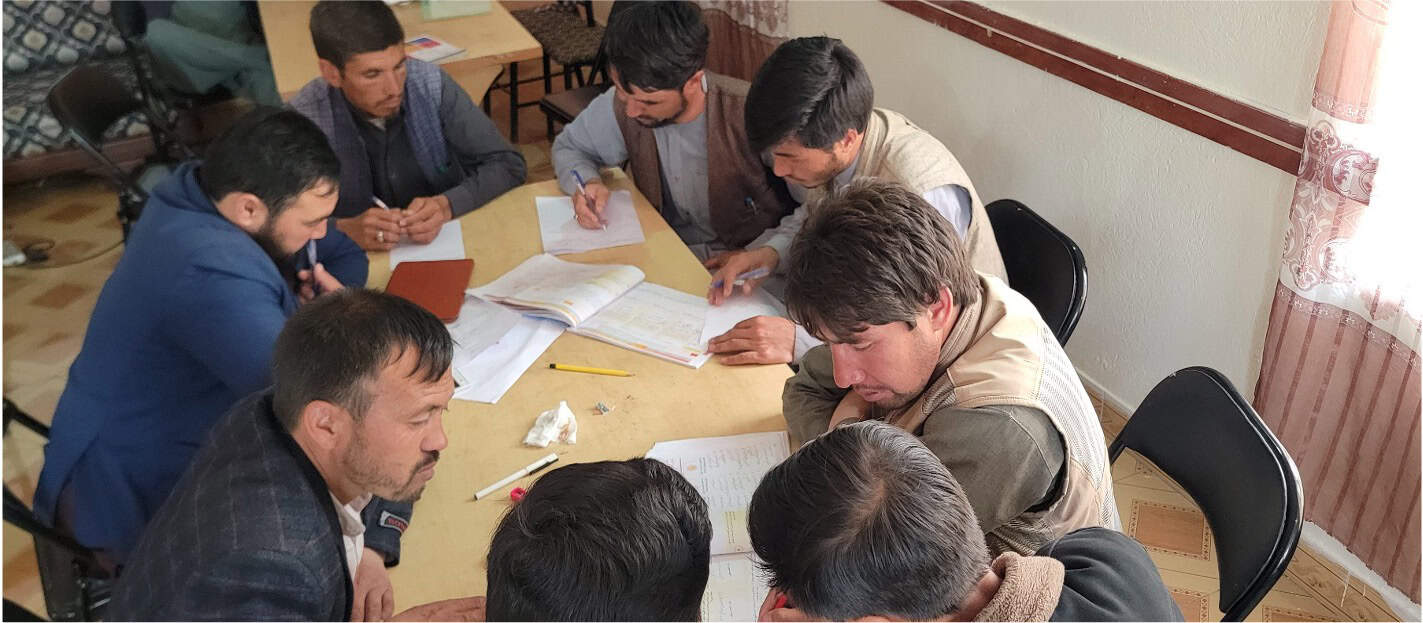
Sar-e-Ahangaran High School is located 25km east of Bamyan City in Afghanistan, serving a remote population of 1,700 people. The area faces harsh winters and high illiteracy rates, with most residents relying on farming and livestock herding. The school enrolled 235 students in 2024. However, it faces significant challenges such as student absenteeism due to distance and weather, lack of resources, and a shortage of qualified teachers. Traditional teaching methods dominate, with little incorporation of active learning strategies.
THE CHALLENGE
How might we find more creative and engaging ways of teaching to tackle absenteeism and poor outcomes?
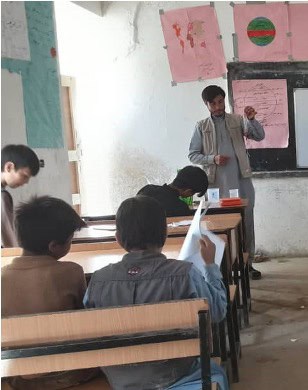
The school’s design team identified several key challenges for students, particularly in Grade 7. These included difficulties in literacy (reading comprehension, expressing ideas, writing, and spelling), mathematics (geometry, measurement, algebra, and data organisation), and science (physics, biology, and chemistry). Students received minimal academic support at home due to parents’ lack of literacy. Teachers relied heavily on traditional, teacher-centred methods, which exacerbated students’ difficulties and led to increased absenteeism and disengagement.
"Teacher-centred methods were ultimately boring for the students, which is why students’ absenteeism during class hours increased."
Ghulam Rasul
THE INNOVATION
Learning through Activities
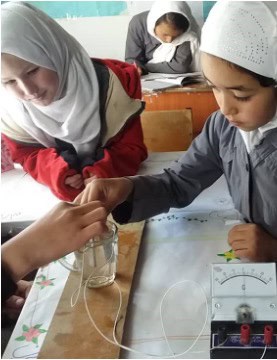
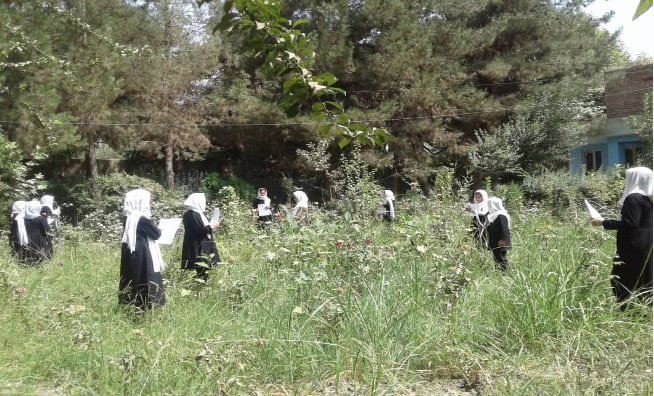
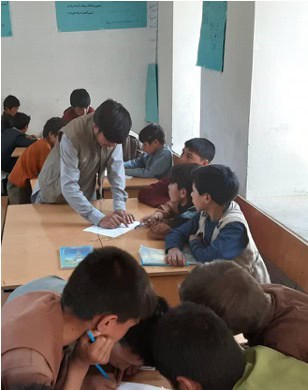
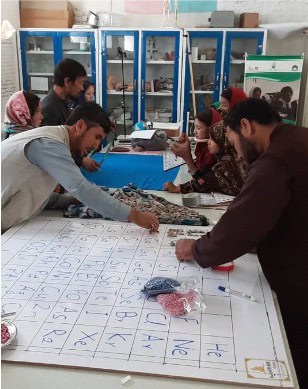
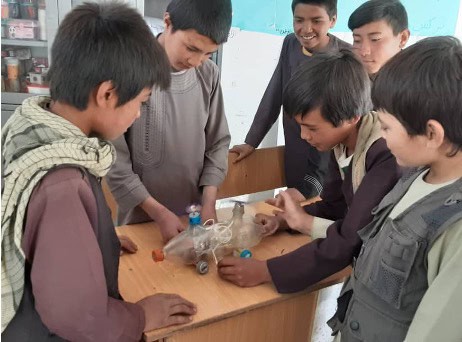
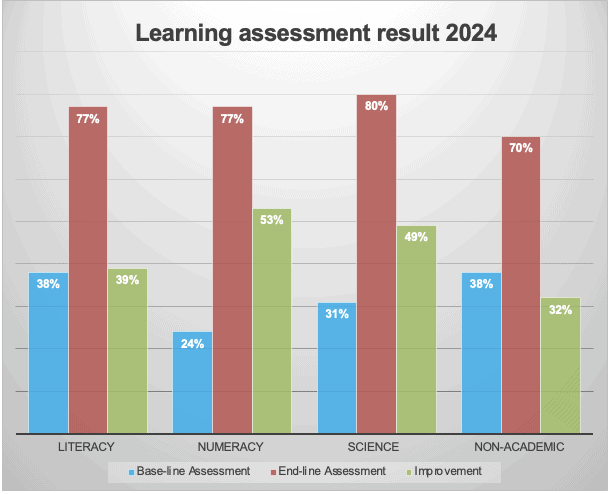
After five months of implementation, the “Learning Through Activities” approach showed significant positive outcomes. Teachers adopted new, active teaching methods, while students became more engaged and participative. Parent involvement and trust in the school increased. Student absenteeism decreased, and creativity and innovation among students improved. By the end of the academic year, students progressed to the next grade with higher academic grades. The solution’s success is evident in the increased student motivation, reduced daily absenteeism, and enhanced overall learning experience.
THE IMPACT
A better student experience
After five months of implementation, the “Learning Through Activities” approach showed significant positive outcomes. Teachers adopted new, active teaching methods, while students became more engaged and participative. Parent involvement and trust in the school increased. Student absenteeism decreased, and creativity and innovation among students improved. By the end of the academic year, students progressed to the next grade with higher academic grades. The solution’s success is evident in the increased student motivation, reduced daily absenteeism, and enhanced overall learning experience.
RESOURCES
Download the story of this innovation in PDF form below.
Explore more innovations from Afghanistan