15 Years
Teacher Innovator(s): Noor Faraz Khan
Learning Area
Creativity | Literacy | Resilience | Self Expression
How might we build students’ English skills and resilience so they can keep learning despite recurring floods?

THE CONTEXT
Government High School Brep, Chitral
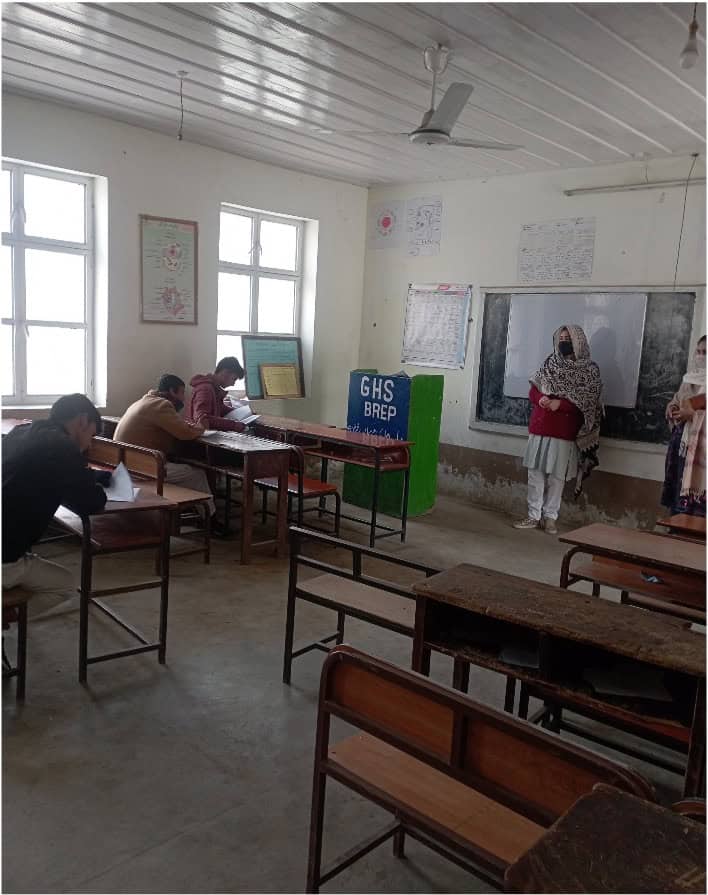
Government High School Brep is located in the flood-affected village of Brep in Upper Chitral, Pakistan, serving 127 students. Each year, 10–15 families are displaced by flooding, disrupting students’ education and creating widespread anxiety and instability. The school itself lies within a vulnerable zone, frequently impacted by these natural disasters.
Teacher Noor Faraz Khan recognized that his role extended beyond academic instruction. Students required not only literacy support but also social and emotional guidance to cope with their environment. Conventional recovery efforts after floods focused on rebuilding infrastructure, leaving the psychological and educational needs of students largely unmet.
THE CHALLENGE
How might we build students’ English skills and resilience so they can keep learning despite recurring floods?
Assessments and interviews revealed that students were struggling most in literacy, particularly in English, which, despite being their second language, was the language of most of their textbooks. Weak comprehension skills limited their ability to engage with lessons and affected confidence in other areas of learning.
In addition to academic barriers, repeated exposure to floods had diminished students’ motivation and emotional well-being. They needed opportunities for creativity, self-expression, and collaboration to rebuild both their literacy skills and their sense of stability.
THE INNOVATION
Literacy Learning Through Play and Expression
Noor Faraz Khan designed an integrated approach that combined creativity, play-based learning, and emotional support to enhance both literacy and resilience among students.
- Artistic Expression Through Storybooks
To spark interest in reading, students were given English storybooks and encouraged to recreate key scenes through drawing and painting on whiteboards displayed in school corridors. This transformed the act of reading into an immersive experience, allowing students to visualize and interpret stories creatively. It improved their comprehension, vocabulary recall, and ability to connect words with images. The activity also provided a calming, expressive outlet after periods of stress caused by flooding, helping students regain focus and confidence. - The Vocabulary Target Game
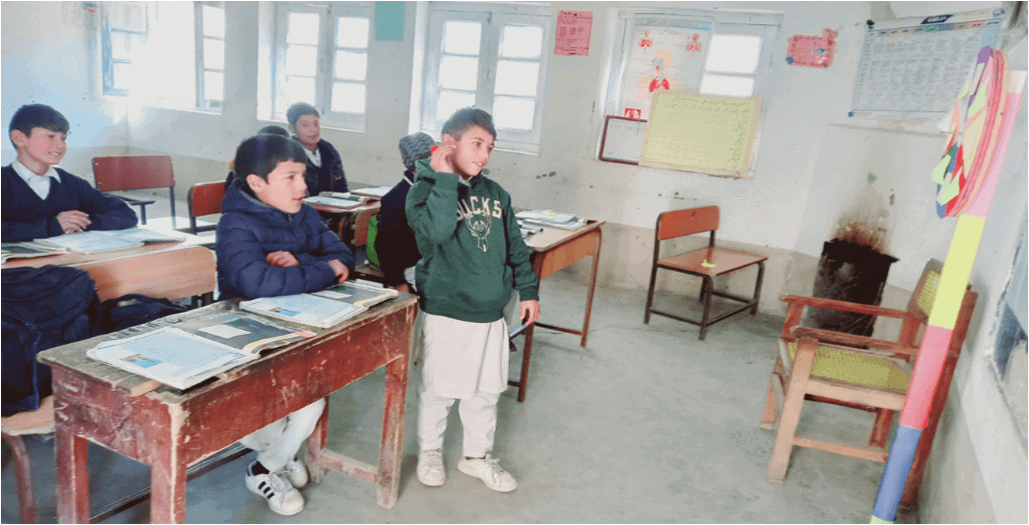
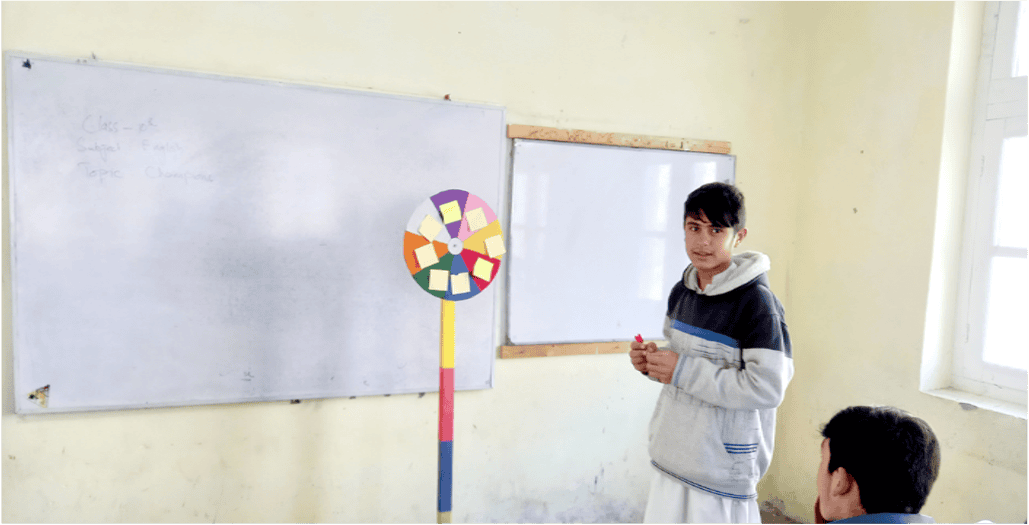
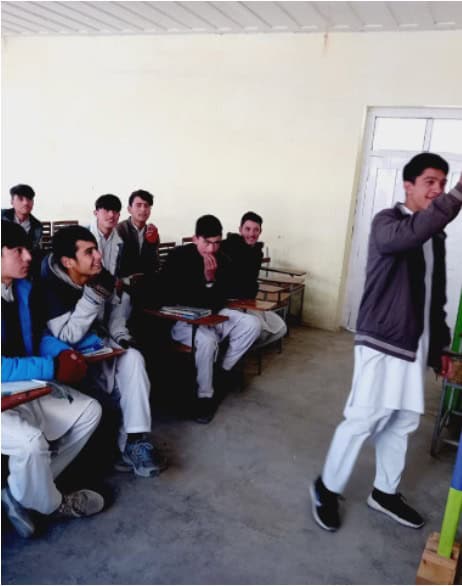
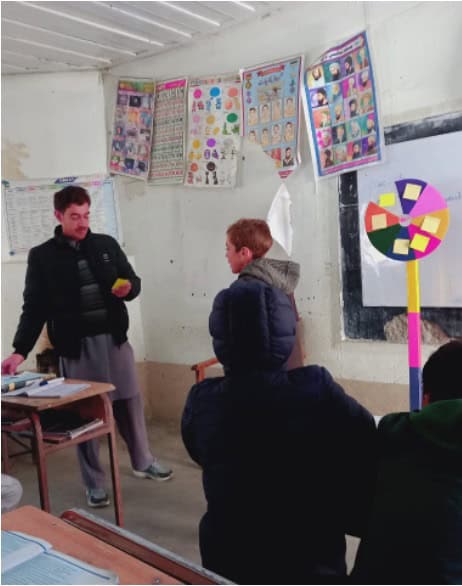
To address gaps in word recognition and meaning, Noor introduced an interactive classroom game that made vocabulary practice both competitive and enjoyable. Sticky notes with target words were placed face down on a board. Students used small arrows or paper darts to select a word, then read it aloud, explained its meaning, and used it correctly in a sentence. Peers and the teacher provided immediate feedback, reinforcing pronunciation and understanding. Points were awarded for accuracy, encouraging healthy competition and collaboration. The game energized classroom learning, increased retention, and gave students a sense of accomplishment. - Emotional Support and Parental Engagement
Recognizing the emotional toll of recurring floods, Noor held group discussions and counseling sessions to help students articulate their fears and strengthen coping mechanisms. Storybooks featuring themes of courage and perseverance were integrated into these sessions to model positive responses to adversity. Parents were engaged through home-based tasks such as shared reading or helping children identify new words, maintaining educational continuity during school closures. This collective involvement nurtured both academic progress and emotional well-being.
THE IMPACT
Students gaining confidence and resilience through language and learning.
The initiative produced notable improvements in both literacy and well-being among students at Government High School Brep. Classroom assessments showed clearer gains in reading comprehension, vocabulary retention, and oral expression. Students who had previously hesitated to read aloud began participating confidently, demonstrating greater understanding and fluency in English. Teachers observed higher engagement levels, more consistent attendance, and stronger collaboration among peers.
Beyond academic progress, the initiative also strengthened students’ emotional resilience and sense of community. Creative and interactive activities provided constructive outlets for stress, while counselling and parental involvement helped reduce anxiety following flood events. Students developed a more positive attitude toward learning, expressing pride in their achievements and a growing awareness of climate-related challenges affecting their village.

RESOURCES
Download the story of this innovation in PDF form below.
I was deeply moved to see my students not only succeed academically but also emerge as confident, motivated individuals.<br />
Noor Faraz Khan
Explore more innovations from Pakistan