
Tanzania
15 Years
Environmental Clubs
How might we empower students to address climate challenges through hands-on environmental action?

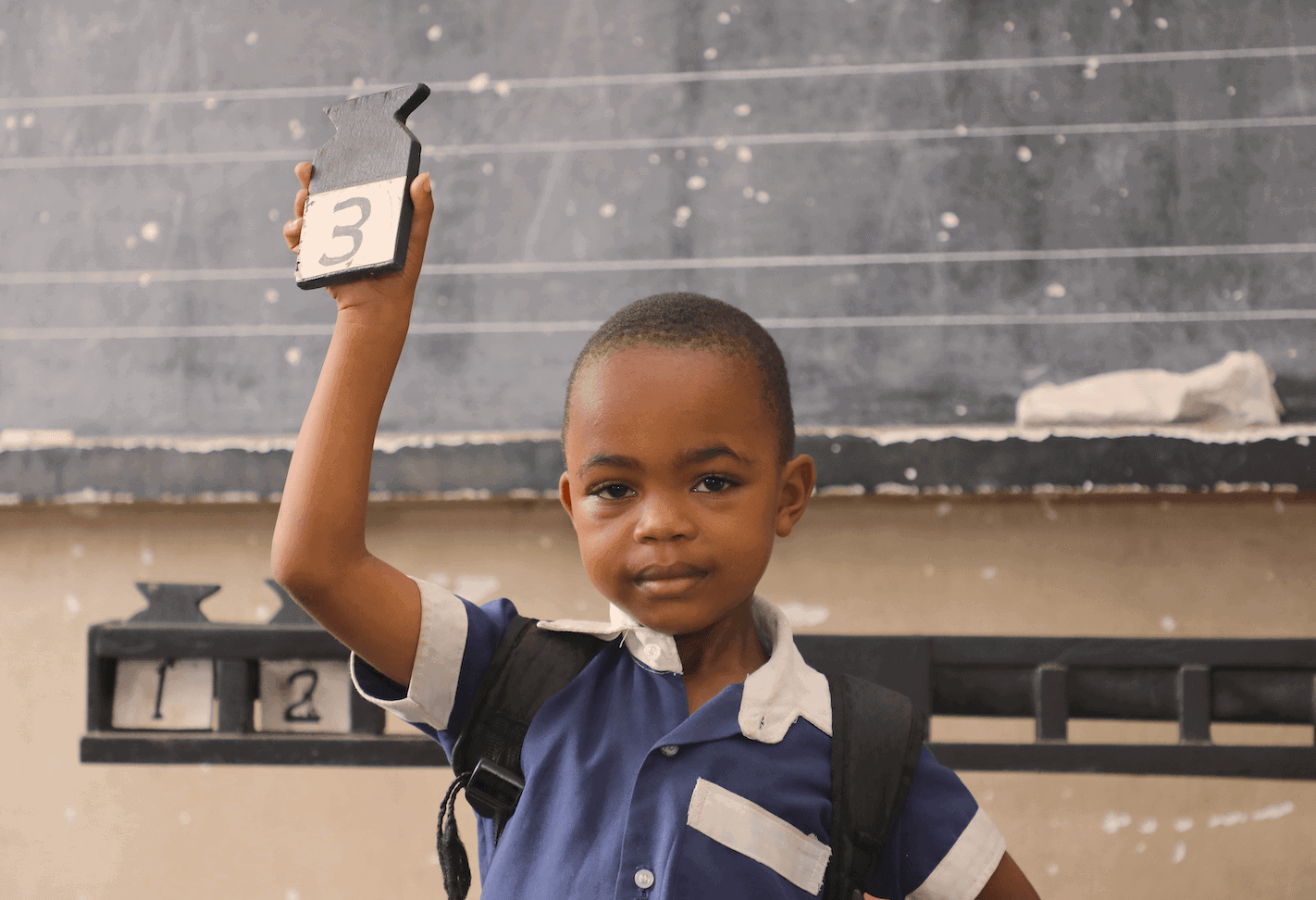
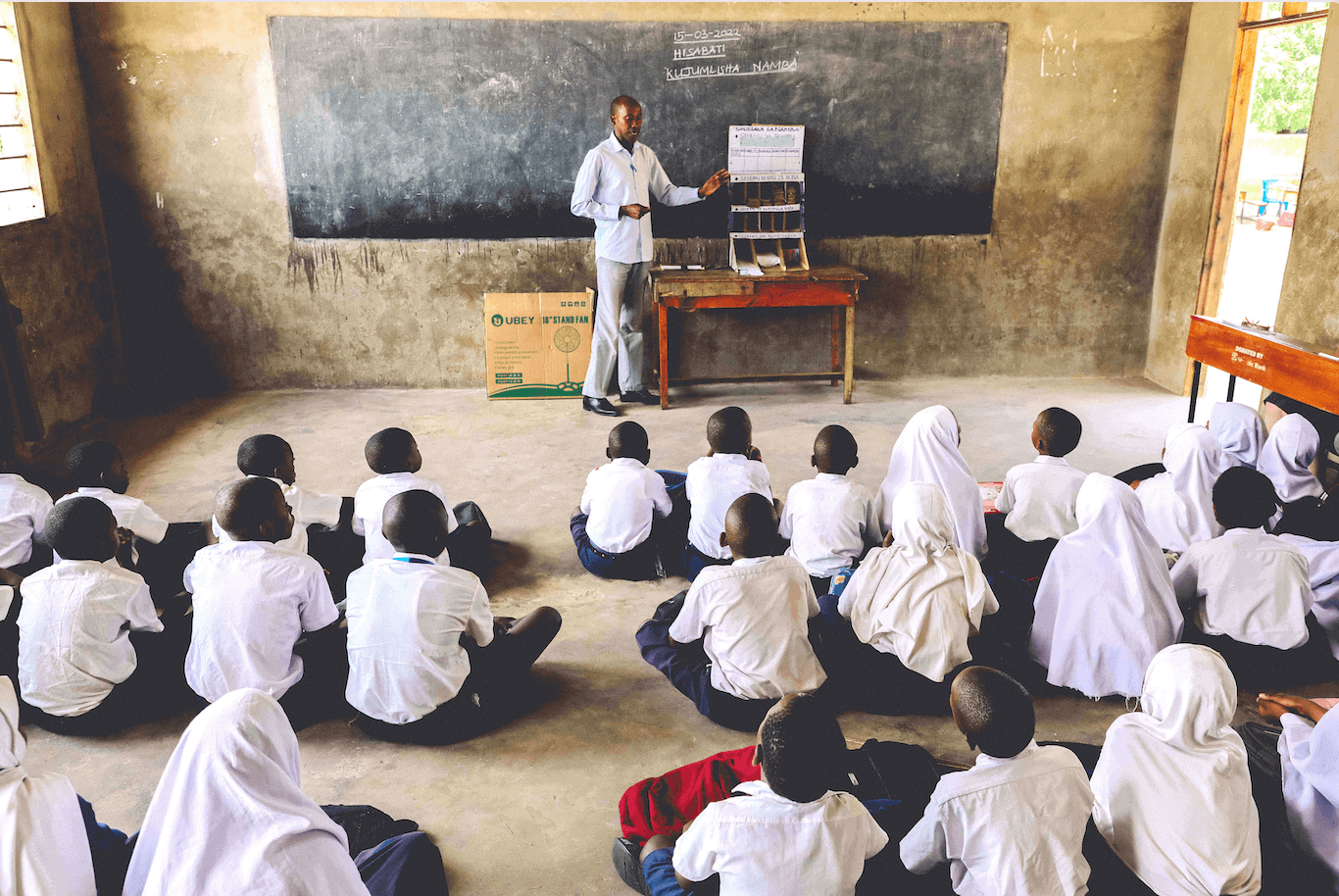
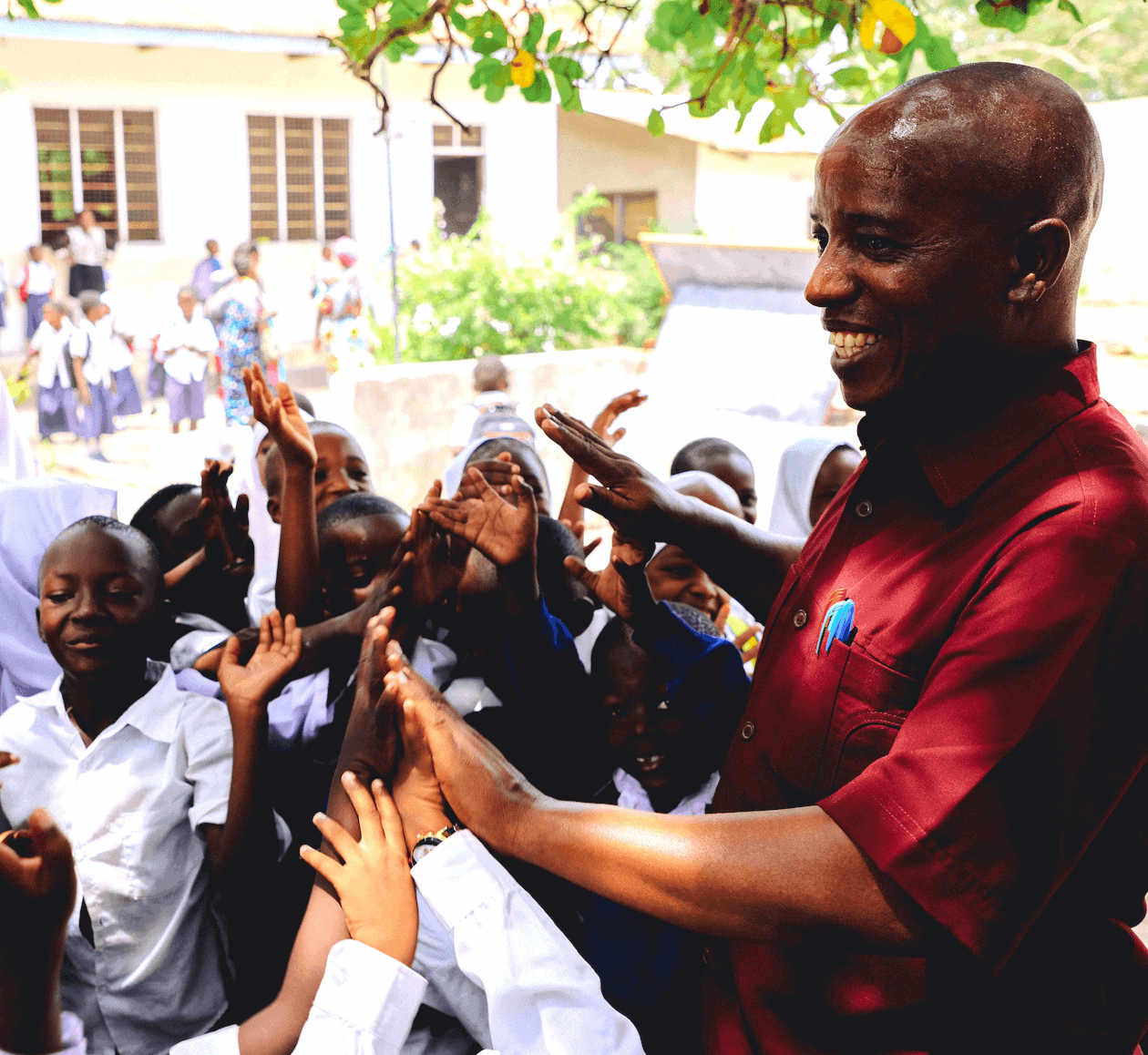
Toangoma Pre and Primary School is an inclusive government school located in Dar es Salaam, serving 4,058 learners, including children with disabilities, supported by 54 teachers.
The school serves a densely populated urban community where many families face socio-economic challenges. Parents are largely engaged in informal employment, which limits the time and resources available to support children’s learning at home. Despite strong community interest in education, many learners enter school with limited exposure to early literacy and numeracy activities.
The school’s key educational priorities include strengthening foundational literacy and numeracy (the 3Rs), improving learner confidence, and ensuring inclusive, engaging teaching approaches for early-grade learners. Teachers observed that many children struggled to read letters, write basic words, and count accurately, which affects progression.
Within this context, the school identified the need for low-cost, interactive, and learner-centred solutions that could improve engagement and mastery of basic skills while accommodating diverse learning needs.
The challenge identified focused on pre-primary learners’ difficulty in mastering basic literacy and numeracy skills (3Rs). Teacher Solomon Mkonyi Wande observed that many children were unable to recognise letters, form simple words, or count accurately.
Evidence supporting this challenge included:
Interviews and discussions with learners and parents highlighted difficulties in practicing skills at home.
Through the Human-Centred Design (HCD) process, Solomon engaged learners, parents, and fellow teachers to better understand the root causes of the challenge. Learners expressed that traditional teaching methods felt difficult and unengaging, while parents noted limited tools to support learning outside the classroom.
These insights guided the decision to design an interactive, hands-on learning solution that would actively involve learners and make literacy and numeracy enjoyable and accessible.
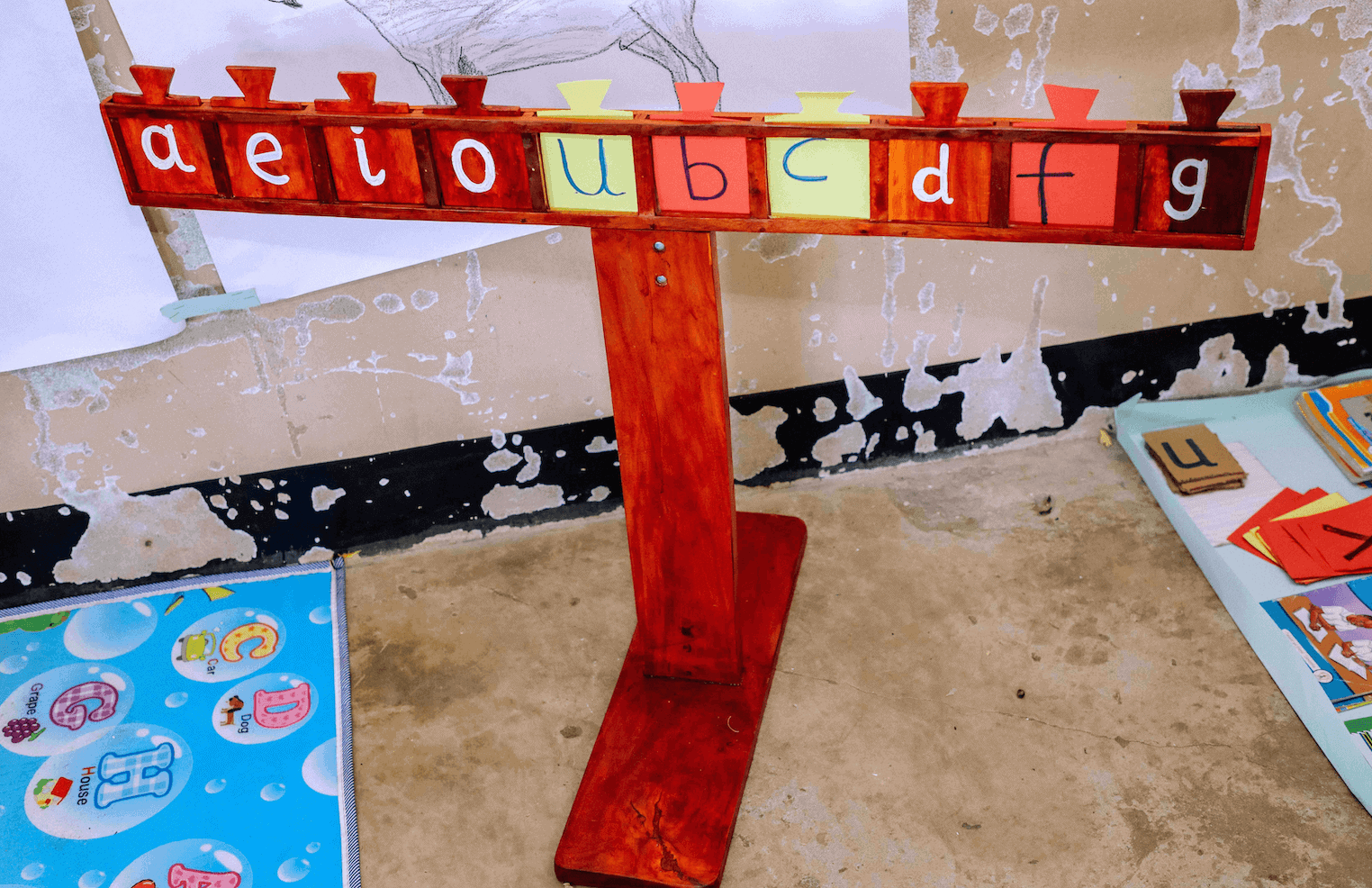
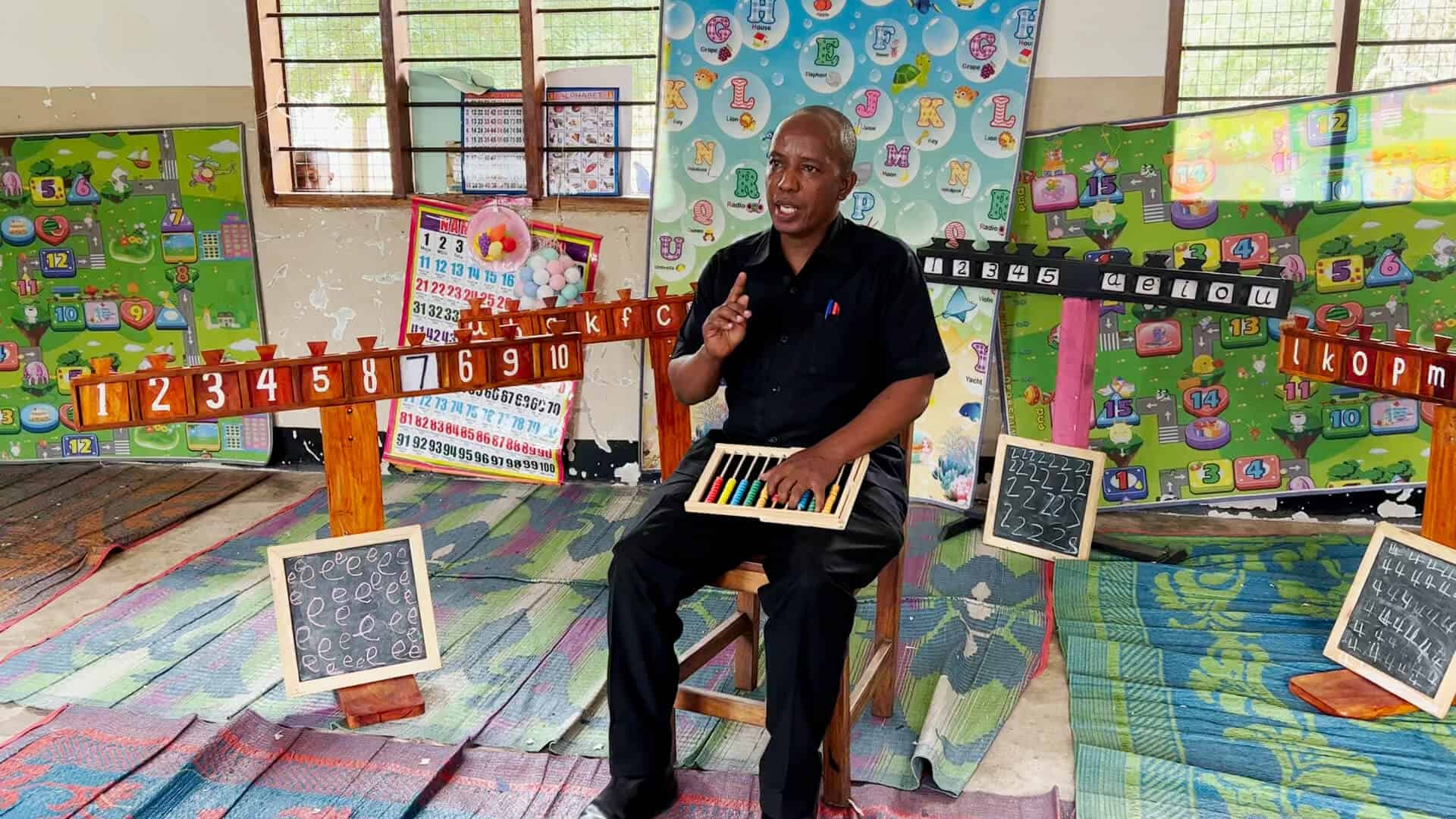
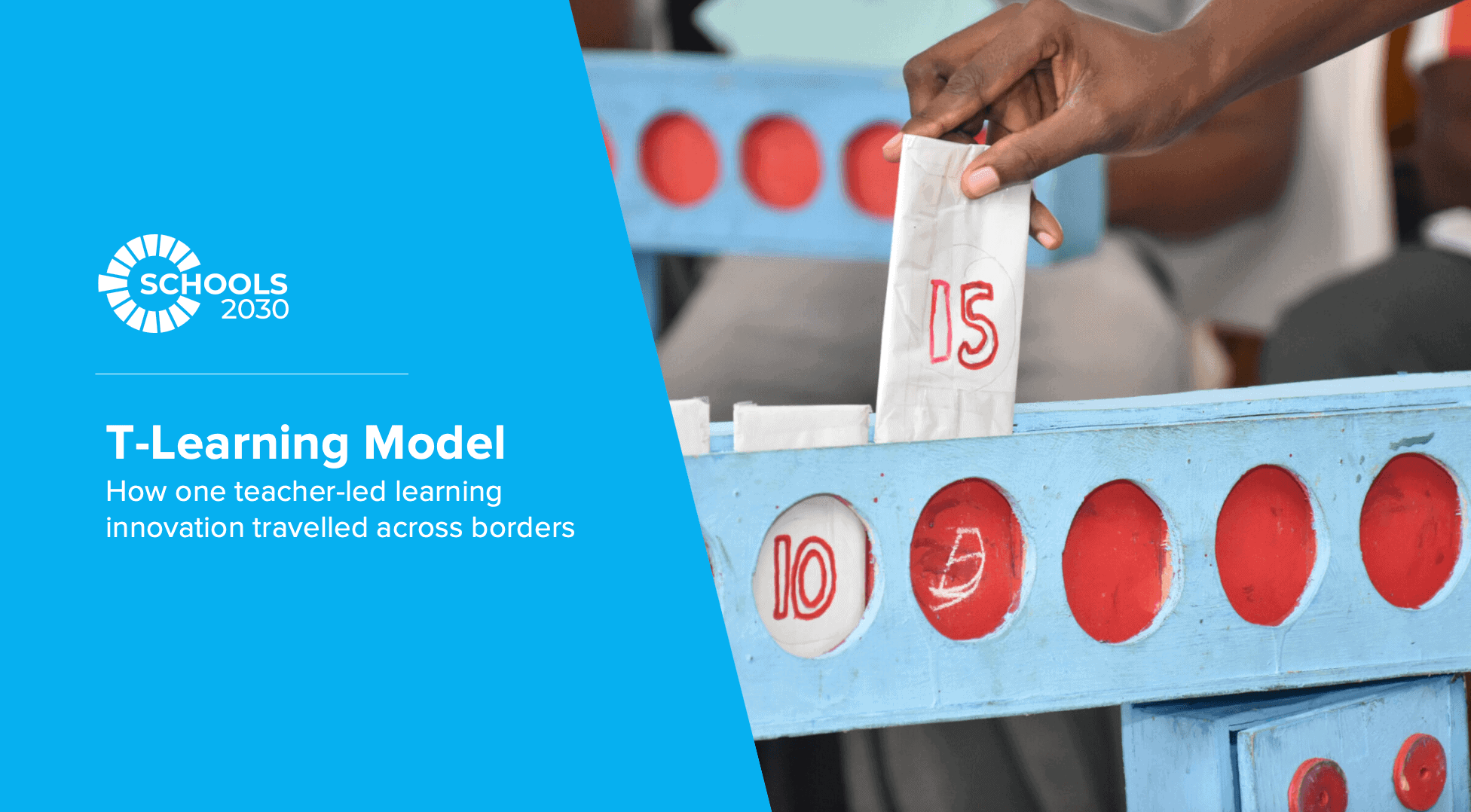
The T-Learning Model is a physical, interactive learning tool designed in the shape of the letter “T”. It is a hands-on pedagogical innovation that supports the teaching of reading, writing, and numeracy through play-based and learner-centred methods.
The model uses kete (cards) containing vowels, consonants, or numbers, which are placed on the horizontal arms of the T-shaped structure. During lessons, the teacher guides learners through interactive activities. For example, a learner is invited to select a letter or number from a mixed pile, identify it aloud, and place it correctly on the structure. This process is repeated with different learners, encouraging participation, peer learning, and confidence-building.
The solution was developed through multiple prototyping phases:
The materials are locally sourced, low-cost, and easy to replicate, making the solution feasible for public schools.
The innovation was implemented primarily in pre-primary classes (ages 4-6), with approximately 120 learners directly involved during the initial phase. But it has also been successfully adapted for Standard 1 and 2 learners (ages 7–8) to teach more advanced numeracy skills such as multi-digit numbers.
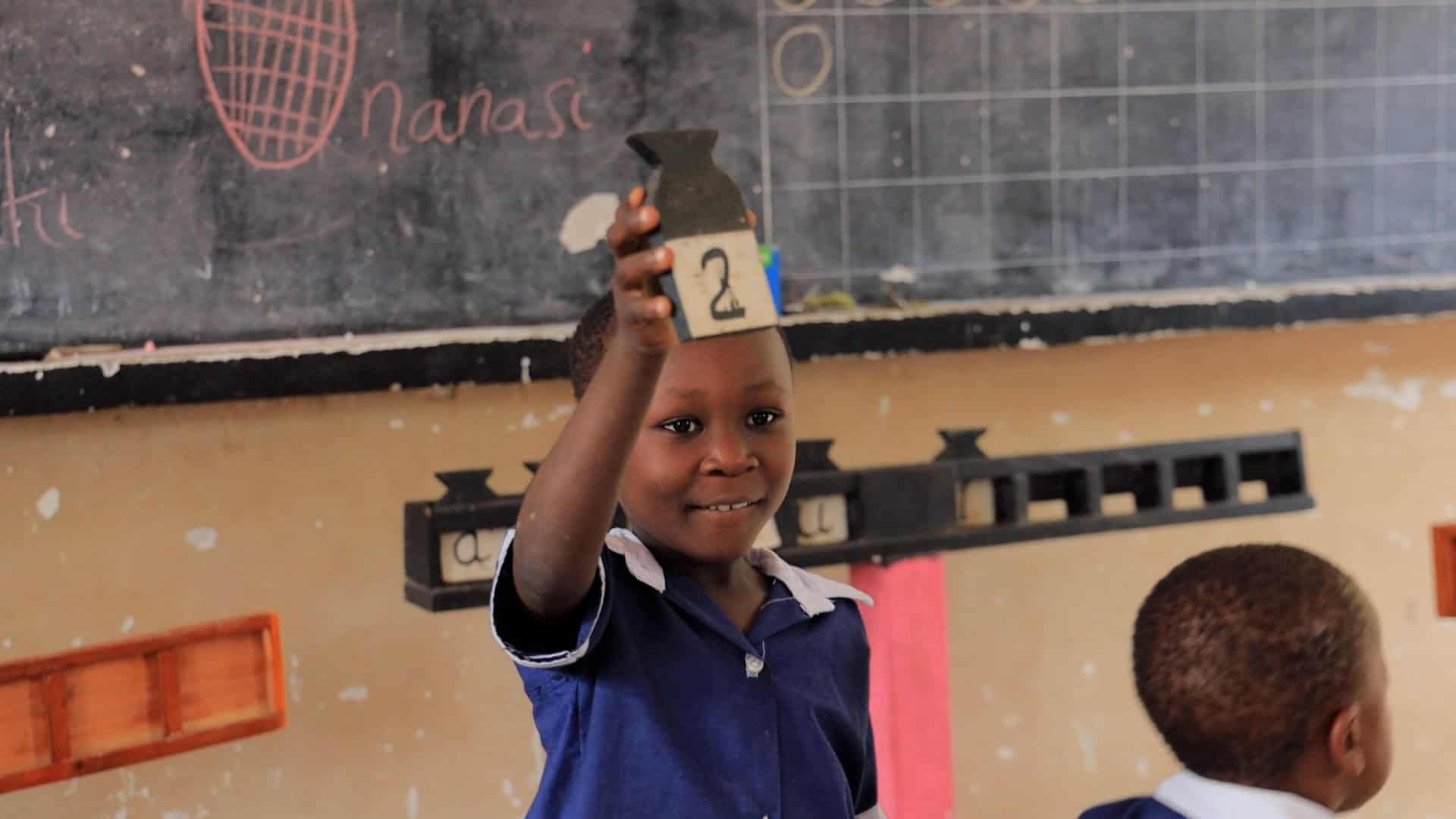
The T-Learning Model has been implemented for a couple of years in multiple pre-primary classrooms, originally at Toangoma Primary School, and in more than 30 primary schools across Tanzania. It has directly reached over 2,400 learners, with particularly strong results among pre-primary pupils.
Before implementation, many learners were unable to read letters, write simple words, or count accurately, leading to poor progression outcomes. After consistent use of the model:
The solution was later tested with Standard 1 and 2 learners, where it proved equally effective in teaching larger numbers and reinforcing foundational skills.
Implementation challenges included initial difficulty in idea generation and prototype durability. These were overcome through collaboration with fellow teachers, continuous testing with learners, and iterative improvements guided by HCD facilitators.
The T-Learning model has had such a profound impact on learning that it is now being used by teachers in Kenya too. Watch the video below to find out how this innovation has been adapted by teachers across coastal Kenya to teach music, geography and all sorts of other subjects.
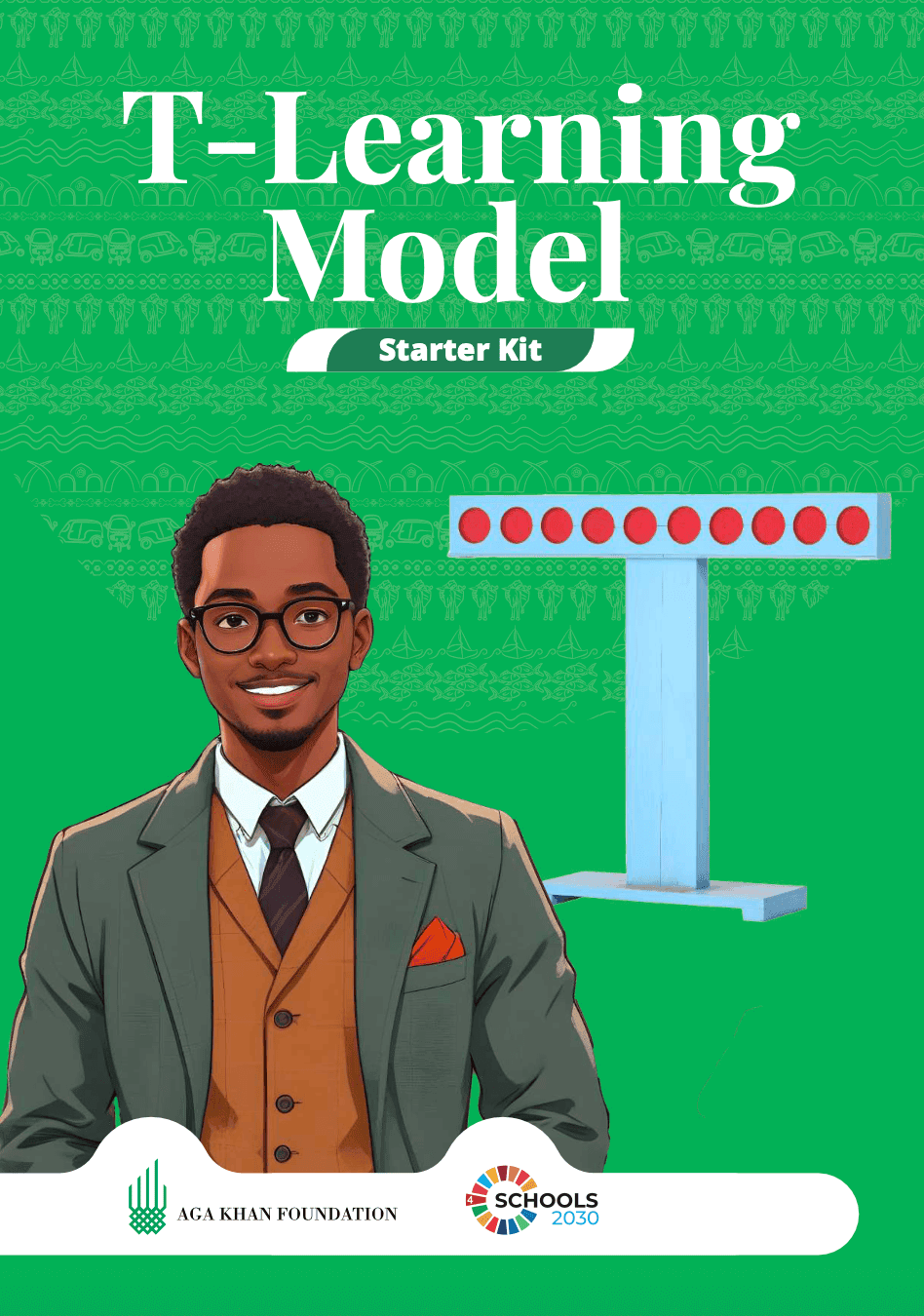
Try using the Starter Kit to create this practice in your own classroom or download the innovation as a pdf to share the story.

