10 Years
Teacher Innovator(s): Suwilanji Boswel
Learning Area Climate Awareness | Numeracy | Respect for the Environment | Science | Taking Responsibility
How might we offer more hands-on learning experiences in science and tackle food insecurity for students?
THE CONTEXT
Mahumbika Primary School

Mahumbika Primary School is located in Mahumbika Village, Kiwalala Ward, Mtama District, in the Lindi region of Tanzania. The school serves 542 students with a teaching staff of 8.

The surrounding community is close-knit, with a strong commitment to education, though it faces challenges such as food insecurity and limited access to innovative, climate-focused educational practices.

Madame Suwilanji Boswel, is a teacher at the school with 30+ years of experience in educational leadership and teaching. Suwilanji is passionate about creating opportunities for students to thrive academically and socially despite she has a lower hearing disability. Living near the school, she collaborates closely with other teachers, parents, and local leaders to enhance the quality of education and address community challenges.

THE CHALLENGE
How might we offer more hands-on learning experiences in science and tackle food insecurity for students?

Students struggled to engage in practical, interactive learning, particularly in science. Lessons on agriculture and environmental education were largely theoretical, leaving students disconnected from real-world applications.

The school community also faced significant challenges with lack of sufficient food for children, impacting their concentration and performance, lack of infrastructure for sustainable projects like gardening, and little emphasis on climate action solutions within the curriculum.

THE INNOVATION
The Vegetable Nursery

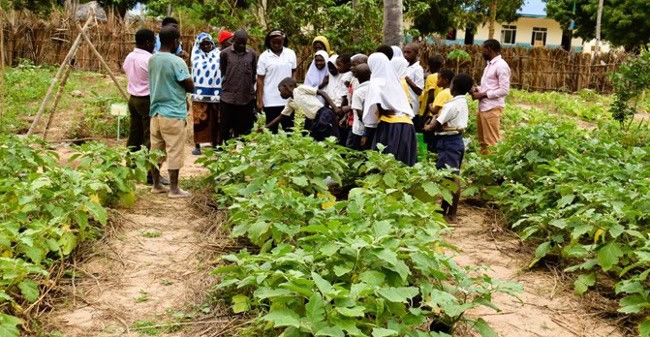
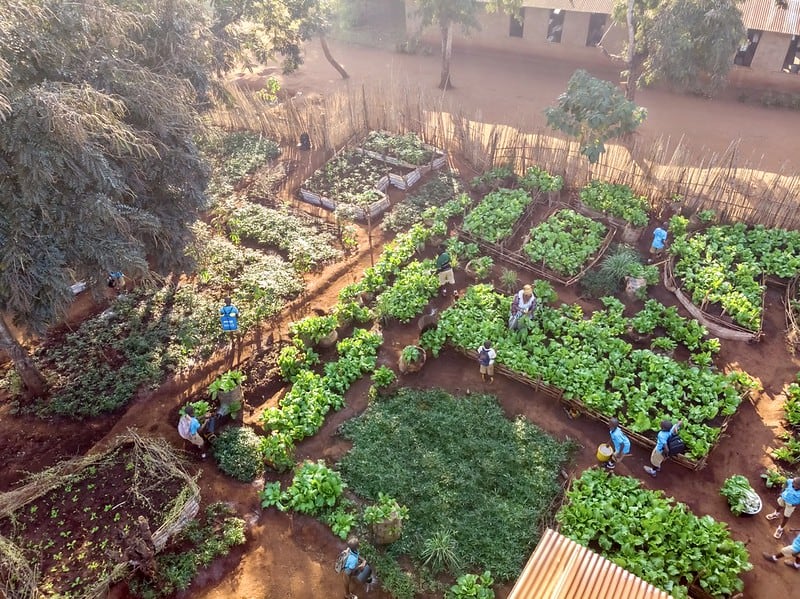
In 2024, Mahumbika Primary School partnered with Schools2030 and teachers underwent HCD training with a focus on integrating climate solutions into the curriculum. This led to the introduction of the Vegetable Nursery, a project aimed at integrating sustainable gardening into the curriculum, addressing both climate challenges and food insecurity.

The initiative was implemented in four steps:

  • Teacher Training – teachers develop skills in practical climate action solutions and in integrating sustainability into their teaching practices.
  • Community Involvement – parents and local agricultural experts contribute knowledge and resources for crop selection, gardening methods, and resource mobilisation.
  • Student Engagement – an eco-club enabling students to take greater ownership of the gardening project, actively participating in planting, tending, and harvesting crops, and aligning this with science learning.
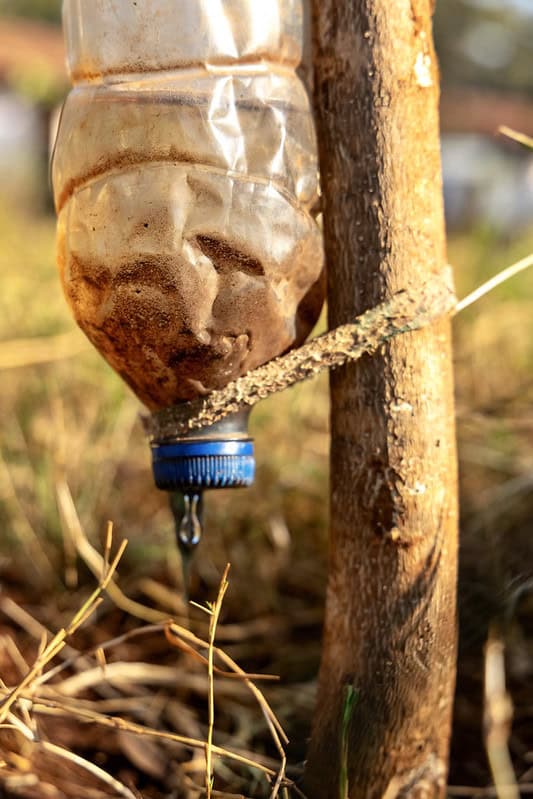
  • Sustainability Practices – introduction of water-saving irrigation techniques and organic fertilisers to promote environmental stewardship.
THE IMPACT
Students gained knowledge, skills, and better nutrition through hands-on gardening

The gardening initiative has transformed the school community, with benefits for learning, health, and livelihoods:

  • Improved Learning Outcomes – Science test scores rose by 30% as students gained knowledge through hands-on practice.
  • Enhanced Nutrition – Vegetables such as spinach, kale, and tomatoes from the garden are now part of the school feeding programme, improving health and focus.
  • Empowered Students – Over 200 learners gained practical agricultural skills, teamwork, and responsibility.
  • Economic Benefits – Surplus produce is sold in the local market, generating income to sustain the project and fund other school needs.
  • Recognition – The project drew praise from the Tunandoto Organisation, which subsequently donated fencing wire mesh to secure the garden, reinforcing community pride and sustainability.


Looking Forward

Building on its success, Mahumbika Primary School plans to:

  • Expand gardening practices to more classes.
  • Organise additional training sessions for parents.
  • Establish a mentorship programme where older students teach younger peers, ensuring long-term sustainability of the initiative.


RESOURCES

Download the story of this innovation in PDF form below.


Our students are now more active and excited to learn because they can see the results of their efforts in the garden. This project has truly transformed our school community.
Beno Kiyeyeu, Headteacher, Mahumbika Primary School
Explore more innovations from Tanzania