10-15 Years
Teacher Innovator(s): Diego Elias, Jaciara Batista, Ana Karina
Learning Area
Collaboration | Empathy | Reconciling Tensions | Respect for Diversity | Self Awareness
How might we foster empathy and collaboration through the learning environment?
THE CONTEXT
CIEJA Campo Limpo
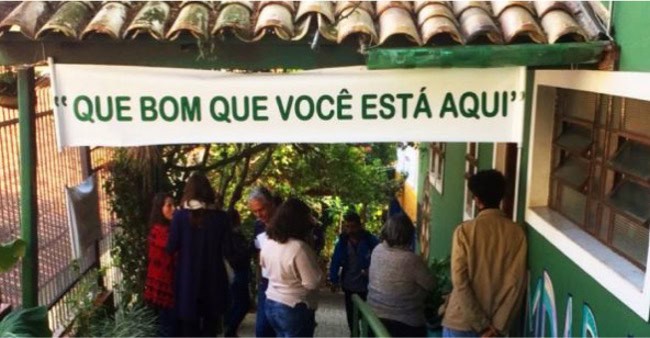
The Campo Limpo Integrated Center for Youth and Adult Education (CIEJA Campo Limpo) is situated in the Capão Redondo neighborhood, located in the southern part of São Paulo, Brazil. The school is deeply rooted in Paulo Freire’s pedagogical principles, which emphasize the importance of students’ prior knowledge and lived experiences. This approach helps in creating strong connections with the Capão Redondo community.
Serving over a thousand young people and adults aged 15 and above, this public school is dedicated to those historically excluded from formal education. By focusing on learners who have encountered systemic educational barriers, the school provides a welcoming and inclusive environment that supports personal growth and academic success.
Capão Redondo is a culturally rich but economically challenged area, where residents often face obstacles to accessing quality education, stable employment, and essential public services. Many students experience social vulnerability, highlighting the school’s critical role in expanding access to valuable learning opportunities.
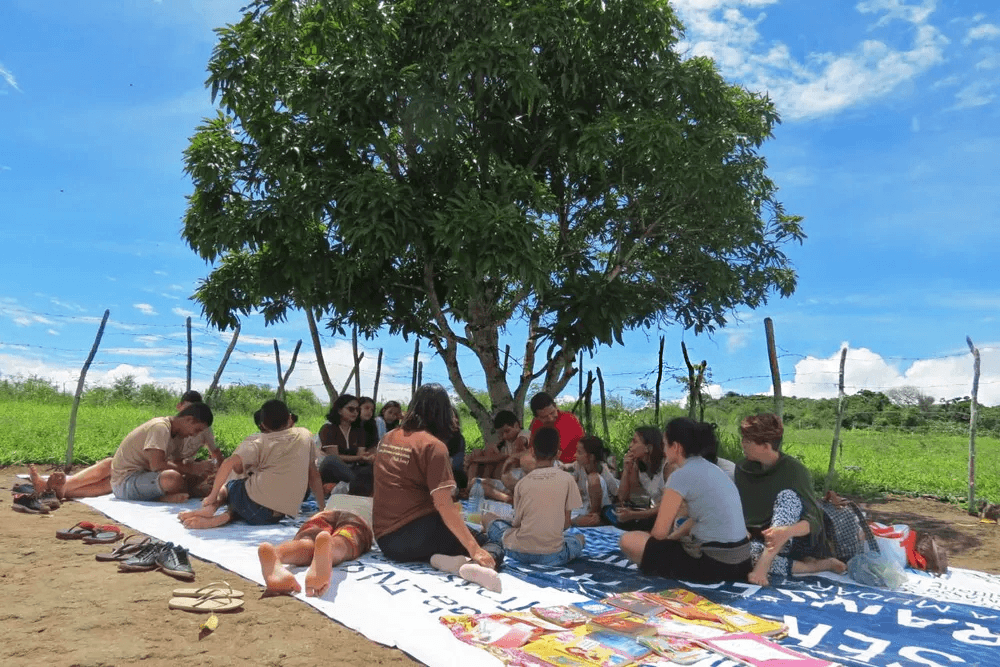
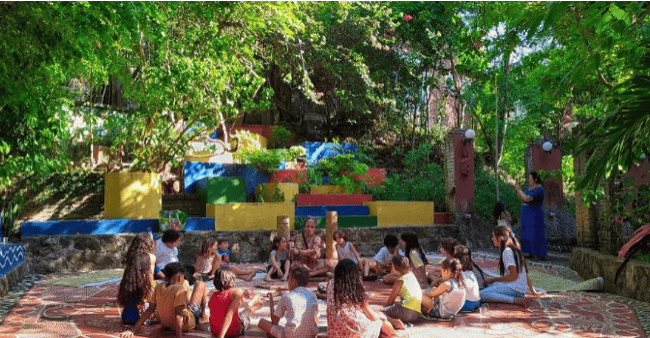
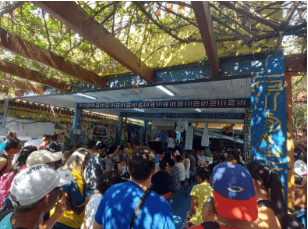
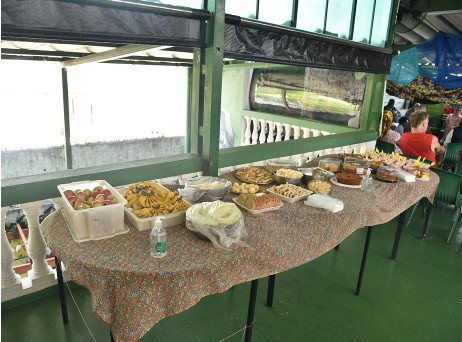
Central to CIEJA Campo Limpo’s mission is nurturing empathy and collaboration. Through action research, student participation is actively encouraged in decision-making processes and the co-creation of a flexible and dynamic curriculum. Initiatives like shared meals and school assemblies foster dialogue, social awareness, and community engagement.
THE CHALLENGE
How might we foster empathy and collaboration through the learning environment?
CIEJA Campo Limpo faced the challenge of student dropout, disengagement, and the emotional toll of the pandemic. Many students returned feeling isolated and anxious, which impacted their learning and participation. To address this, the school prioritized socio-emotional development and a sense of belonging as key pillars for re-engagement.
Through interviews, classroom observations, and post-pandemic assessments, the school recognised an increasing need for inclusive, community-driven interventions. Welcoming strategies have proven to be essential in strengthening social connections and fostering democratic participation.
THE INNOVATION
Welcoming Practices
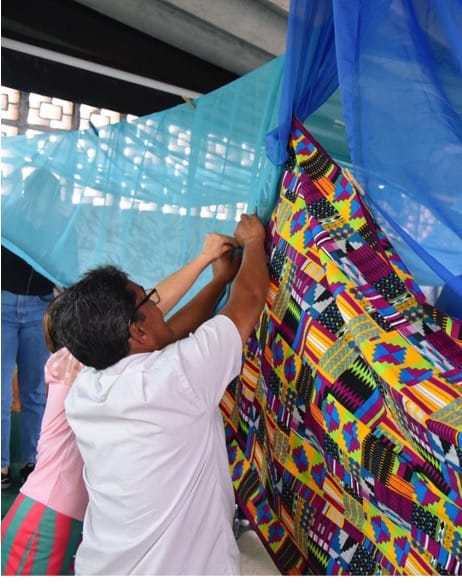
The solution developed by CIEJA Campo Limpo revolves around welcoming practices, which are deeply embedded in the school’s culture and pedagogical approach. These practices include shared meals, assemblies, and the election of generative themes, all of which are designed to foster empathy, collaboration, and a sense of belonging among students.
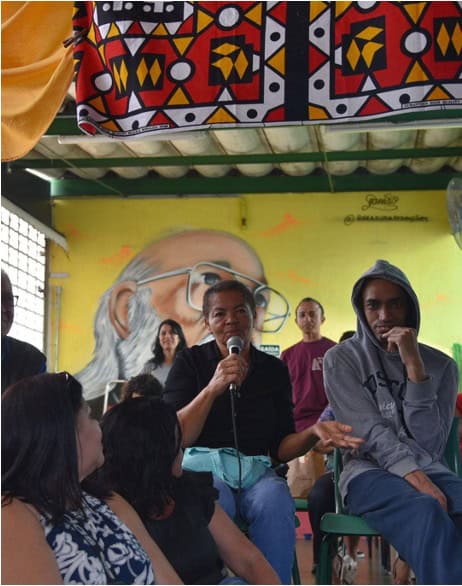
Shared meals serve as moments of sharing and community building, where students and staff come together to eat, discuss, and reflect, creating a space for informal interaction and mutual support. Assemblies, inspired by social movements, provide a democratic platform for students and staff to discuss important issues, make collective decisions, and plan school activities, empowering students to take an active role in their education. The election of generative themes, a process that begins with individual and group discussions and culminates in a school-wide vote, ensures that the curriculum is relevant to students’ lives and addresses real-life issues, further encouraging empathy and collaboration.
These welcoming practices are particularly impactful for the school’s target group—young adults and adults (15 years and older) in the Youth and Adult Education (EJA) program—many of whom have faced significant social and educational challenges. By creating an inclusive and supportive environment, these practices not only address empathy and collaboration but also indirectly promote leadership, self-awareness and creativity.
Despite challenges such as the emotional and social vulnerabilities exacerbated by the pandemic, the school has successfully implemented these practices through action research by intensifying its focus on flexibility, emotional support, and community-building activities, ensuring that students feel welcomed, valued, and empowered in their educational journey.
THE IMPACT
Building belonging, sparking change
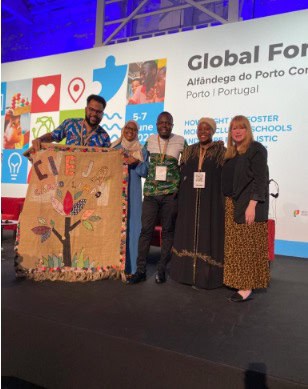
The action research at CIEJA Campo Limpo, initiated in 2023, focuses on the Welcome group, part of Cycle 1, which supports students in early literacy stages, especially those with limited or no prior formal education. Although the initiative is implemented across all classrooms, special emphasis is placed on the Welcome group, providing a nurturing environment for building foundational skills. Data gathered through surveys, interviews, and informal conversations show improved student engagement, a stronger sense of belonging, and heightened awareness of social issues, highlighting the project’s role in promoting inclusion and addressing wider societal challenges.
RESOURCES
When I come to school, I feel truly happy.
Ana Cristina, Student at CIEJA
Explore more innovations from Brazil