10 Years
Teacher Innovator(s): Amoni Anusha
Learning Area
Climate Awareness | Collaboration | Numeracy | Respect for the Environment | Science
How might we create a learning environment that helps students apply knowledge and build practical skills for climate-related challenges?

THE CONTEXT
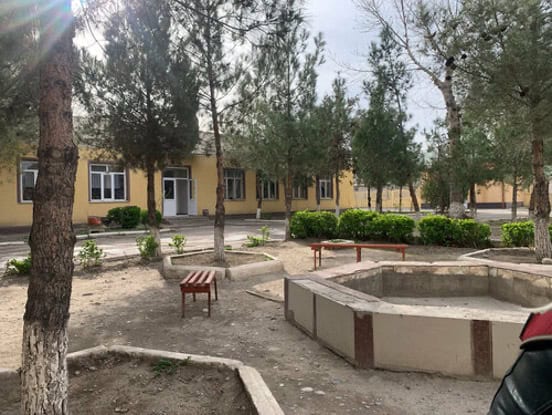
School #4, Buston, Sughd
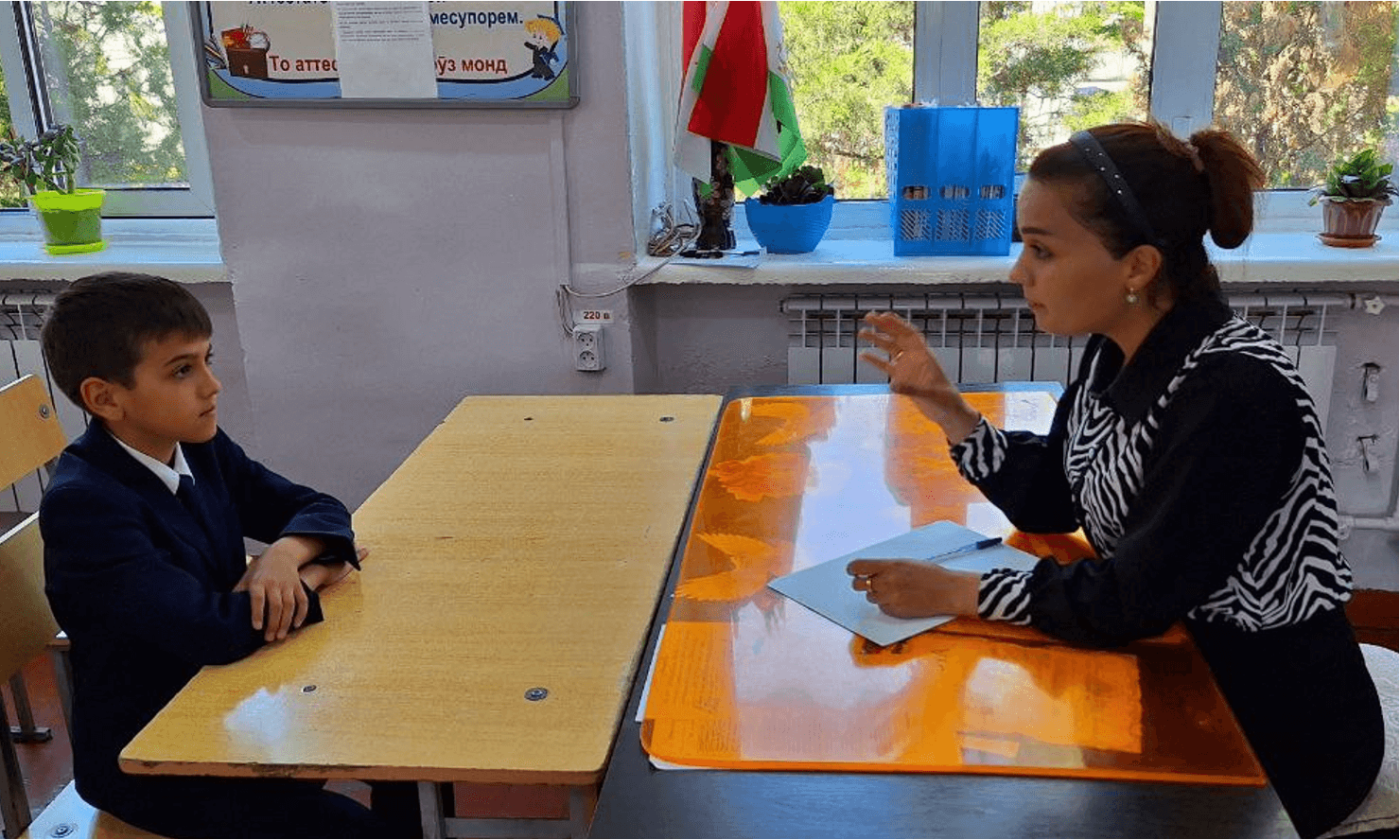
Located in Buston, in Tajikistan’s Sughd region, School #4 serves a diverse group of students in a community increasingly affected by climate change. The area experiences hot weather, heavy rainfall, and dust storms, all of which impact health, well-being, and local livelihoods. Teachers at the school observed that many students struggled with problem-solving and lacked opportunities for practical, hands-on learning. Traditional, textbook-based instruction left little room for creativity or exploration.
THE CHALLENGE
How might we create a learning environment that helps students apply knowledge and build practical skills for climate-related challenges?
Through informal assessments and consultations with students and colleagues, teacher Amoni Anusha identified that learners needed more engaging, inquiry-based experiences to help them apply knowledge and build resilience. Students often found it difficult to connect what they learned in class to the real world — particularly on issues like climate change, which directly affect their daily lives.
The challenge was to design a simple, low-cost, and contextually relevant learning environment that would encourage curiosity, collaboration, and environmental awareness while improving academic outcomes across multiple subjects.
THE INNOVATION
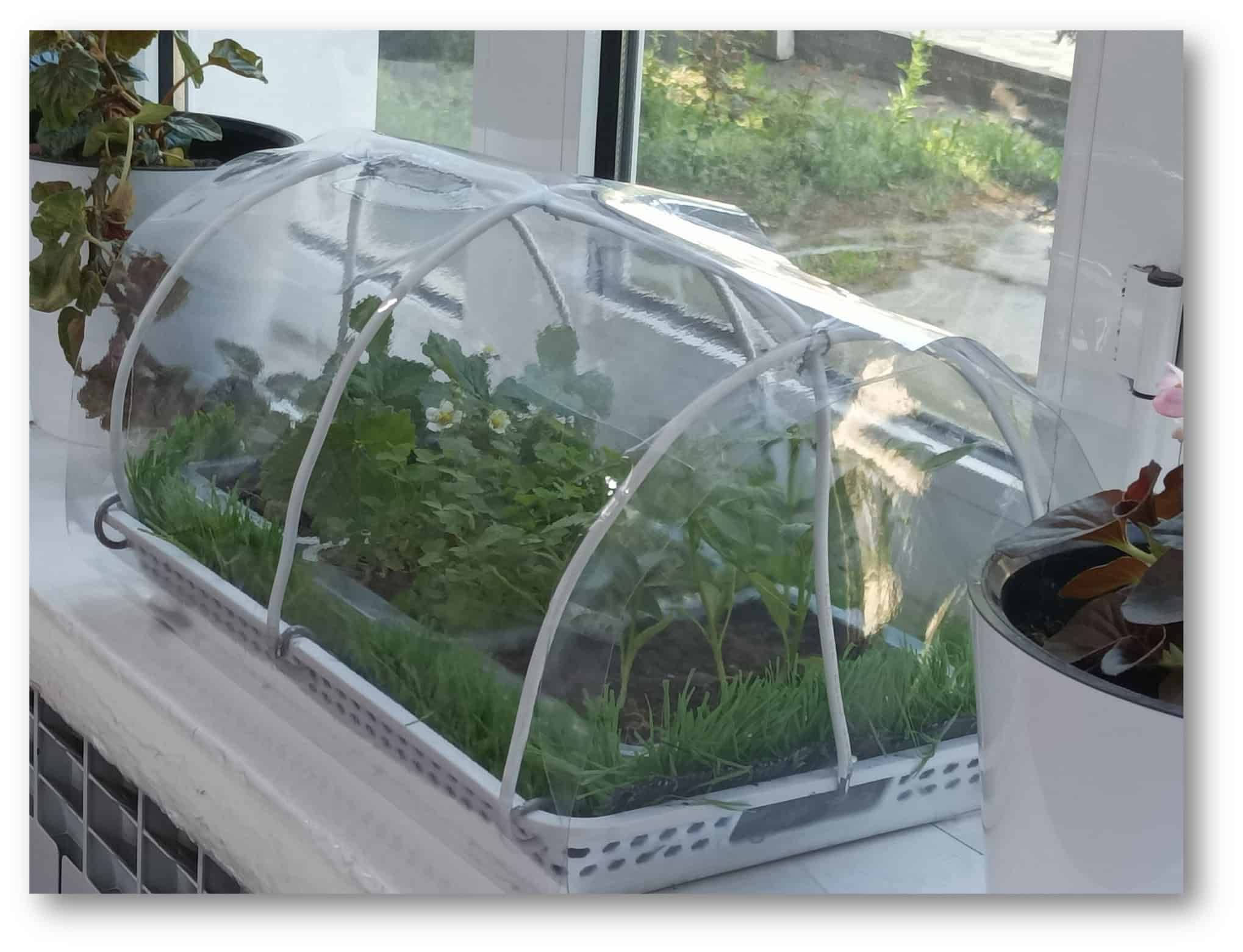
Windowsill Garden
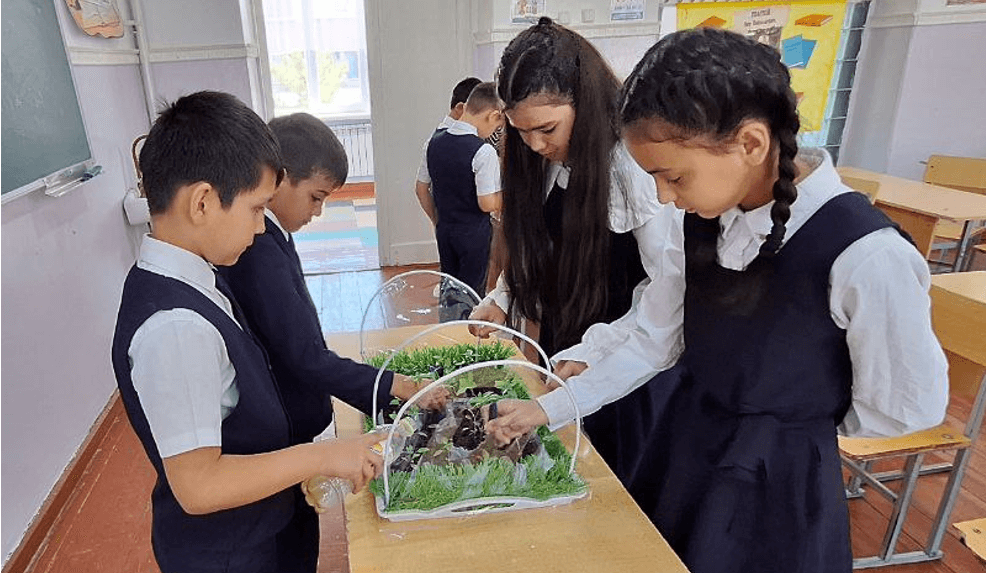
To address this need, Amoni Anusha and her Grade 4 students created a Windowsill Garden inside their classroom. Using recycled containers and locally available materials, students planted herbs and vegetables such as basil, dill, tomato, cucumber, and green onions. Each student was responsible for researching, documenting, and caring for a plant, tracking its growth through observation logs and data tables.
The garden became an integrated learning platform where science, mathematics, and literacy were taught through real-world applications. Students calculated growth rates, wrote reflective essays about their plants, and discussed environmental care in class. Beyond academic content, the activity promoted teamwork, empathy, and shared responsibility for the classroom environment.
THE IMPACT
Improving problem-solving, collaboration, and environmental awareness
The Windowsill Garden transformed the classroom into an active, collaborative learning space. Students became more confident, curious, and willing to experiment. They learned to connect environmental concepts with daily life — reducing plastic use, maintaining cleanliness, and promoting healthy eating. Teachers reported greater student motivation, improved problem-solving skills, and stronger collaboration among peers.
The initiative also enhanced students’ understanding of climate resilience and sustainable living. By observing and nurturing plants, learners developed a tangible awareness of how small actions can positively affect their surroundings. The project demonstrated how a simple classroom innovation can link environmental education with broader cognitive, social, and emotional development — offering a practical model for integrating climate education into everyday learning.
RESOURCES
Download the story of this innovation in PDF form below.
The windowsill garden helped my students think beyond the textbook and discover that even small spaces can bring life, learning, and care for nature.<br />
Amoni Anusha, Teacher, School #4, Buston
Explore more innovations from Tajikistan