5 Years
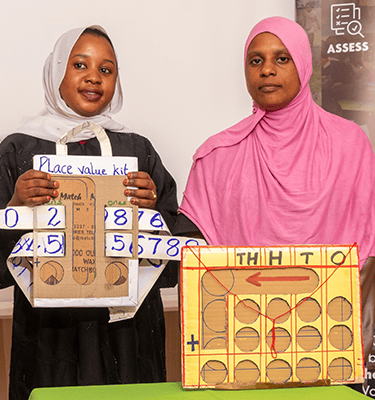
Teacher Innovator(s): Mwanaisha Mwacheruphe
Learning Area
Collaboration | Communication | Creativity | Critical Thinking | Literacy
How might we improve early literacy and get parents more involved?
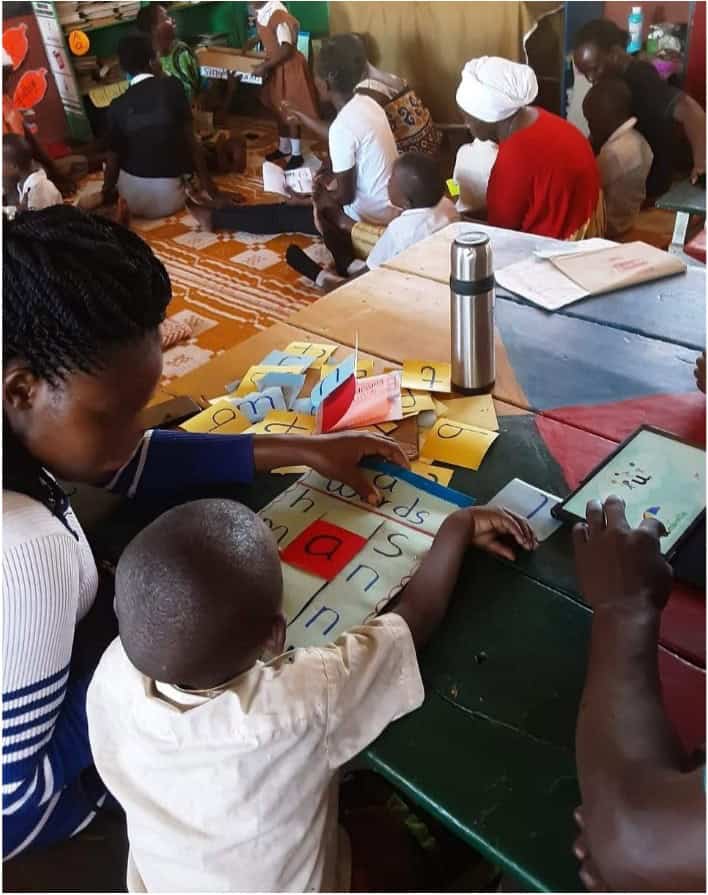
THE CONTEXT
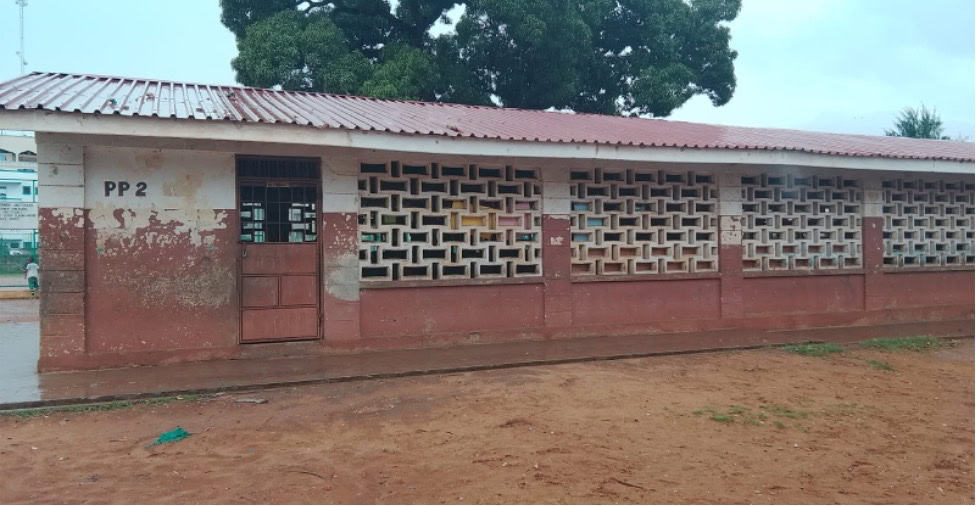
Kongowea Primary Early Childhood Development (ECD) Centre
Kongowea Primary ECD, located near the vibrant and congested Kongowea Market and surrounded by Matopeni Slums, serves a total of 75 ECDE learners (38 boys and 37 girls) and a broader school population of 128 students. The school faces significant educational challenges rooted in the surrounding environment—noise, overcrowding, and the socioeconomic struggles of many parents who work long hours or face issues such as illiteracy, substance abuse, or single parenthood. These factors contribute to limited parental involvement and disrupted learning.
“I love seeing children progress from the known to the unknown, reading confidently and interacting with others. My dream is to see more children enrolled in ECDE and to have more resources to support their learning.”
Mwanaisha Mwacheruphe
THE CHALLENGE
How might we improve early literacy and get parents more involved?
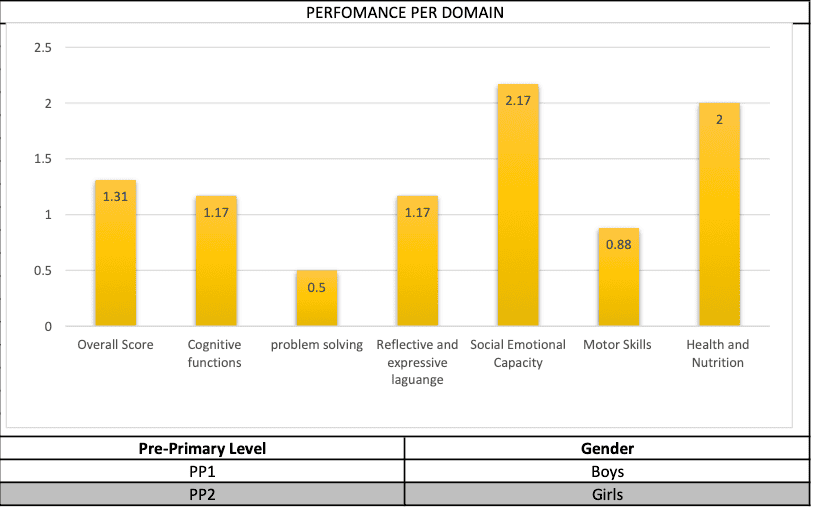
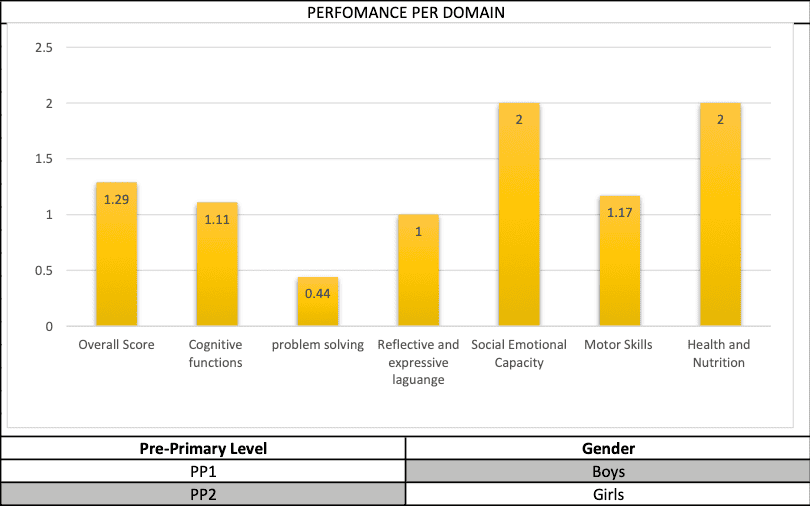
A major challenge faced at Kongowea Primary was low cognitive functioning in literacy, particularly in reading skills. By the age of 5, many learners were still unable to identify single sounds, blend plain syllables, form three- to four-letter words, or read simple sentences – skills expected at this stage of early education.
This challenge was identified through systematic data collection using learning assessment, direct classroom observations, and discussions with teachers. The findings consistently highlighted significant reading difficulties among learners, underscoring the urgent need for targeted literacy interventions.
The innovation is good because it helps parents know the progress of their children and assist them at home. I also learned many things about ECDE - the teachers explain how children read so that we can help them too.
Milicent Achieng, Parent
THE INNOVATION
Nurturing a Reading Culture
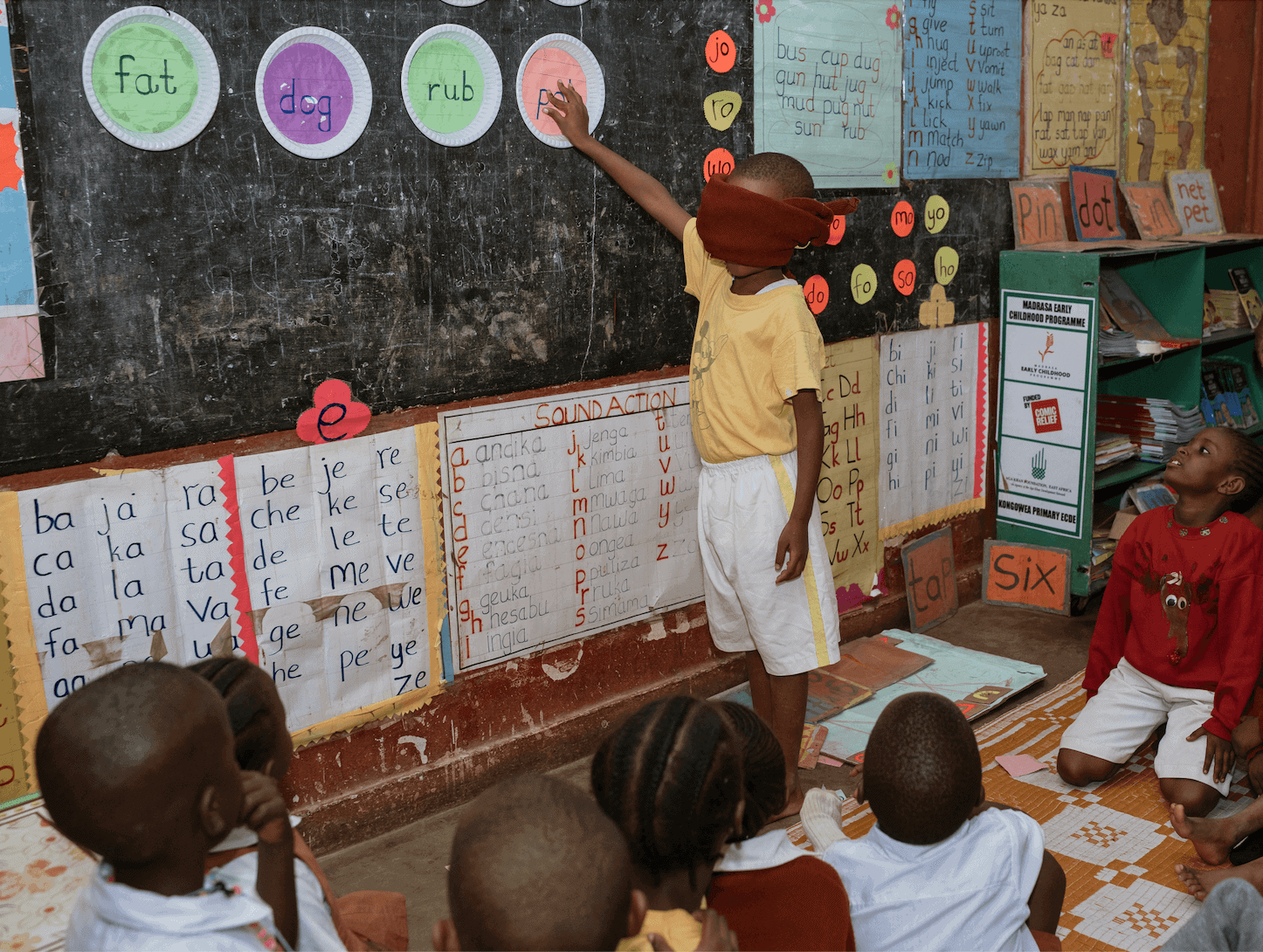
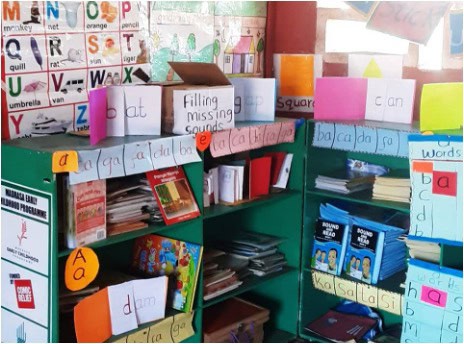
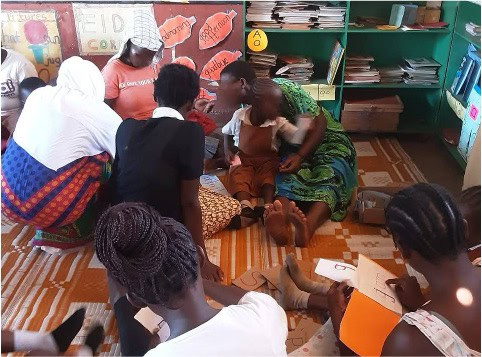
To strengthen early literacy, Kongowea Primary introduced a reading initiative focused on nurturing a reading culture both at school and home. A dedicated reading area was established, stocked with flashcards, storybooks, picture books, letter cutouts, and digital tools to engage 5-year-old learners. Parents were sensitized on the importance of early education and involved in collecting and creating materials, while partners like AKF and Mombasa County supported resource provision.
Challenges included low parental turnout due to busy market schedules and parental illiteracy, which hindered reading support at home. These were addressed by shifting reading sessions to early mornings and guiding parents during joint reading activities.
THE IMPACT
A shared reading culture to transform early literacy
Despite obstacles, the initiative has fostered a stronger reading culture and enhanced learner engagement, creativity, and confidence in literacy. It has been implemented over the past three years, reaching three cohorts of learners, and has consistently demonstrated positive results. Learners have shown marked improvement in reading readiness, progressing from recognizing syllables to reading three- to four-letter words and simple sentences with growing fluency.
Beyond literacy, the programme has contributed to the development of self-confidence, holistic growth, and key competencies such as communication, collaboration, and critical thinking. It has also helped nurture essential values, laying a strong foundation for lifelong learning and personal development.
I was happy to have many materials for reading in my class and at home. I was also happy to see my mother coming to school. She helps me read at home.
Julius Ochieng


RESOURCES
Download the story of this innovation in PDF form below.
I can read sounds and letters and syllables and also pictures. I love my class because there are many things to play with.
Mohammed Abubakar
Explore more innovations from Kenya