15 Years
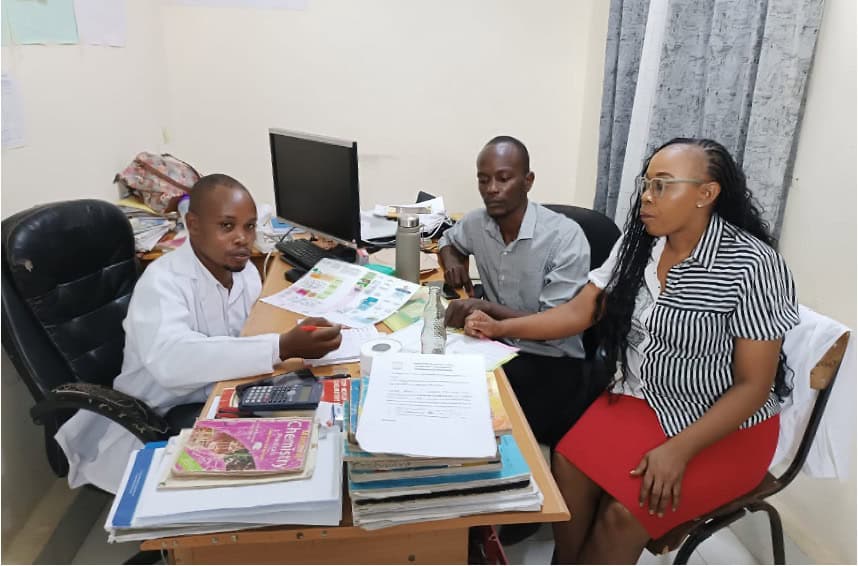
Teacher Innovator(s): Ray Chitema, Clive Ndemo, Rebecca Asikoye, Vallary Aluoch
Learning Area
Building Confidence | Empathy | Relationship Building | Taking Responsibility
How might we encourage students to build self-esteem and confidence?
THE CONTEXT
Frere Town Secondary School, Mombasa
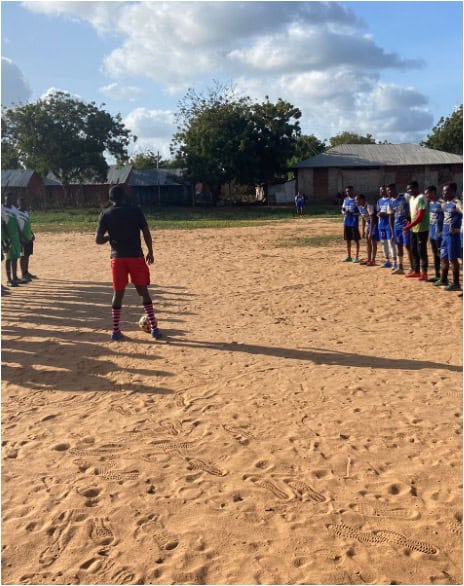
Frere Town Secondary School, a mixed day school located in Frere Town, Mombasa, has a population of 822 learners across 13 streams, with approximately 65 students per classroom. The school serves a vibrant and diverse community with varying beliefs, cultures and values. However, it faces significant educational challenges, including drug abuse among some learners, truancy, low self-esteem, poor attitudes toward education, and inadequate parenting. Infrastructure is also a concern, with insufficient classrooms and a low teacher-to-learner ratio.
THE CHALLENGE
How might we encourage students to build self-esteem and confidence?
Low self-esteem among students is a significant challenge that affects their academic performance, social interactions, and overall well-being. Many students struggle with a lack of motivation and confidence, often stemming from limited recognition or support at home or among peers. This can lead to feelings of inadequacy, stigma, and disengagement from learning. Without proper intervention, low self-esteem can hinder students’ ability to set goals, take on challenges and reach their full potential, creating a cycle of underachievement and negative self-perception.
THE INNOVATION

The Self-Esteem Booster
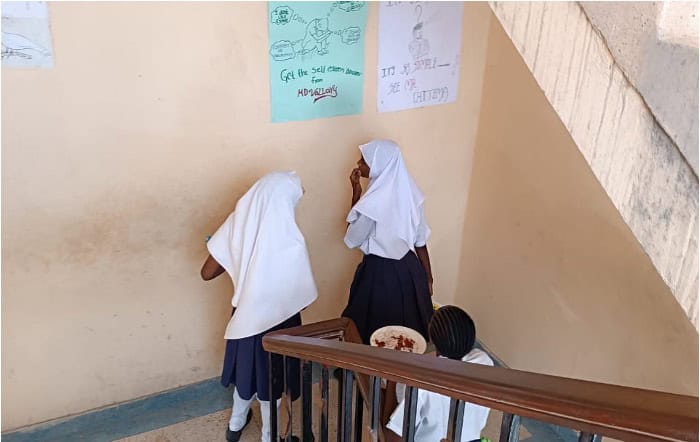
To address low self-esteem among learners aged 13 to 16 years, the teacher conducted assessments using questionnaires, oral observations, and class observations during various activities, focusing on digital literacy and responsibility. Learners with low self-esteem were identified based on their responses and observed behaviours. Those with high self-esteem underwent training on peer guidance and counselling skills, facilitated by the design team and a counselling expert. These trained peer counsellors then used their knowledge to support their peers, fostering a caring environment. The team also received training on information privacy to ensure confidentiality in their interactions. Weekly follow-up meetings are held to monitor progress and engage learners in activities designed to further boost self-esteem.
THE IMPACT
A knock-on positive effect on other studies
The innovation was tested over a one-year period across four classes. The team evaluated assumptions of desirability, feasibility, and viability. The guidance and counselling programme received positive feedback from both students and administration. Out of 40 students who responded to questionnaires, 25 were identified as having low self-esteem. 15 peer counsellors were trained to support the 25 learners with low self-esteem. Initial assessments have revealed that student confidence has built through this initiative, which is having a positive impact, in turn, on their other studies.
Assessments will continue to be conductive on a formative basis to understand the impact the peer counsellors are having on a longer-term basis. The team plans to invite other teachers to test the innovation in their classrooms.
RESOURCES
Download the story of this innovation in PDF form below.
Explore more innovations from Kenya