11-12 Years
Teacher Innovator(s): Huma Tarin, Shafiq Rasoli, Maliha Wahidi
Learning Area
Climate Awareness | Creativity | Critical Thinking | Literacy | Numeracy | Relationship Building | Respect for the Environment | Science
How might we ensure every student has an active voice in the classroom?
THE CONTEXT
Zarina Girls' High School, Baghlan
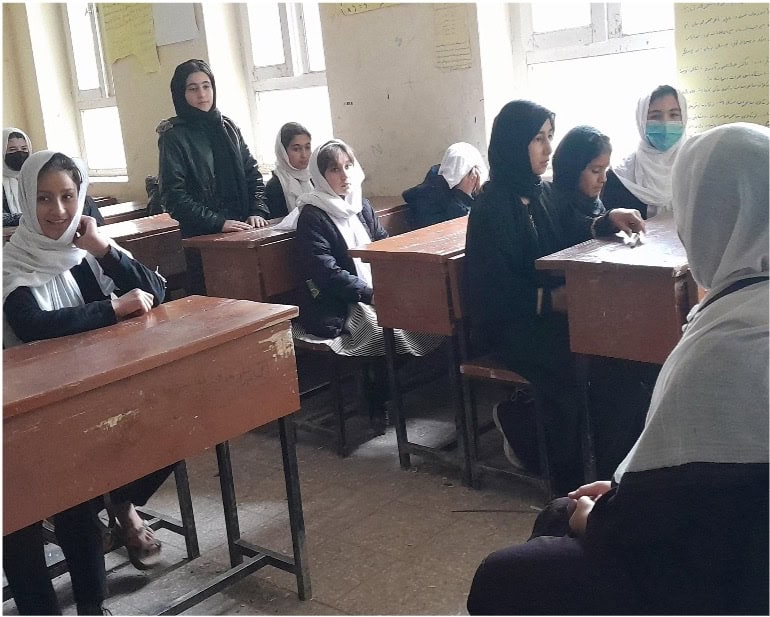
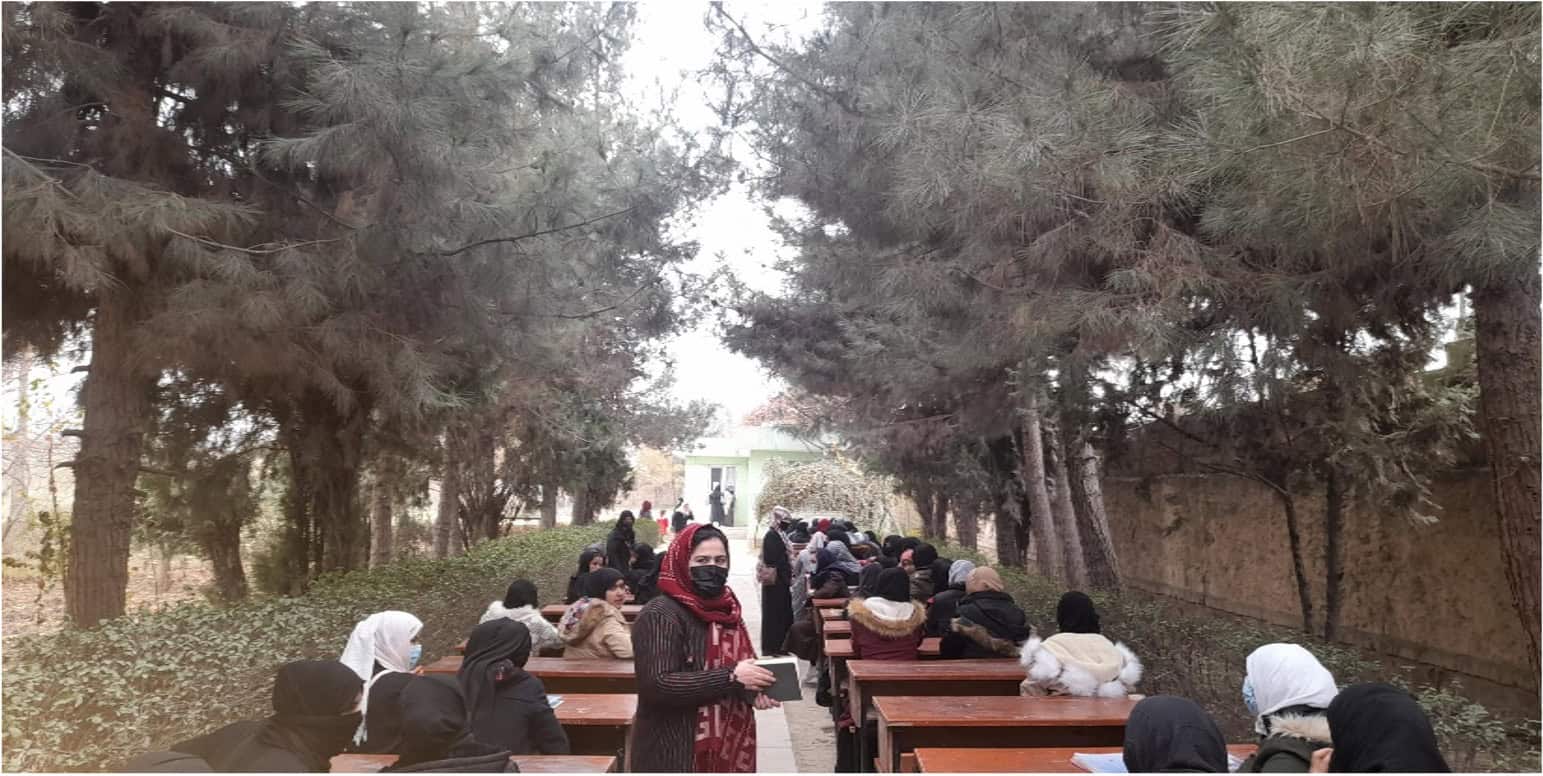
Zarina Girls’ High School sits in Baghlan Sanati, a semi-urban district of Baghlan Province, serving over 2,000 students across 14 surrounding villages. It is one of the most prominent schools in the Central District, with a strong track record of placing students into higher education. Like many schools in the region, however, it operates in a resource-constrained environment — short on textbooks, materials, and teaching aids — making effective, engaging instruction a persistent challenge.
THE CHALLENGE
How might we ensure every student has an active voice in the classroom?
Sixth-grade students at Zarina were struggling across both academic and non-academic areas. In the classroom, they found it hard to write essays, read texts fluently, and solve mathematical problems. Beyond the curriculum, many lacked the confidence to communicate with peers, grasp lesson concepts, or voice their own opinions. The school’s Human-Centred Design (HCD) team identified a root cause running through all of these difficulties: students were largely passive, marginalised from active participation in lessons and excluded from social and extracurricular activities. As a result, their abilities were falling behind what was expected for their grade.
THE INNOVATION
Snowball
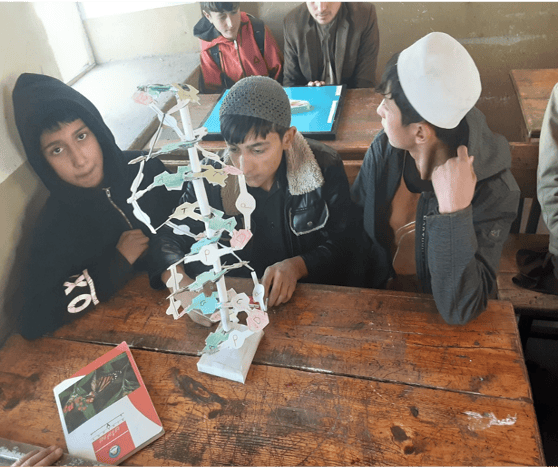
The design team’s response was a method they called Snowball — built on a simple idea: more participation leads to faster learning and better understanding. In every lesson, no student is a bystander. Each girl contributes her thinking to a problem or topic, and places a paper snowball model on the table as she does so. Gradually, the snowballs accumulate into one large pile — a physical, visible sign that every voice has been heard and that knowledge is building collectively.
The method was woven into a set of complementary activities spanning literacy, numeracy, critical thinking, and climate action:
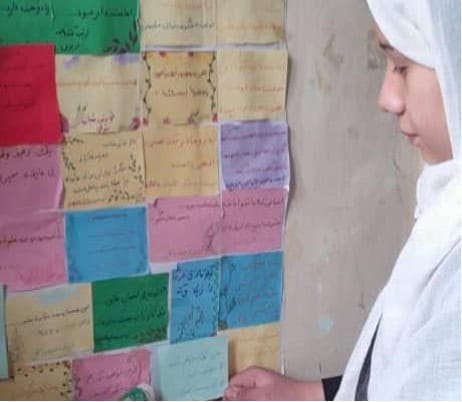
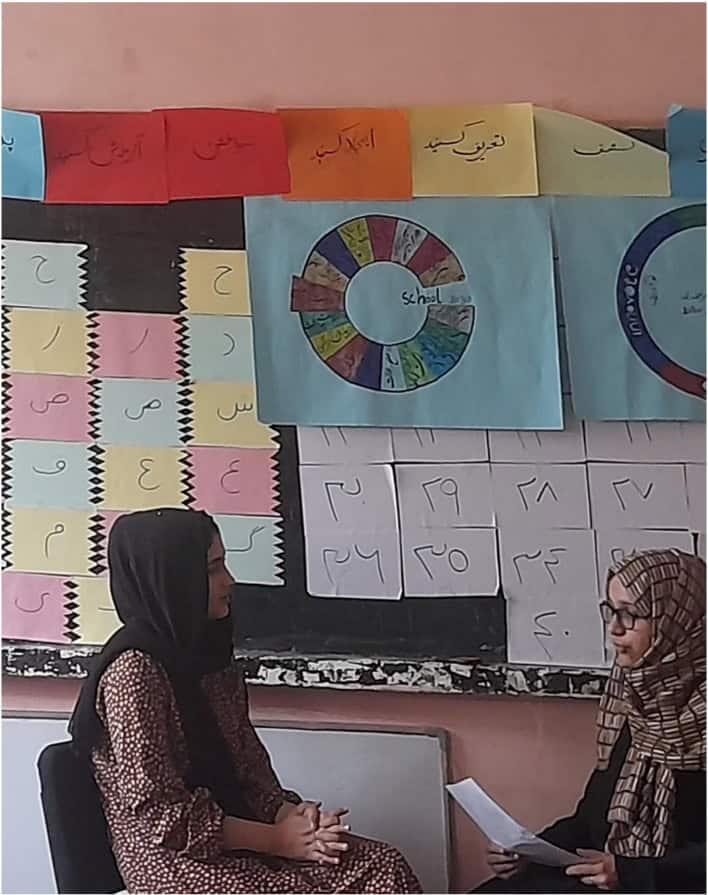
- Message of the Day — Students write a positive message each day on a card or sticky note and pin it to the class board, building sentence-writing skills and positive habits of mind.
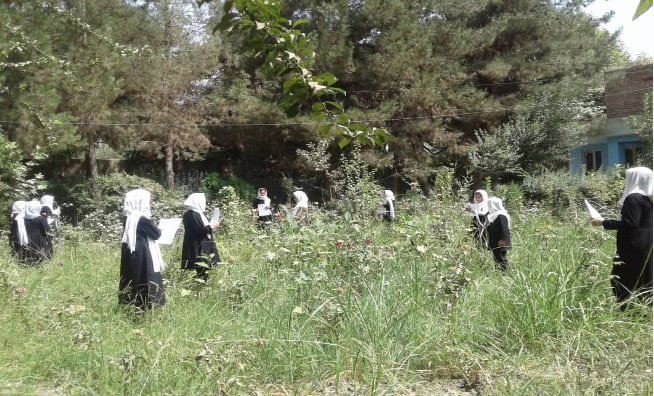
- Passerby Activity — On their way to and from school, students record observations in their notebooks — noting the time, place, and date — and reflect on what they saw. This develops critical thinking and story-writing skills.
- News Activity — Once a week, groups of students research TV and online news, select the most important stories, and present them to the class. The activity strengthens listening, memory, essay writing, and coherent expression.
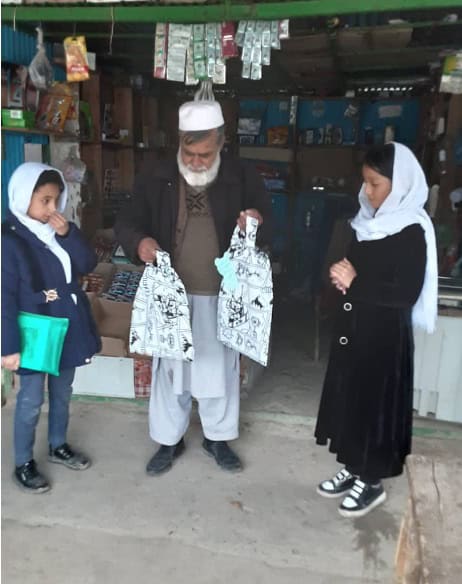
- Climate Change Action — Students used the school’s tailoring room to sew reusable fabric and paper bags from newspaper and fabric scraps, which they then distributed free to local shops to promote alternatives to plastic.
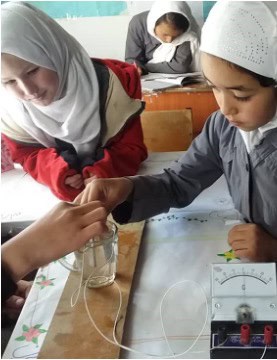
In Maths, students practised arithmetic through buying-and-selling simulations, linguistic maths tasks, and making measurement units from materials found in their environment.
THE IMPACT
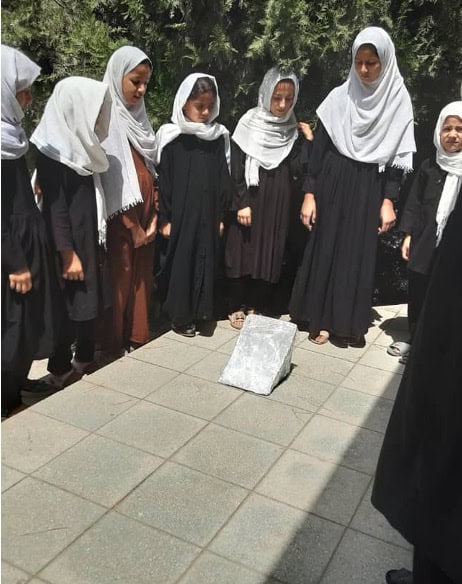
Improved participation, literacy, and numeracy among marginalised learners.
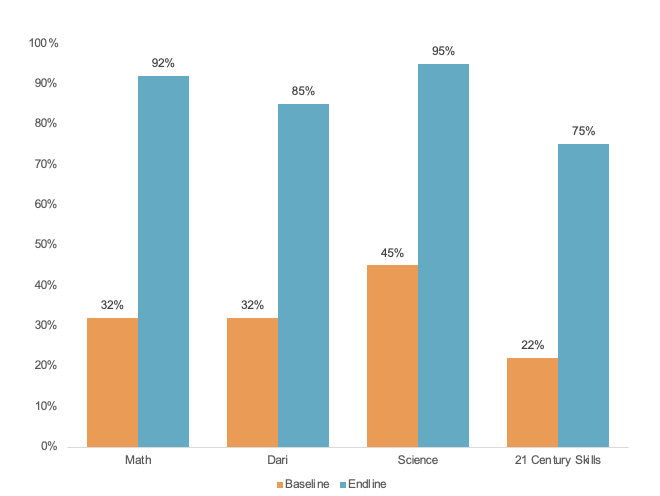
The Snowball method transformed how sixth-grade students at Zarina engage with learning. Academic skills — sentence writing, story writing, text coherence, and mathematical reasoning — all improved measurably, as shown by the school’s baseline-to-endline assessments. Equally striking were the gains beyond the curriculum: students developed stronger critical thinking, cooperation, comprehension, and a sense of responsibility. Their climate action work rippled out into the wider community, normalising the use of cloth and paper bags in local shops and reducing plastic waste in the area.
Today, the school shares its HCD-designed innovations with colleagues through weekly staff training sessions, embedding the approach across the whole curriculum. The principal notes that both student learning and teacher practice have improved substantially compared to five years ago — and that Snowball’s sixth-graders have become role models for the rest of the school.
RESOURCES
Download this innovation.
This process has really had a tremendous impact on the curriculum system of our school.
Toorpakay Sidiqi, School Principal
Explore more innovations from Afghanistan