
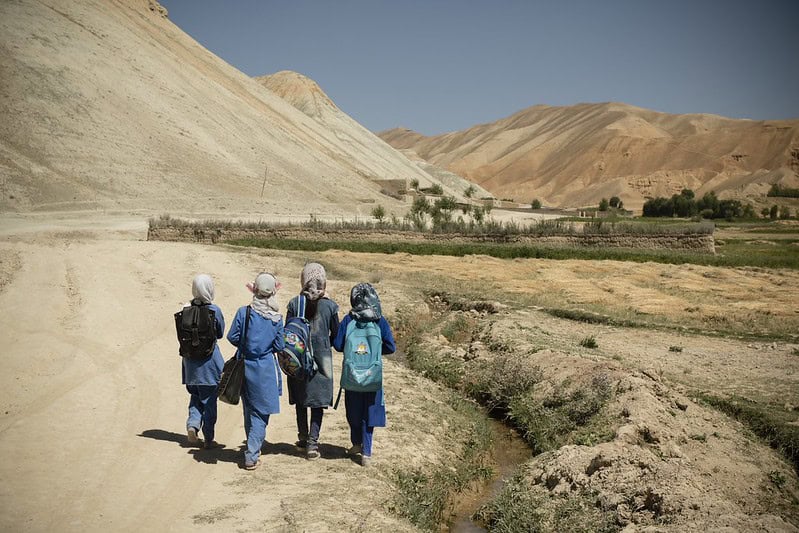
The stories highlighted below are only a tiny snapshot of the activities that happen every day, as we work towards a world where access to high quality, inclusive education is the right of every child, everywhere. They are a testament to the commitment, creativity, and collaboration of our educators, partners, and teams around the world. Through our work, we are laying the foundations for long-term change – strengthening partnerships, gathering evidence, and building the structures needed to ensure teacher-led innovation can take root and scale.
Thank you, our supportive community, for the energy, trust, and belief you have brought and continue to bring to this shared mission. As we look ahead, we do so with optimism, confident in what we have built together, and inspired by what is still to come.
We wish you all a happy, healthy and prosperous 2026.
JANUARY

Schools2030, UCA and FCDO partner to strengthen education systems in Central Asia
In January, through a project supported by the UK’s Foreign, Commonwealth and Development Office (FCDO), Schools2030 teams in Kyrgyzstan and Tajikistan worked to strengthen teaching quality and multilingual education in line with government strategies. The project focused on building lasting capacity across the system, working with 240 teachers and 200 education sector civil servants from the Ministries of Education and Science. As part of the work, a tailored training that combined English proficiency, advanced teaching methodologies, and an orientation on using the Schools2030 Human-Centred Design (HCD) Toolkit was delivered by the University of Central Asia (UCA).
Workshops held in Uganda to explore how teachers define “agency”
Also in January, through Schools2030’s third global research cohort, we joined research partners in Kampala to launch the first phase of an innovative study focused on strengthening teacher agency within education reform in Uganda. The research convened 18 primary school teachers who explored how they understand agency and mapped the key factors shaping their ability to take action in their classrooms and schools. This study formed part of a wider portfolio of research projects focused on teacher agency, running concurrently with partners in India, Kenya, Kyrgyzstan, and Tanzania.
FEBRUARY
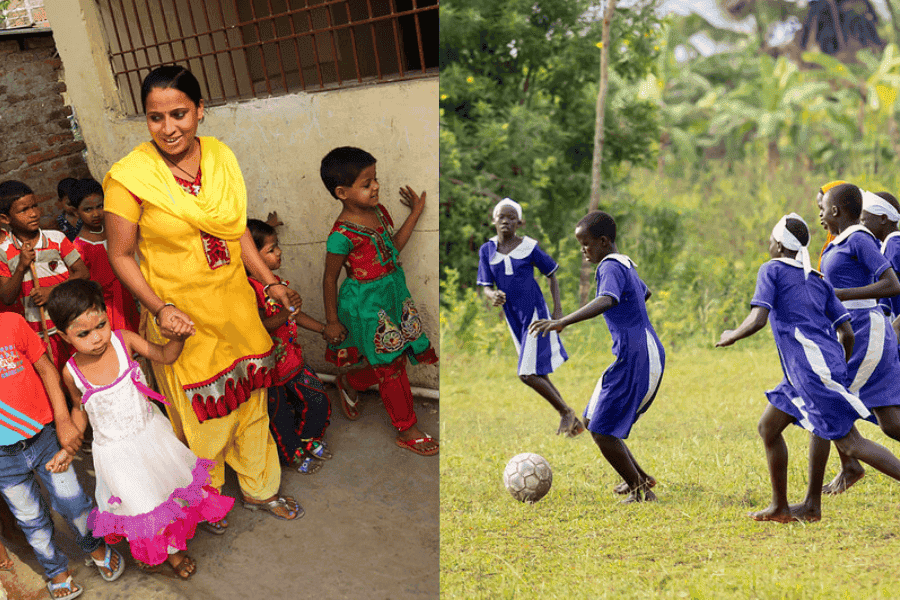
New collaboration with Sightsavers begins to advance inclusivity in education systems in India and Uganda
In February, we began a new partnership with Sightsavers, supported by Oak Foundation, to strengthen inclusive education systems in India and Uganda, with a focus on learners with disabilities and learning differences. The ongoing collaboration supports educators, schools, and education authorities to identify and address systemic barriers to inclusion, embedding more equitable practices within national systems. Through 2026, this important work will continue, developing tools and resources that will be released to support inclusive education agendas.
Schools2030 Kyrgyzstan joins Ministry meetings to shape the future of Kyrgyz education
Also in February, the Ministry of Education and Science of the Kyrgyz Republic convened national and global partners for the 2025 Joint Review of the Education Sector. Schools2030 contributed to this moment, supporting collaboration between government, civil society, and international partners to review progress and help shape the next steps for the Altyn Kazyk education reform programme. With a focus on curriculum reform, STEM integration, and digital learning, the review reinforced a shared, long-term commitment to building an inclusive, high-quality education system for all learners and positioned Schools2030 Kyrgyzstan as a key contributor for shaping education policy in the country.
MARCH
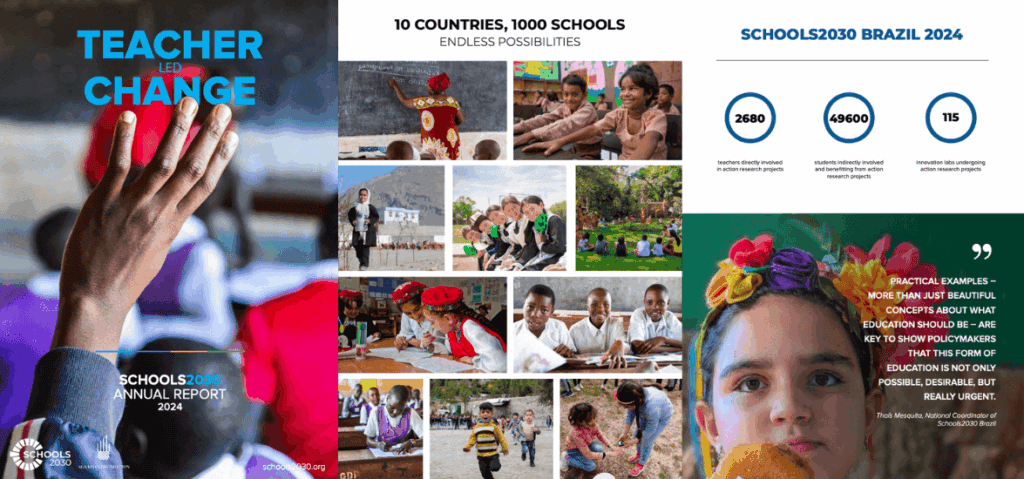
Schools2030 releases its fourth Annual Report
In March, we published Teacher-Led Change, our fourth Annual Report, capturing all our work in 2024 – a year of deepening influence we began our shift from generating school-level evidence to advancing system-level change. The report highlights progress across global work streams in assessment, design and innovation, research and learning, and policy engagement, and showcases the latest teacher-led innovations driving real-world impact. New to the report this year, links were embedded to each country’s detailed learning report so that interested parties could dig even deeper into contextual learnings and insights.
Schools2030 at the CIES 2025 Conference

“If our evidence is to be demand-driven, we need to think not only of government and policy priorities but also the realities at classroom level.”
Also in March, Dr Bronwen Magrath participated in a roundtable at the Comparative International Education Society’s (CIES) Annual Conference. She joined partners from the Global Partnership for Education’s Knowledge and Innovation Exchange (GPE-KIX), FCDO’s What Works Hub for Global Education, and Agence Universitaire de la Francophonie’s APPRENDRE programme to reflect on how evidence can better serve both policy and practice.
APRIL
Schools2030 commissions new flagship video
“Because every child, everywhere, deserves the opportunity to thrive.”
The powerful closing words of Schools2030’s new flagship video, work on which began in April, with the intention of the video being screened for the first time at the Schools2030 Global Forum in June. The video provides an up-to-date snapshot of the goals, purpose and approach of our innovative ten-year programme, and features footage from our teachers and schools around the world, with a lovely voiceover provided by Anna Hadida, Schools2030 Communications Officer for East Africa.
MAY
Innovation Spotlights series marks the build up to the fourth Schools2030 Global Forum
With global and national teams busily preparing for the annual showcase event in early June, across the airwaves we shared a mini-series capturing just a few of the innovations that teachers have been creating through their work with Schools2030. The short videos showcase just how diverse a range of challenges one innovation process can address: from a need for more community cohesion in Portugal, to windowsill gardens that boost green knowledge in Tajikistan; from enriching maths with low-cost materials in Uganda, to encouraging a welcoming culture for students in Brazil – there is truly no problem that human-centred design cannot address!
JUNE
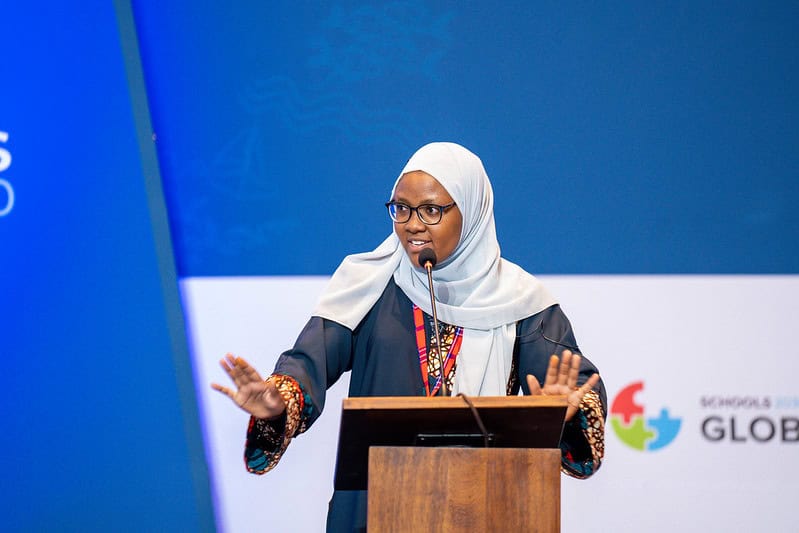
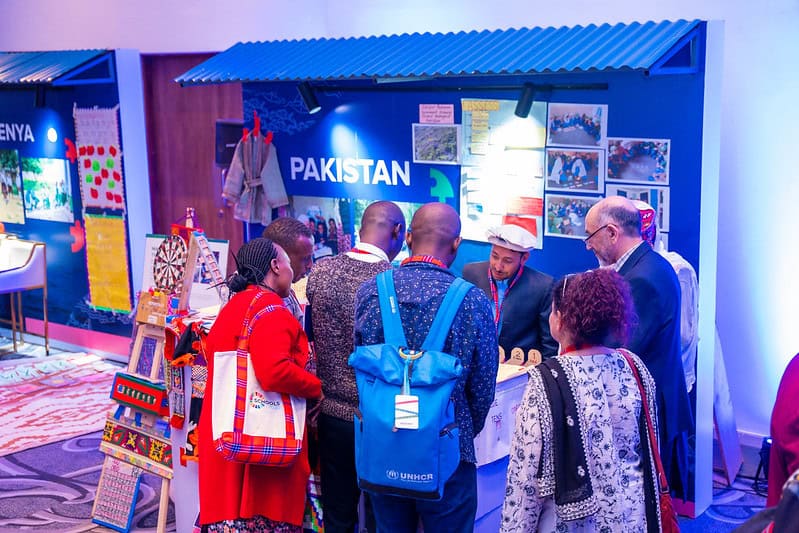
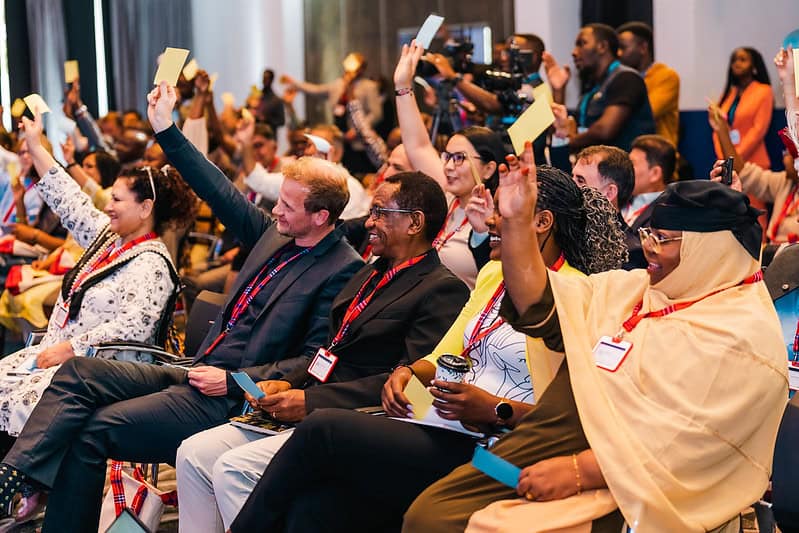
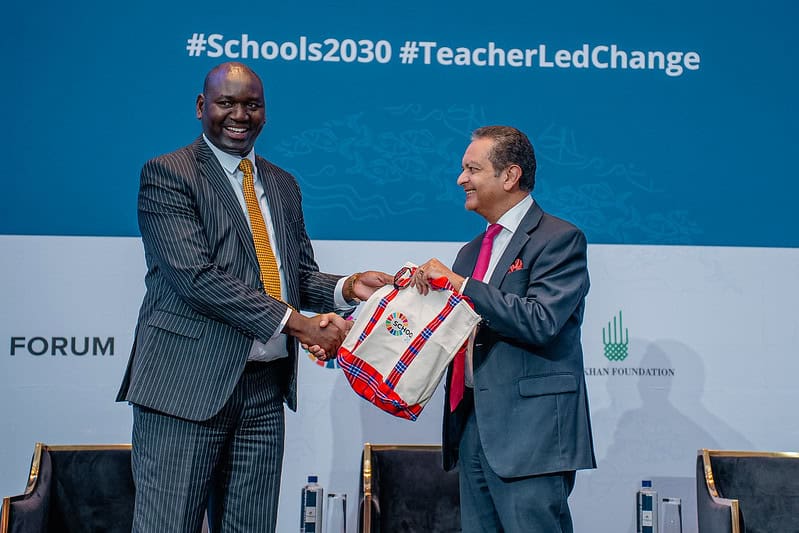
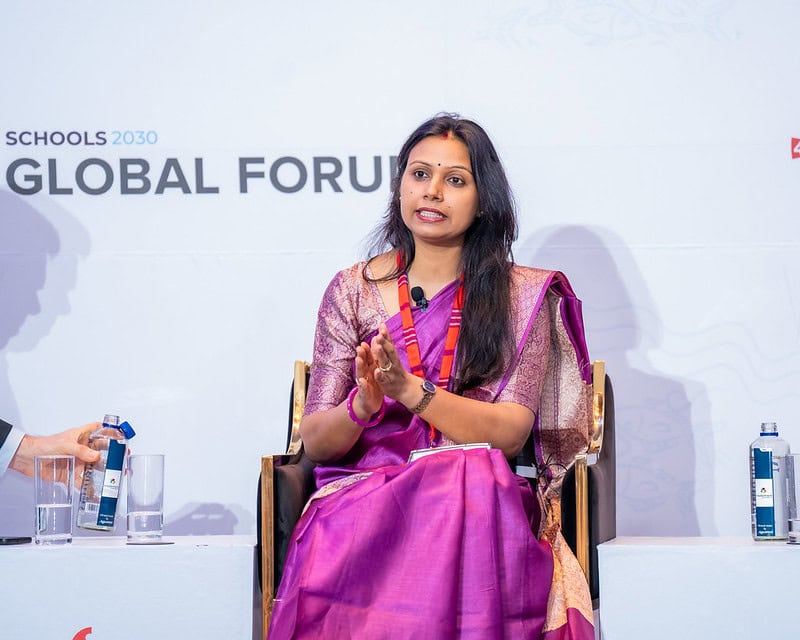
How teachers and schools might be the partners of choice – Schools2030’s fourth Global Forum!
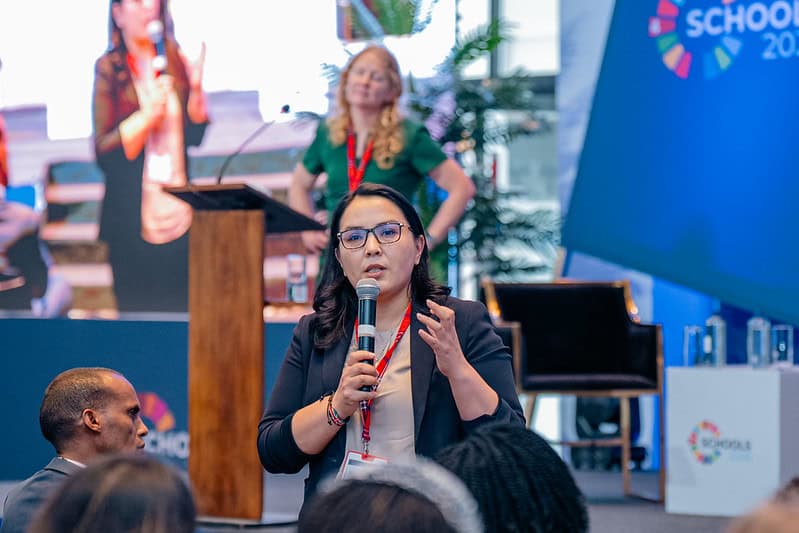
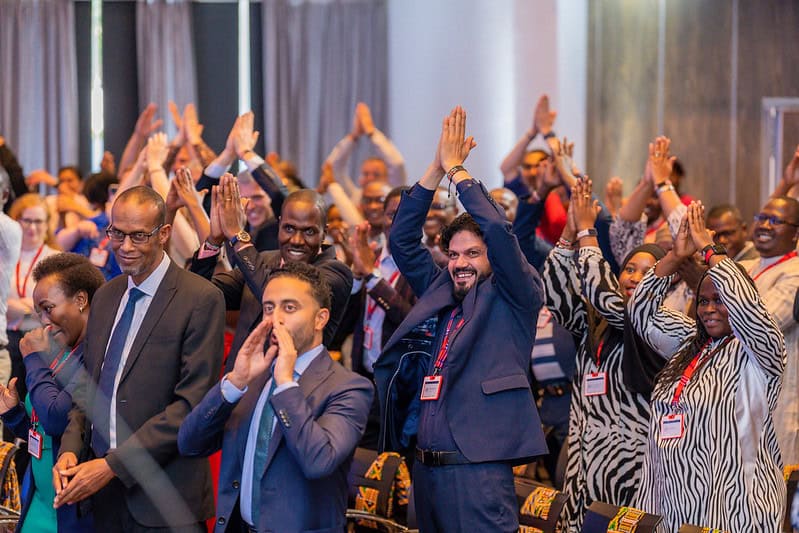
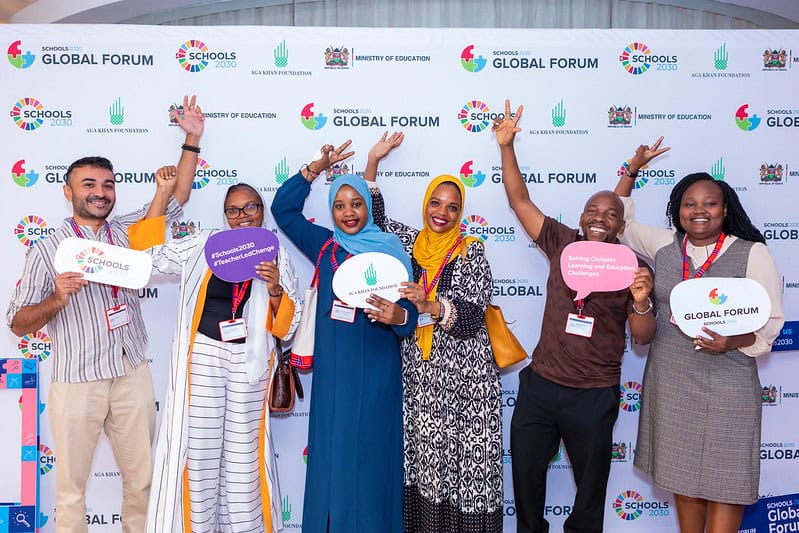
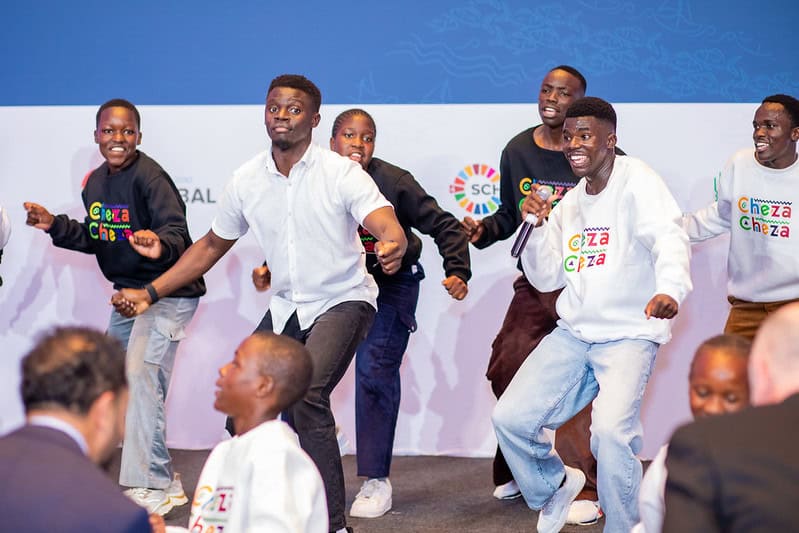
The Schools2030 Global Forum 2025, held in Nairobi, once again convened over 200 delegates — including educators, policymakers, researchers, and partners — to explore how teachers and schools can be recognised as essential partners in solving complex education challenges. A standout feature was the Walimu Soko, a vibrant “Global Teacher Marketplace” where teachers from around the world showcased their innovations, teaching resources, and culture. Other highlights included interactive experiences such as design labs, immersive mystery-solving activities and storytelling performances, all aimed at deepening engagement and sparking new ideas for inclusive, quality learning. The Forum framed teachers as researchers, innovators, and system leaders, reinforcing their central role in shaping the future of education systems globally and drew commitments from the country’s Director-General for Education and even the President. Over three days of thoughtful work, the community also co-created a series of robust recommendations for the wider sector on how teachers and schools might indeed become our partners of choice.
JULY
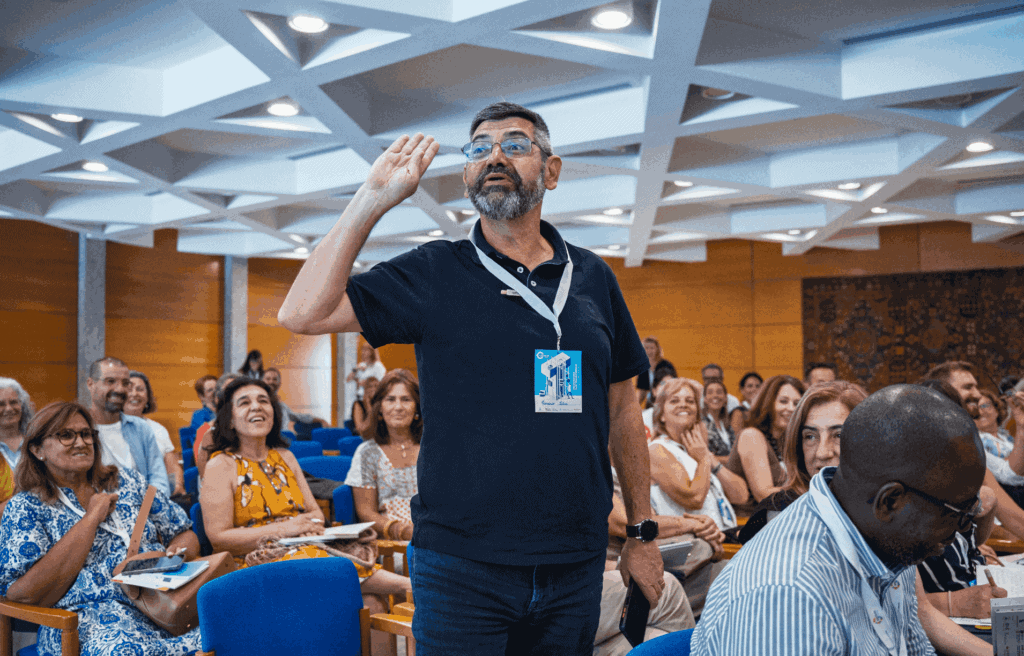
Teachers who Transform – the Schools2030 Portugal National Showcase
Teams and teachers in all our programme countries hold an annual showcasing event every year, as a way to share learnings and insights with other educators and stakeholders far and wide. In July, it was the turn of Schools2030 Portugal to let teachers shine! Under the theme: The Schools2030 Movement: Teachers Who Transform, the event showcased stories of innovation, inclusion and resilience from 15 school clusters, representing 92 public schools across Lisbon, Porto, Leiria and Santarém.
Three more years of partnership renewed with Atlassian Foundation
Also in July, we were excited to announce a renewed partnership with Atlassian Foundation. Since joining our Global Steering Committee in 2022, the foundation has supported the development and dissemination of teacher-led innovations, the promotion of holistic learning assessment, and the closer integration of schools and systems across our programme countries. This renewed commitment marked an opportunity to deepen that work, as we move into the later phases of the programme’s focus on system strengthening.
AUGUST
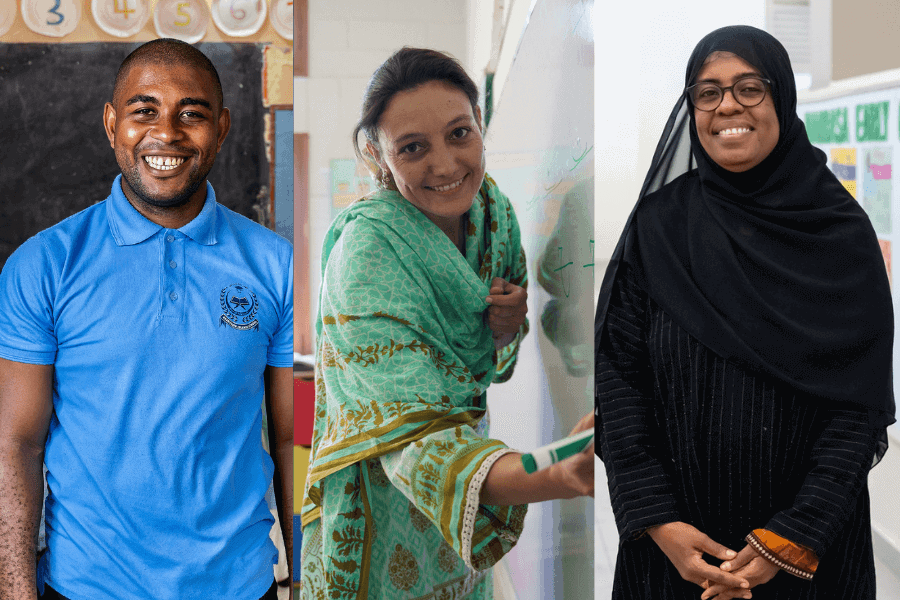
Teacher-educators explore design thinking for teachers in Tanzania
Work continues apace on our exciting partnership with GPE-KIX through an action-research project that explores how we can deliver design thinking for educators through pre-service teacher training in Kenya, Tanzania and Pakistan. In August, a workshop was held with our partners at Marangu Teacher Training College in Dar es Salaam (with similar workshops held in Kenya in June and Pakistan in September). The workshop invited teacher-educators from the college to undergo an HCD process and give feedback on how this might be adapted into their training curricula and teacher practicums. A blog was later published by Dr Bronwen Magrath and project lead at AKU-IED East Africa, Dr Nicholas Wachira, on learnings from the workshops in Kenya, available at the link below alongside more information on the project.
Schools2030 Global Researchers release synthesised findings on equity in education
Also in July, Schools2030 published new evidence from its second global research cohort, strengthening understanding of how teacher-led innovation can advance more equitable, system-level change. Drawing on insights from multiple countries, one of the key findings, among others, showed that when teachers are supported to generate and use local evidence, innovations are more likely to respond to the needs of disadvantaged learners and be taken up beyond individual classrooms. The release reinforced the growing strength of the Schools2030 evidence agenda.
SEPTEMBER
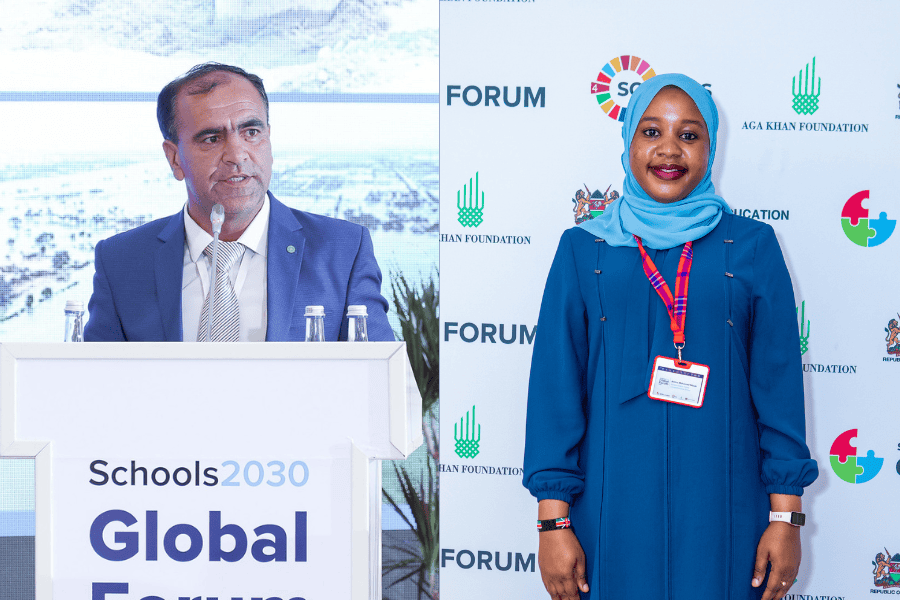
Schools2030 teachers share their perspectives on classroom innovation at UKFIET
In September, we brought teachers to the forefront at UKFIET – The Education and Development Forum at the University of Oxford. During the panel Teacher Agency and Voice for Systemic Change, educators Iqbal Dad from Pakistan and Amina Mohamed from Kenya shared firsthand insights on how teachers can develop agency and use their voices to influence broader educational change. Their reflections highlighted that when teachers combine a growth mindset with the confidence – and space – to innovate, they move beyond simply implementing curricula to shaping learning experiences and leading meaningful change in their classrooms and communities.
OCTOBER
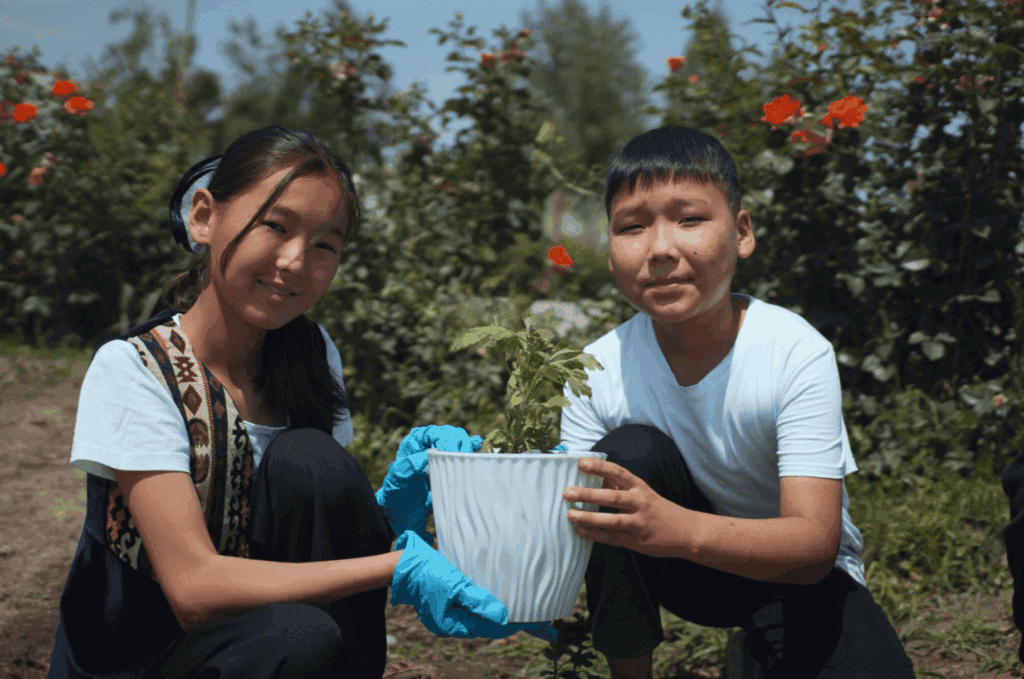
Schools2030’s School Gardens project to be adopted nationwide, Ministry decrees
In October, Schools2030’s work in Kyrgyzstan was recognised at the national level when the Minister of Education and Science visited Toktogul Secondary School, a partner school implementing the School Gardens initiative. The project demonstrated how teachers and students are using the gardens to build environmental awareness, strengthen climate resilience, and apply STEM learning in practical ways. Following this, the Ministry issued a national decree to pilot greenhouses in state schools nationwide, signalling that classroom-level innovations can and are informing education policy in the country.
Schools2030 makes the case for teacher agency at Aga Khan University conference in Pakistan
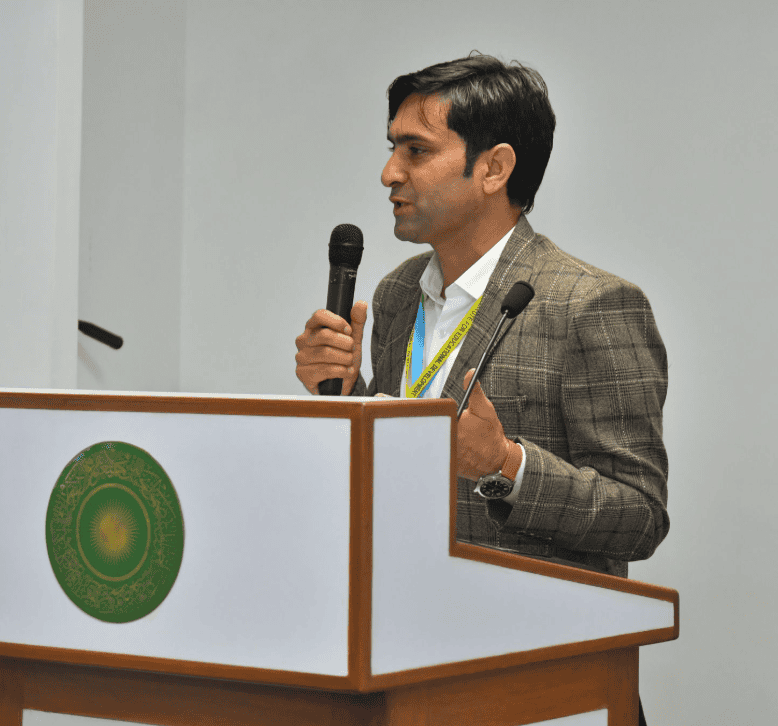
Schools2030 contributed to global dialogue on education at the 13th International Conference on Raising Children in Our Times in Karachi. Represented by Dr Bronwen Magrath, and the Schools2030 Pakistan team, Schools2030 hosted a panel: Raising Resilient Learners in a Digital and Divided World, which highlighted the importance of teacher agency in enabling educators to respond to students’ needs with empathy and creativity. Schools2030’s contribution was highlighted in the event coverage in Pakistan’s biggest national paper, Dawn.
NOVEMBER

Blog with GPE explored lessons learned on authentic advocacy in Schools2030
In November, Schools2030’s communications team collaborated with the Global Partnership for Education (GPE) to publish a blog on authentic advocacy, highlighting the importance of honest representation of teachers’ voices as a shared responsibility in education reform. The piece drew on Schools2030’s experience of working alongside teachers and called for advocacy approaches that are grounded in classroom realities. Through this collaboration, Schools2030 and GPE reinforced the role of teachers not just as implementers of policy, but as essential partners in shaping more equitable and effective education systems.
System-integration of HCD for teachers advances in Tajikistan
Schools2030 Tajikistan advanced its system-scaling work by embedding the HCD approach within formal teacher education through a partnership with the UCA’s School of Professional and Continuous Education (SPCE). Through a three-day interactive workshop, teacher-educators engaged directly with HCD, testing collaborative methods to design more responsive and innovative teaching practices. This work marked a step towards institutionalising the innovation process within national teacher training structures – one of many ways similar system-embedding efforts taking place across all ten Schools2030 countries.
Schools2030 Tanzania’s approach to multi-stakeholder climate education lauded
Schools2030 Tanzania’s CO-CREATE programme was recognised internationally as a strong example of system-level, multi-stakeholder action on climate education. Highlighted by the OECD in a new working paper on Philanthropy, Education and Climate Change, the programme was cited for demonstrating how collaboration across education stakeholders can strengthen climate learning. Launched at COP30, the paper underscored education as an under-leveraged pathway in responding to the climate emergency, reinforcing the relevance of Schools2030’s joined-up, systemic approach.
DECEMBER
Launching the Schools2030 Item Bank for Holistic Learning Assessment
A major milestone was reached in December, as we launched the Schools2030 Item Bank for public use, marking nearly six years of collaborative work to reimagine assessment in more holistic, context-driven ways. Introduced through a global webinar, the Item Bank brings together more than 1500 psychometrically validated assessment items co-developed with teachers across nine countries, enabling deeper understanding of student learning across academic, social, and emotional domains. The launch highlighted the vital contribution of Schools2030’s assessment partners, including reflections from the team in Afghanistan, alongside Oxford MeasurEd, Porticus, and Education Cannot Wait, underscoring the power of long-term partnership and cross-country learning to inform teaching, research, and policy.
The Schools2030 Human-Centred Design Toolkit is published on AKF’s Learning Hub
Another huge milestone was the release of the Schools2030 HCD Toolkit for teachers, which is now available on AKF’s Learning Hub platform. Whilst previous iterations of the toolkit had been used for years, the new toolkit provides a better, fully-integrated user experience for those undergoing Schools2030’s Three-Step Innovation process. It also marks five years of co-creation alongside our country teams and hundreds of teachers and adds to Schools2030’s growing contributions to the global education sector’s public goods.
The Schools2030 story will continue in 2026! Follow us on social media for more.