4-11 Years
Teacher Innovator(s): Robson Max, Adriana Rebouças, Haroldo Campelo, Emicléia Pinheiro
Learning Area
Civic Engagement | Collaboration | Creativity | Empathy | Leadership | Self Awareness
How might we ensure that children's voices are truly heard?
THE CONTEXT
Odé Kayodê Pluricultural School
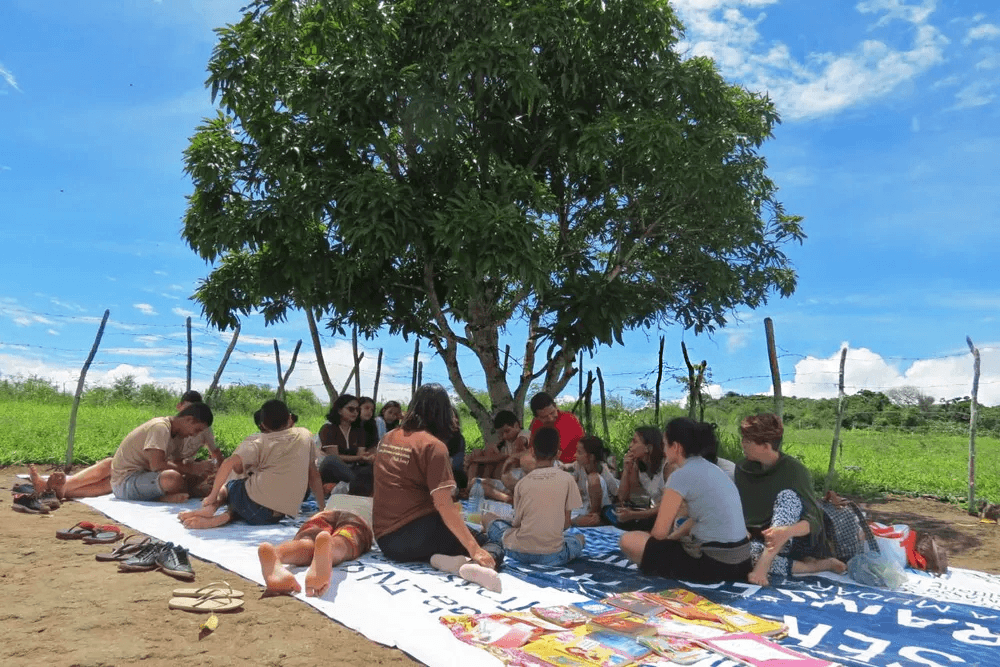
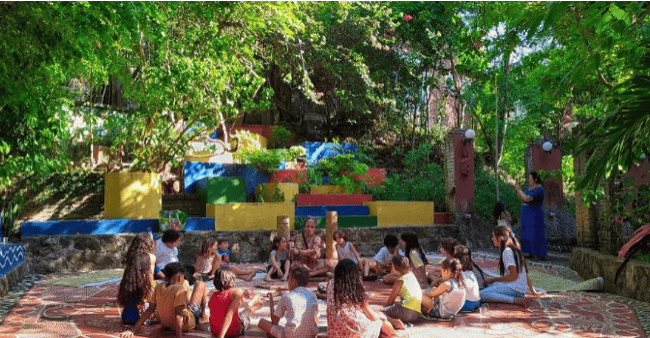
The Odé Kayodê Pluricultural School is located in the city of Goiás, Brazil, a UNESCO World Heritage Site celebrated for its rich Indigenous and African heritage, which was shaped by a colonial past and the legacy of gold exploration. This historic city, with its blend of cultural influences, deeply resonates with the school’s philosophy. Odé Kayodê School operates within the Vila Esperança Cultural Space (Hope Village Cultural Space), a grassroots initiative dedicated to promoting education and culture. The school’s name, derived from the Yoruba tradition, translates to “Hunter of Joy,” reflecting its mission to cultivate knowledge through joy and meaningful learning experiences
Serving approximately 50 students, from early childhood to primary education (ages 4 to 11), the school faces systemic inequalities and financial hardships. However, it continues to thrive thanks to the unwavering support of the local community and generous donations. Despite these challenges, Odé Kayodê stands as a beacon of resilience and educational innovation. The land it occupies itself tells a story of transformation. Once a neglected dumping ground near the Red River, it was revitalized through collective efforts into a flourishing educational space, enriched with gardens and cultural areas. This spirit of renewal is also reflected in the school’s pedagogical approach, which emphasizes participatory learning and active civic engagement.
A cornerstone of this vision is the Children’s Government, an innovative initiative that empowers students to practice democracy, develop leadership skills, and advocate for community-driven policies. By fostering a sense of agency and social responsibility, Odé Kayodê School prepares its students not just to learn about the world—but to help shape it.
THE CHALLENGE
How might we amplify student voices?
The design journey centred on amplifying children’s leadership through the Children’s Government. During the Regional, State, and National Conferences on the Child and Adolescent Statute (ECA), students from the Odé Kayodê School participated as elected delegates, representing their peers. They observed that while adults dominated discussions, children had few opportunities to speak—and when they did, their voices were often disregarded. This reflects a broader reality: while adolescents have gained more spaces to express their perspectives, younger children still struggle to be heard. These insights underscore the urgent need for structured practices that truly empower children to participate meaningfully in decision-making.
Children don’t need to be given a voice—they already have one. What’s necessary is to truly listen.
Maya, former student of Odé Kayodê Pluricultural School
THE INNOVATION
Children's Government
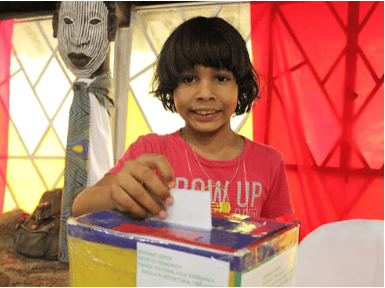
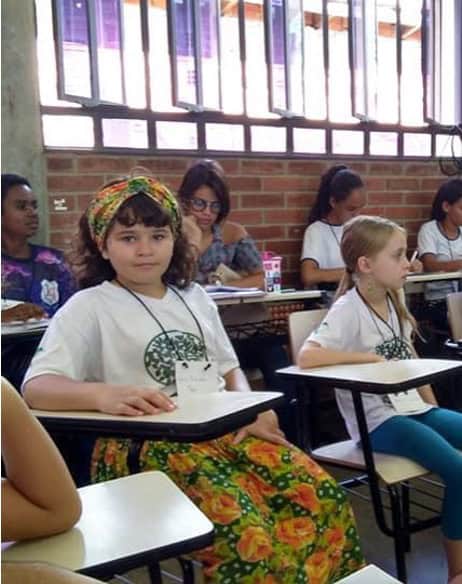
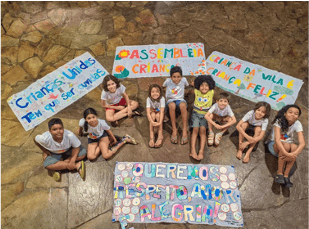
The Children’s Government is an innovative pedagogical practice that empowers children aged 4 to 11 to engage in democratic decision-making. This structured school government enables students to elect representatives, debate issues, and propose policies that impact their school and community. The process begins with classroom discussions on leadership and democracy, followed by debates, elections, and the formation of ministries and assemblies. Their initiatives are documented through school newspapers and radio broadcasts, amplifying their voices and ensuring their contributions are recognized.
The solution places a strong emphasis on developing leadership as its core competency while also nurturing empathy, creativity, collaboration, and self-awareness. Through hands-on experiences in assemblies, legislative simulations, and media projects, children learn the fundamentals of democracy by actively practicing it. These opportunities allow students to lead initiatives, make decisions, and inspire their peers, strengthening their civic engagement and critical thinking skills.
A key challenge was ensuring children’s voices were genuinely heard, as adults often dominated discussions. The school overcame this by systematically documenting student-led initiatives, amplifying their influence beyond the classroom, and even contributing to municipal policy changes.
THE IMPACT
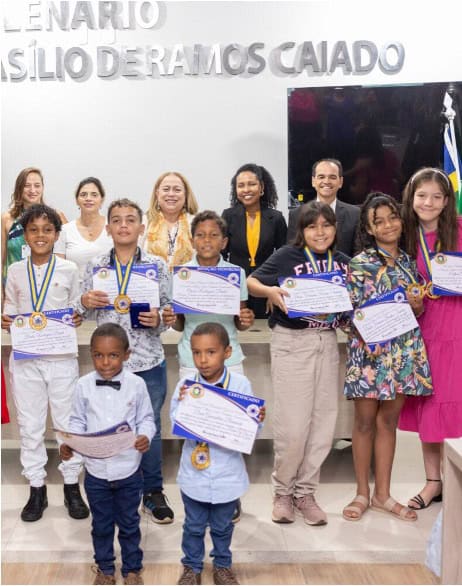
Students that actively shape their community
This initiative has empowered every child at the school to actively shape both their school and their community. Since 2023, the Children’s Government has been central to the school’s action research, focusing on how democratic participation helps develop leadership.
One of the initiative’s most significant achievements was their involvement in the creation of a public policy that acknowledges youth leadership—the Ayê Dum Medal. This award honours children and adolescents who exhibit exemplary leadership and a deep commitment to their communities and the environment.
RESOURCES
Download the story of this innovation in PDF form below.
The project is important because it creates an educational space for citizenship in children's daily lives. They understand a system of democratic relations, practice speaking, expressing opinions, making decisions, and engage in more active listening.
Adriana Rebouças
Explore more innovations from Brazil