15 Years
Teacher Innovator(s): Iqbal Dad
Learning Area
Building Confidence | Communication | Creativity | Leadership | Literacy | Resilience | Respect for the Environment
How might we make creative writing more meaningful by connecting it to students’ lived experiences?
THE CONTEXT
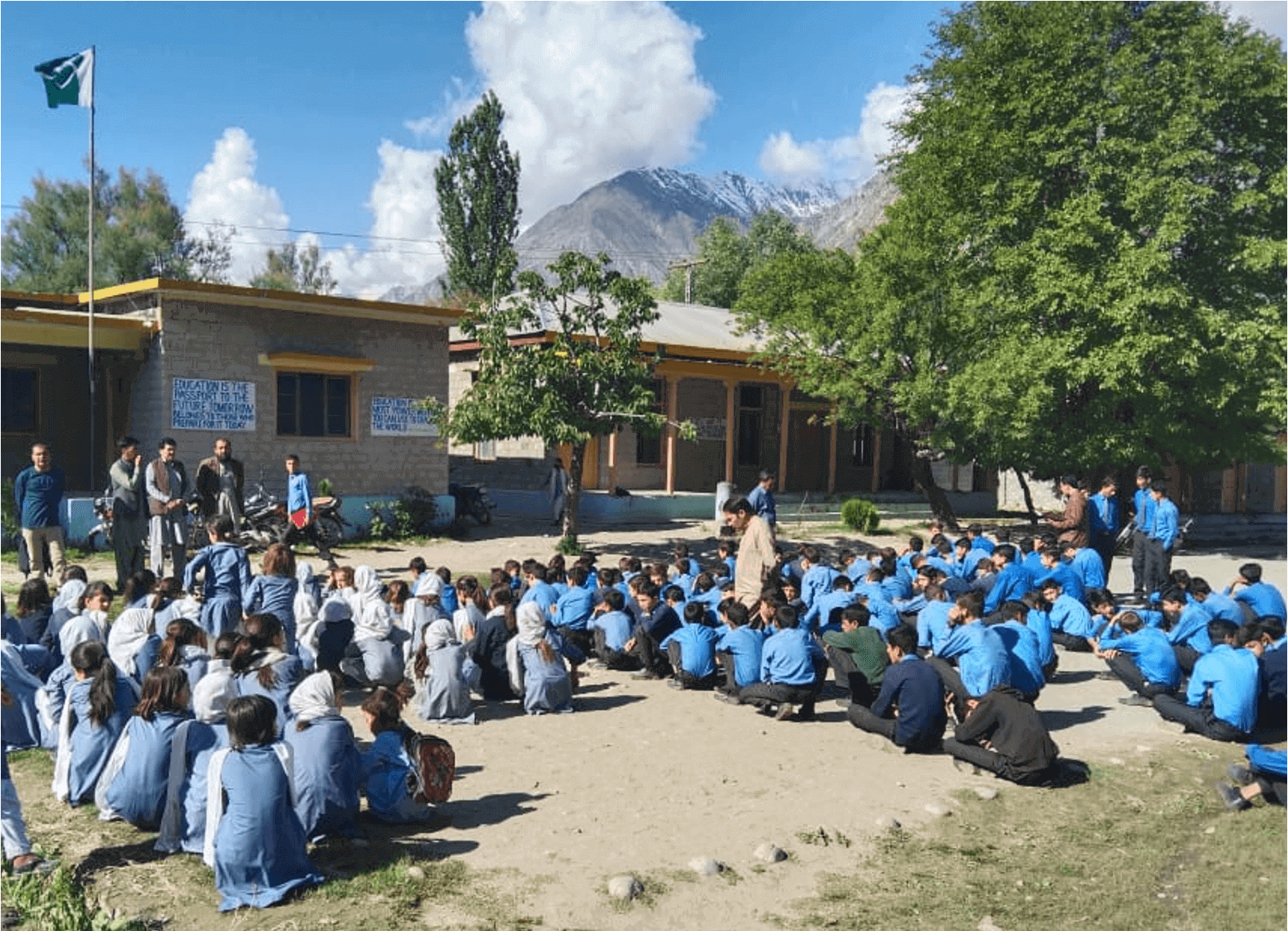
Government Boys High School Ishkoman
Gilgit-Baltistan is a highly mountainous and environmentally fragile region in northern Pakistan, with a population of approximately 1.2 million people, most of whom rely on agriculture and local livelihoods. Literacy rates in the region are around 65%.
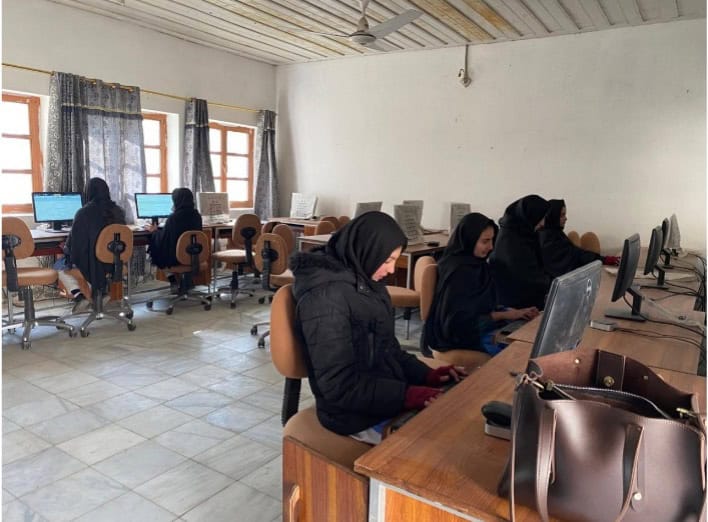
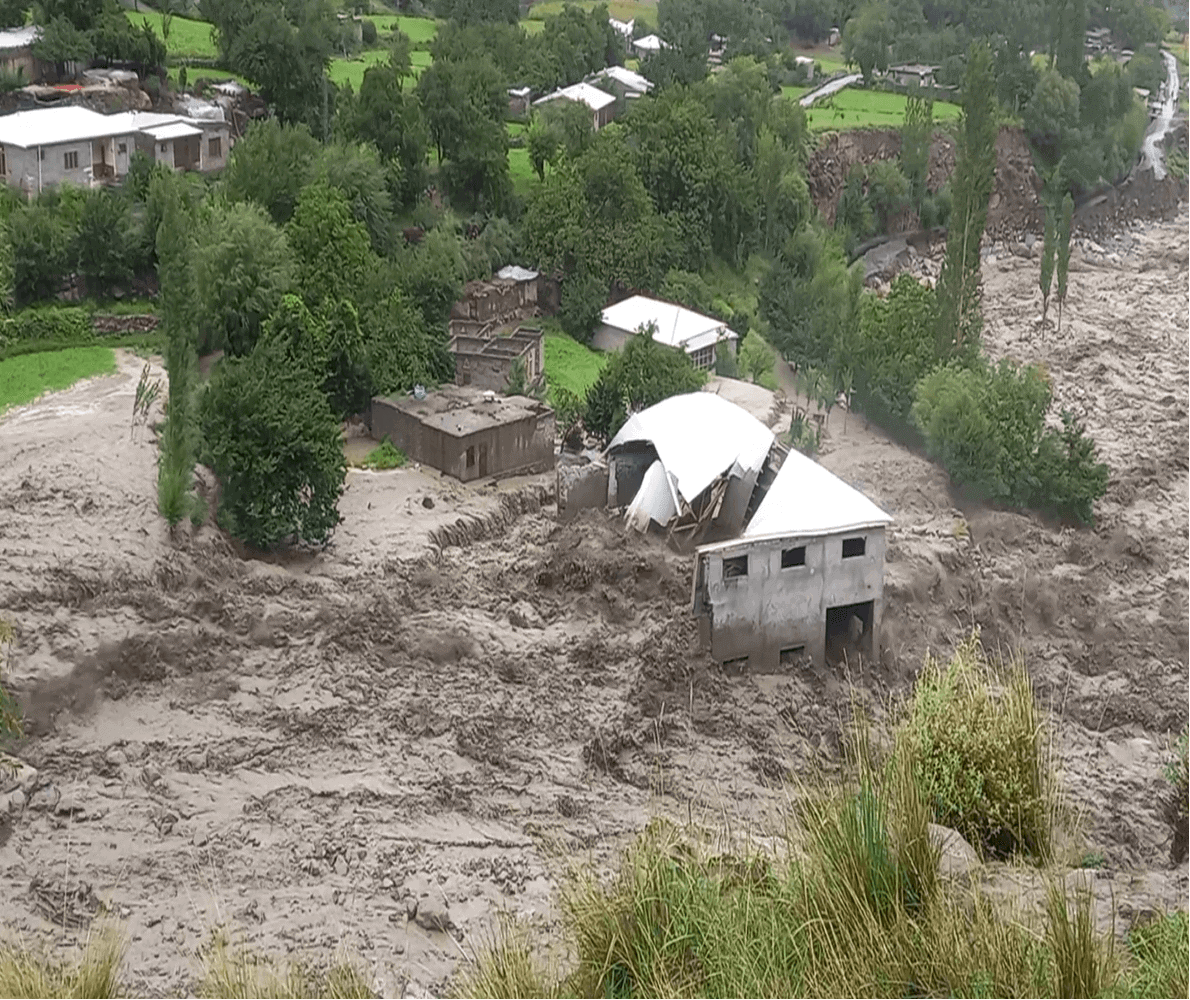
Government Boys High School Ishkoman serves 225 students, from Kindergarten through Year 10, taught by a staff of 15 teachers. This school community has experienced recurring environmental challenges, including floods that affected families and school life, shaping students’ lived experiences outside the classroom.
THE CHALLENGE
How might we make creative writing more meaningful by connecting it to students’ lived experiences?
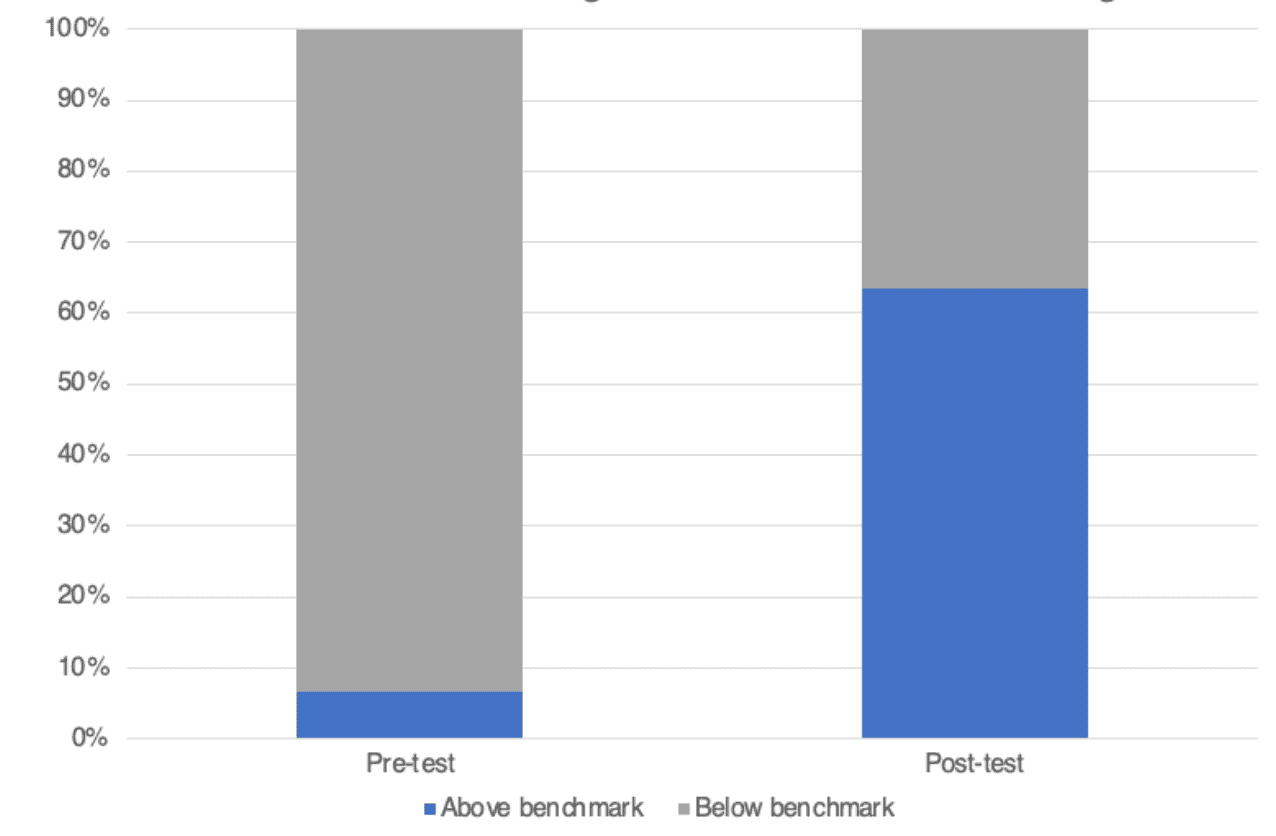
Assessments and stakeholder interviews revealed that many Grade 9 and 10 students lacked proficiency in creative writing. A reliance on memorisation and textbook-focused instruction limited opportunities for personal expression, deeper comprehension, and use of authentic language. Pre- and post-test data showed that only 2 out of 30 students performed at the expected level for creative writing.
Furthermore, recent floods diverted students’ attention and affected emotional wellbeing, creating a need for contextually relevant, engaging writing experiences that could also support reflection on community and climate.
THE INNOVATION
Creative Writing for the Climate
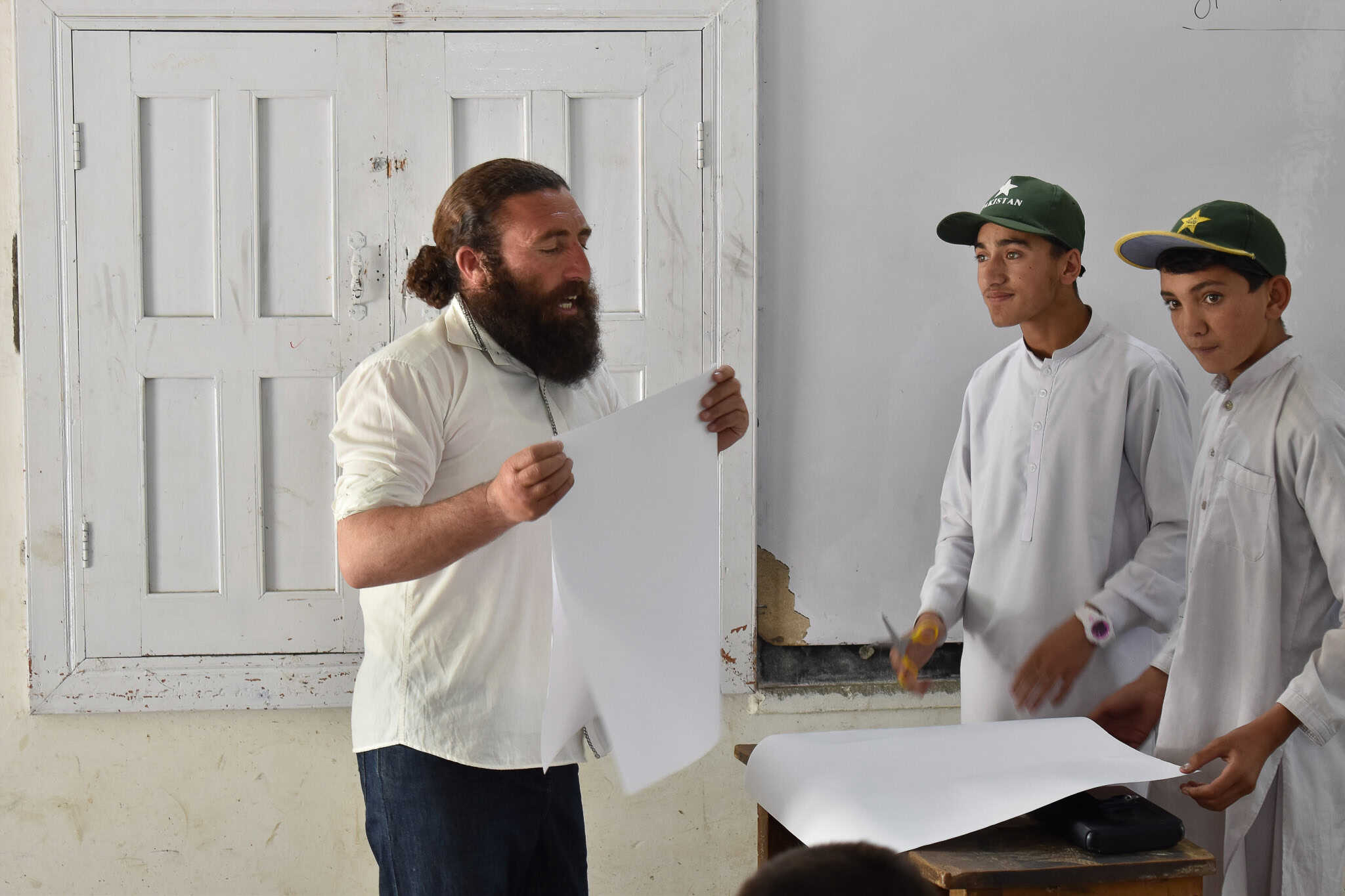
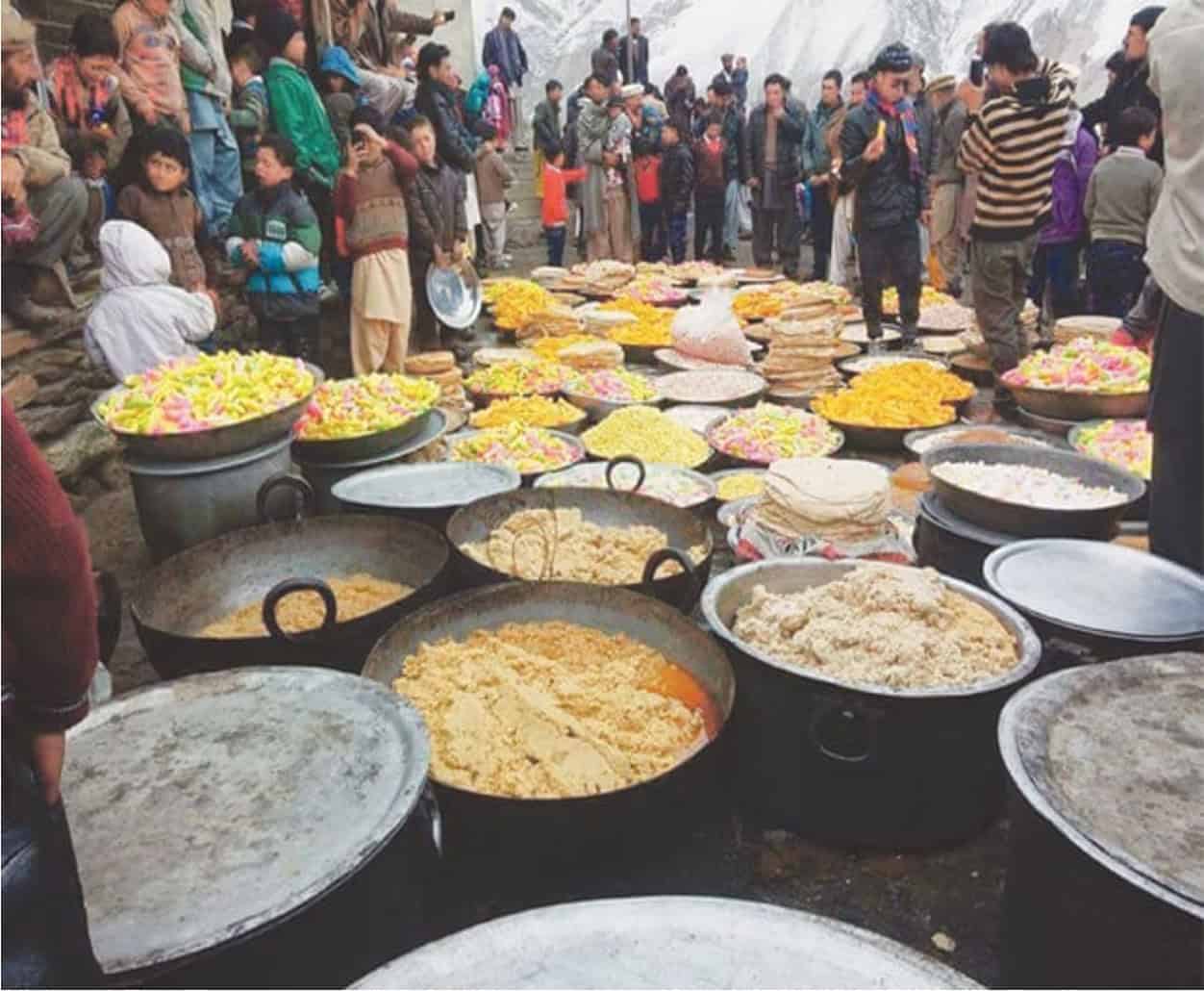
To address these challenges, Iqbal Dad developed a practice that integrates creative writing with local festivals, community experiences, and climate-related events. Students began documenting their roles, observations, and reflections during local festivals and celebrations, using these authentic experiences as meaningful prompts for writing.
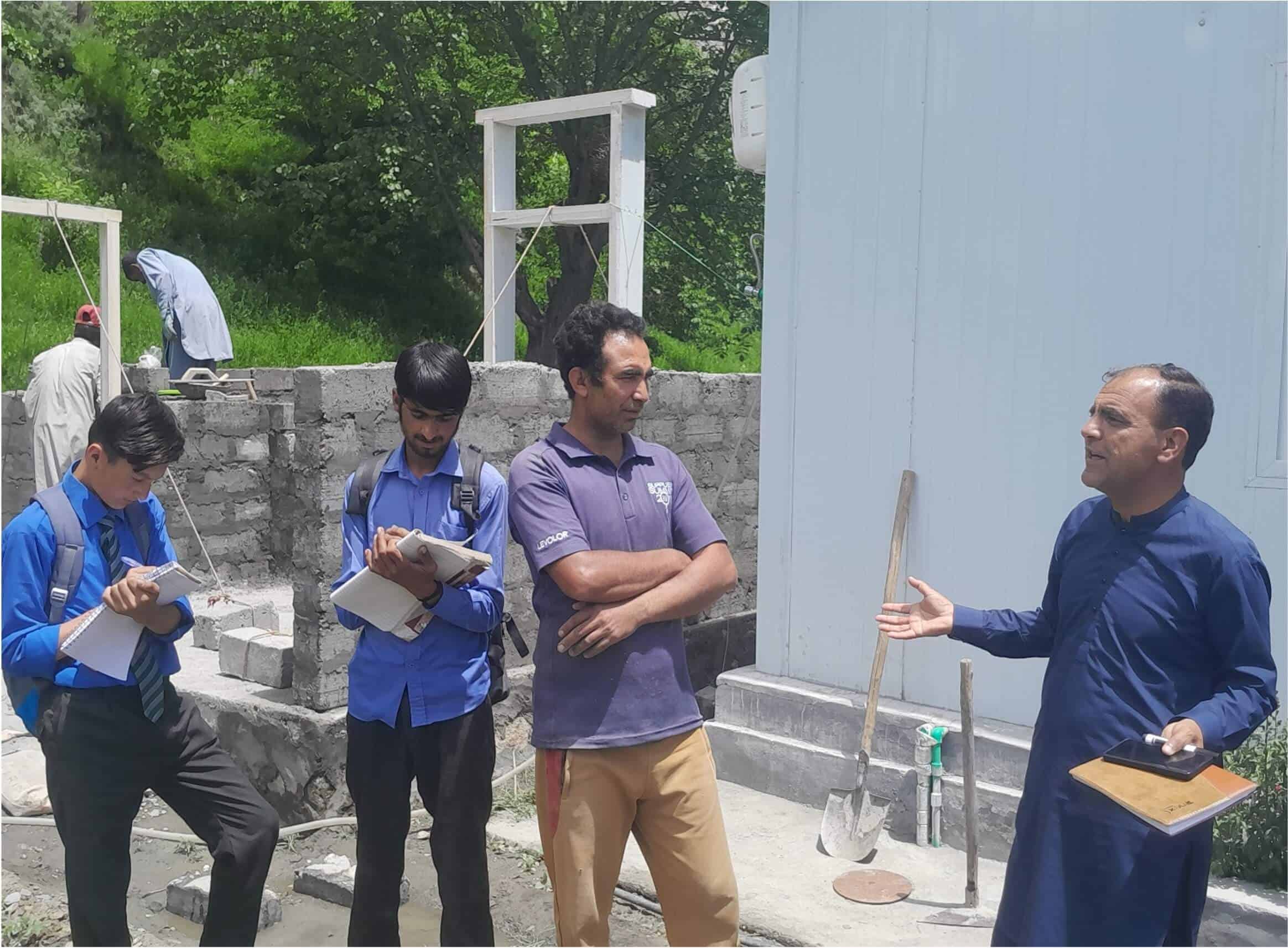
When flooding severely impacted the community, causing major anxiety and distracting students, the teacher decided to pivot this approach. Learners visited flood-affected sites, interviewed community members, and discussed environmental consequences. These activities were then used as real-world material for writing tasks, helping students link narrative skills with lived experience and environmental awareness.
Activities Include:
- Climate Clubs formation in school
- Flood affected site visits
- Interviewing flood affected individuals
- Discussion with community leaders
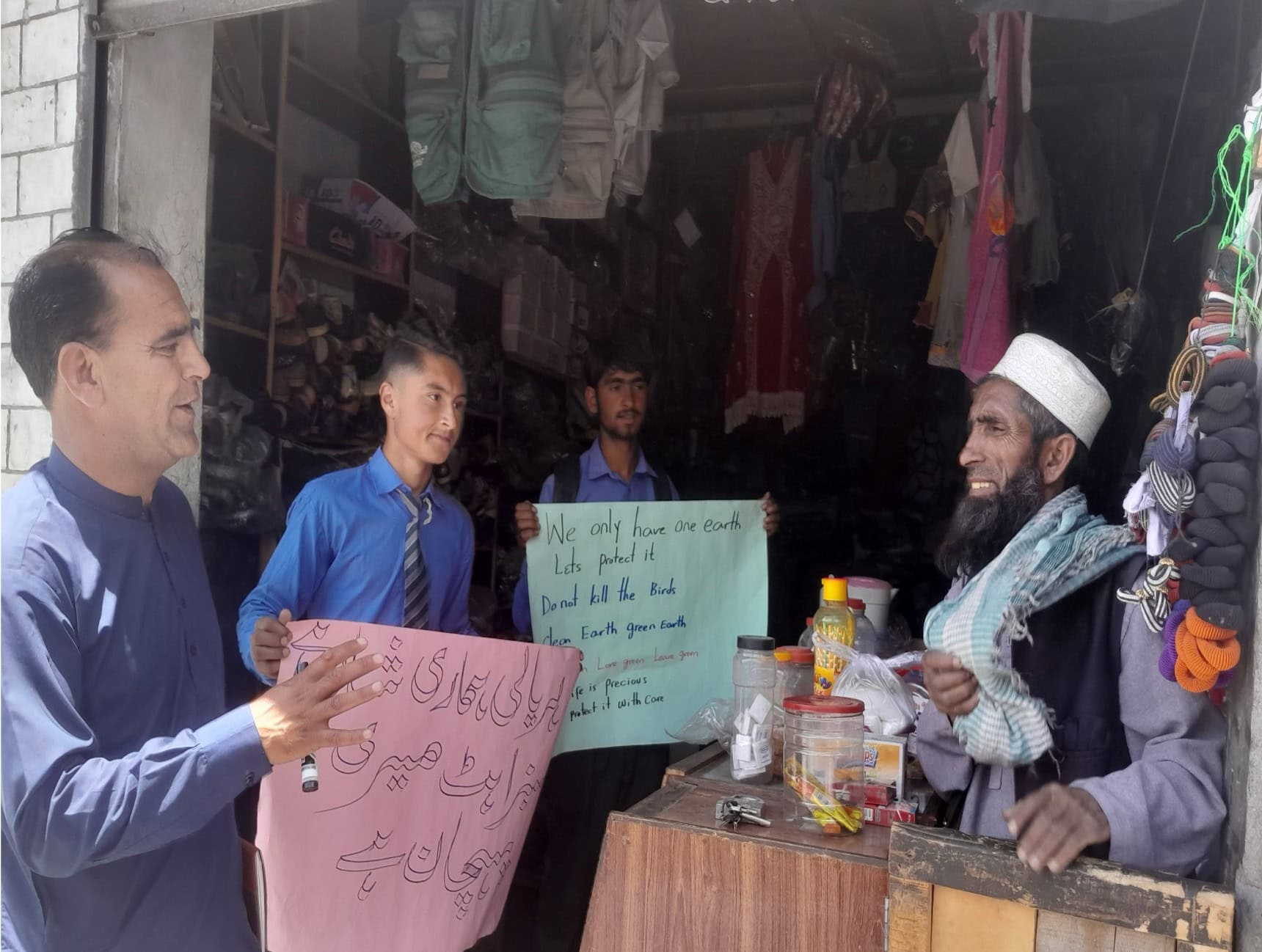
- Developing slogans regarding plantations and flood defence
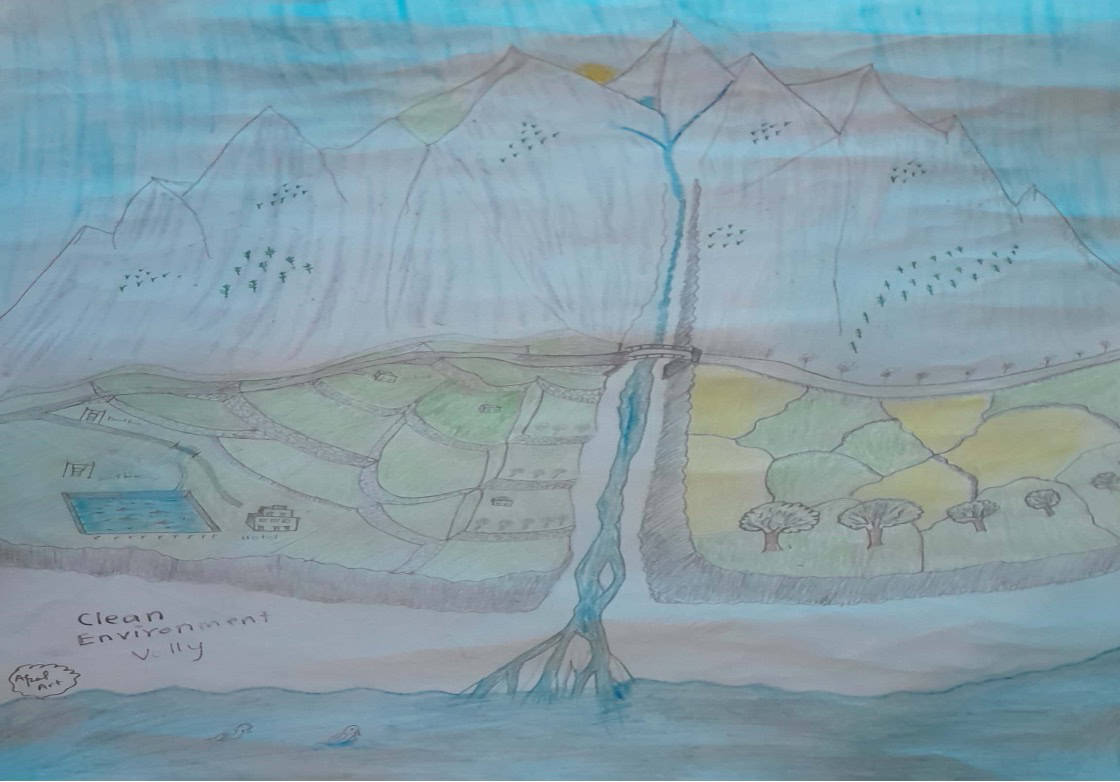
- Climate Exhibitions and Painting Competitions
THE IMPACT
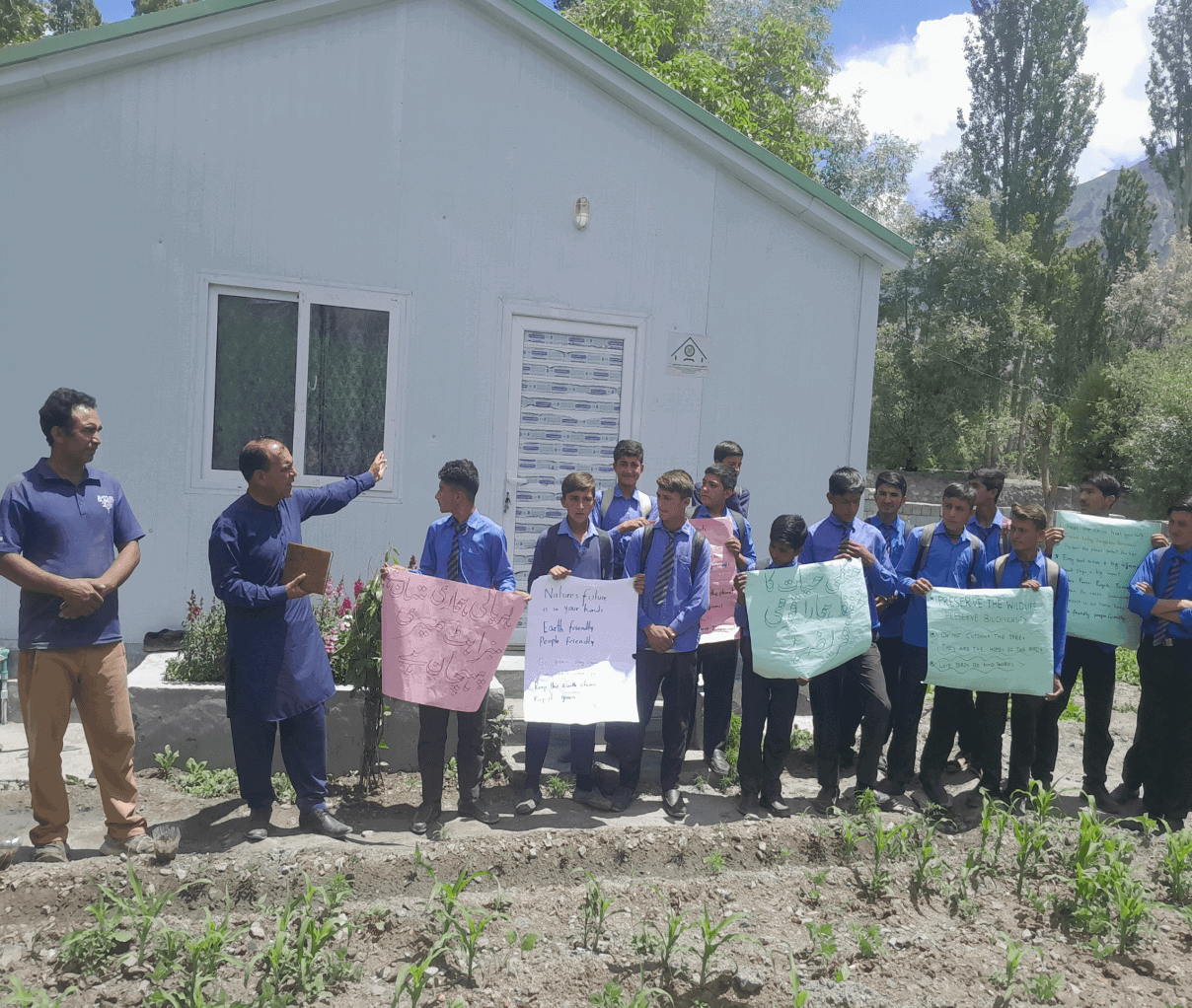
Strengthened literacy and environmental knowledge through community experiences
The innovation resulted in significant improvements in writing proficiency. Test results showed that the proportion of students achieving above benchmark levels in creative writing increased from below 10 % to over 60 % by the end of implementation.
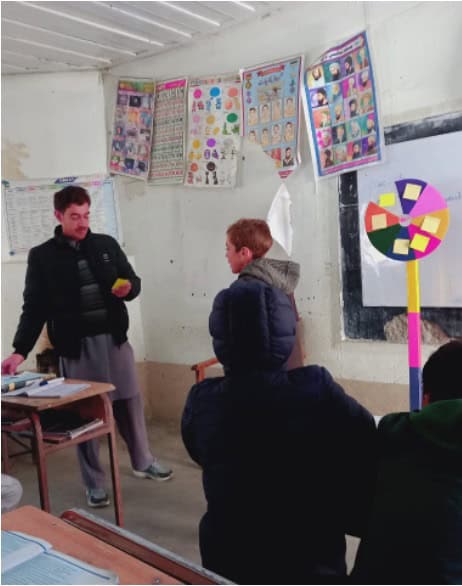
Classrooms became more interactive, with higher levels of student engagement, participation, and peer support. Students demonstrated greater confidence in expressing their ideas and linking personal experiences with written language.
The projects also helped create a sense of control for students in the face of a difficult situation and this had a meaningful effect on their wellbeing.
RESOURCES
Download the story of this innovation in PDF form below.
Explore more innovations from Pakistan