10-15 Years
Teacher Innovator(s): Erkgul Olokova, Nuriza Kaldybaeva, Inabat Ergeshova, Elmira Rysbaeva, Aizat Orozalieva, Jainagul Kadyrbek Kyzy
Learning Area
Climate Awareness | Critical Thinking | Literacy | Numeracy | Problem-Solving | Respect for the Environment | Taking Responsibility
How might we develop critical thinking and improve reading comprehension by integrating climate change topics into our curriculum?
THE CONTEXT
Otunchiev Secondary School, Osh
Otunchiev School, located in the heart of Gulcho village—the administrative center of Kyrgyzstan’s Alay district at 1,600 meters above sea level—serves more than 1,230 students. With 108 students in Grade 9 and 159 in Grade 4, it plays a central role in the education of a community of over 30,000 residents. The school stands as a cornerstone of learning and opportunity in this mountainous region, shaping the academic and personal development of its young people.
Yet many students, particularly in Grade 9, face significant challenges in reading comprehension. They struggle to analyze, synthesize, and interpret information from texts, a skill fundamental to critical thinking. This weakness extends beyond academic performance—it affects their capacity to make informed decisions, solve problems, and engage thoughtfully with the world around them. Strengthening reading and critical thinking skills is therefore essential to preparing students for both future studies and the demands of modern life.
THE CHALLENGE
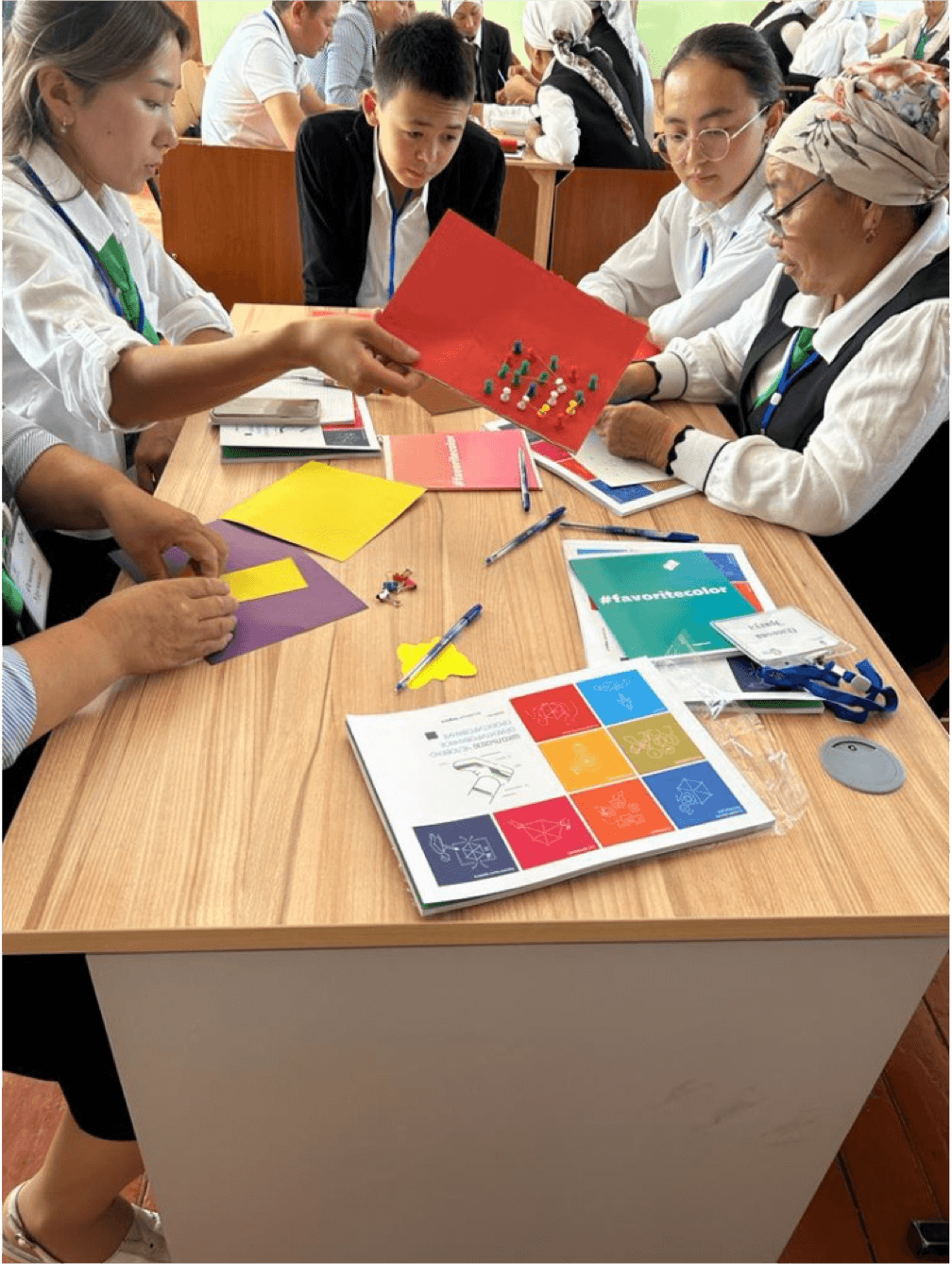
How might we develop critical thinking and improve reading comprehension by integrating climate change topics into our curriculum?
Interviews revealed that climate change is a deeply relevant issue for the Gulcho community, where shifting weather patterns directly affect farming and livestock—the main sources of livelihood in this densely populated but land-limited area. The community’s daily experiences with these changes have made climate issues both tangible and urgent, particularly for young people who see their future tied to the land.
Teachers, students, and parents alike noted that many learners struggle with reading comprehension and critical thinking, particularly when engaging with complex or real-world topics. In response, the design team chose to focus on improving these skills by integrating climate change themes into the curriculum—using a familiar, meaningful issue to strengthen students’ ability to read, analyze, and think critically about the world around them.
THE INNOVATION
EcoMind: Think Green, Act Green
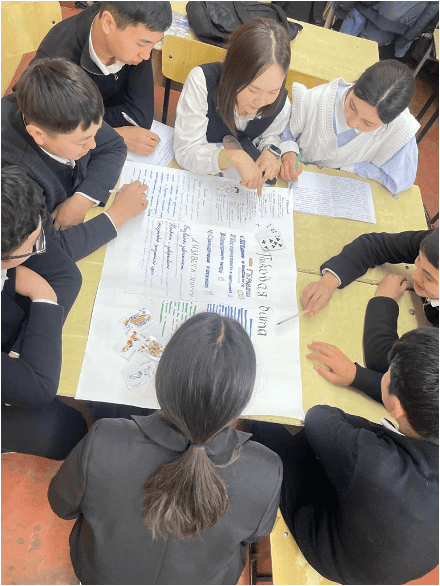
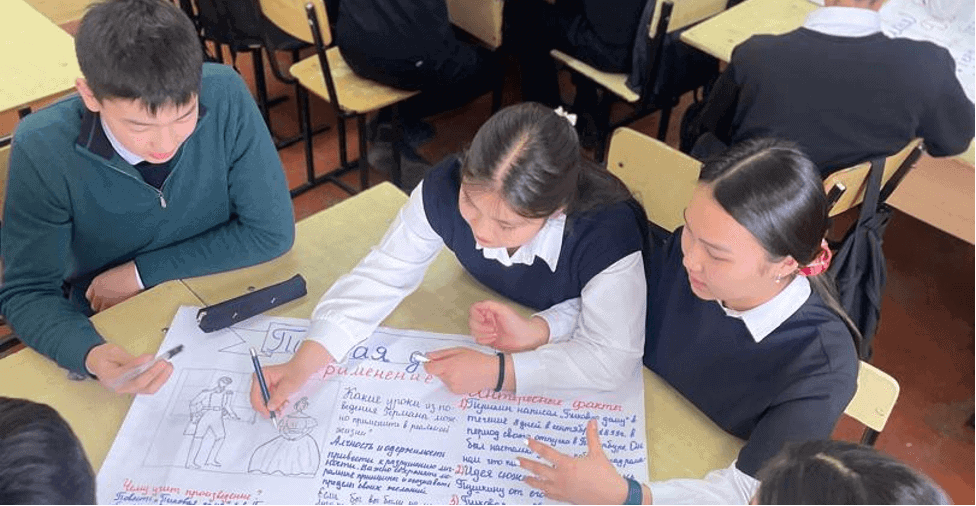
The EcoMind: Think Green, Act Green initiative was an innovative program designed to strengthen students’ reading comprehension and critical thinking while deepening their understanding of climate change. This dynamic, hands-on project engaged students in three groups—each with a distinct focus but united by the goal of addressing environmental challenges through inquiry, creativity, and action.
The Research Group explored climate issues from a scientific perspective, analyzing both qualitative and quantitative data to understand the environmental changes affecting their village, region, and planet. They interpreted graphs, compared sources, and drew evidence-based conclusions, sharpening their ability to evaluate information and think critically about complex issues.
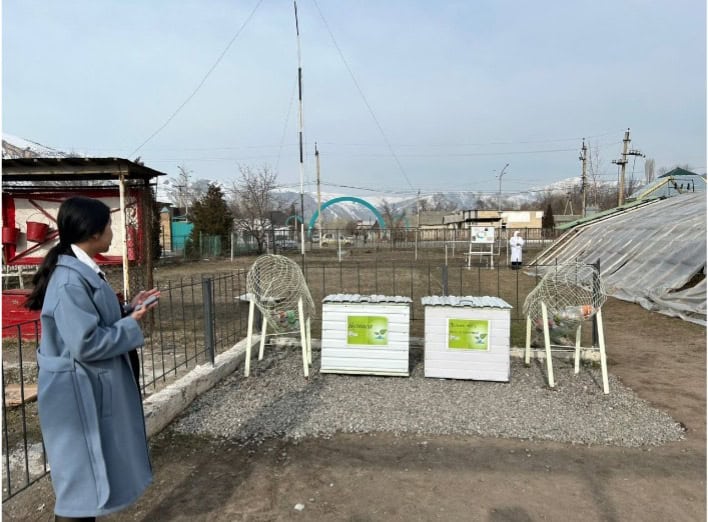
The Design Group transformed ideas into tangible solutions by planning and implementing eco-friendly initiatives within the school. Their work led to visible improvements, including a shift to reusable “eco shoppers” and the introduction of recycling bins for paper, glass, and plastics. They also installed special collection bins for plastic bottles, encouraging responsible waste management. Through these efforts, students learned how to turn abstract concepts into practical, creative actions that benefit their community.
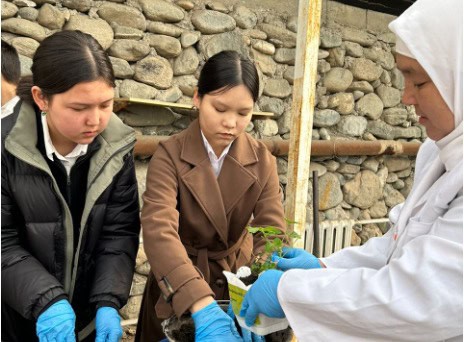
The Eco Group focused on environmental awareness and community engagement. They improved the school’s green spaces through landscaping projects and led outreach activities across the village—organizing campaigns and creating educational materials that promoted sustainable living. In doing so, they developed key communication and collaboration skills while inspiring others to take part in environmental stewardship.
Across the three groups, students practiced reading and interpreting information, analyzing complex issues, and communicating ideas clearly. By approaching climate change through research, design, and community action, the EcoMind program not only enhanced academic skills but also fostered a sense of responsibility, creativity, and collective purpose toward building a greener, more thoughtful future.
THE IMPACT
Improved reading impacting performance across mathematics, science, and a range of socio-emotional skills.
Over the academic year, students took an active role in climate resilience projects, designing and leading their own initiatives to address local environmental challenges. The program involved around 250 students across Grades 4 and 9, encouraging ownership, teamwork, and applied learning. As one Grade 9 student reflected, “I realized the importance of using information correctly. It’s crucial to verify data, analyze its strengths and gaps, and draw accurate conclusions.”
Endline assessments showed strong progress across both grades. Grade 9 students improved their literacy scores by 28%, rising from an average of 51% at baseline to 79% by the end of the program, while Grade 4 students achieved a 16% gain. These literacy improvements also boosted performance in other subjects and enhanced vital soft skills such as problem-solving and critical thinking.
By linking learning to real-world climate issues, the initiative sparked new interest in STEM subjects and led to measurable gains in reading, mathematics, and science—demonstrating the power of experiential, purpose-driven education.
RESOURCES
Download the story of this innovation in PDF form below.
Reading proficiency serves as a foundation for academic success and personal growth, equipping students with the cognitive and interpersonal skills needed to excel in various areas of life.
Erkgul Olokova, Teacher and Design Team Leader
Explore more innovations from Kyrgyzstan