5 Years
Teacher Innovator(s): Gulbarak Akynbek Kyzy
Learning Area
Literacy | Parental Involvement | Relationship Building
How might we reconnect young children with migrant parents through storytelling practices that strengthen learning and emotional wellbeing?
THE CONTEXT
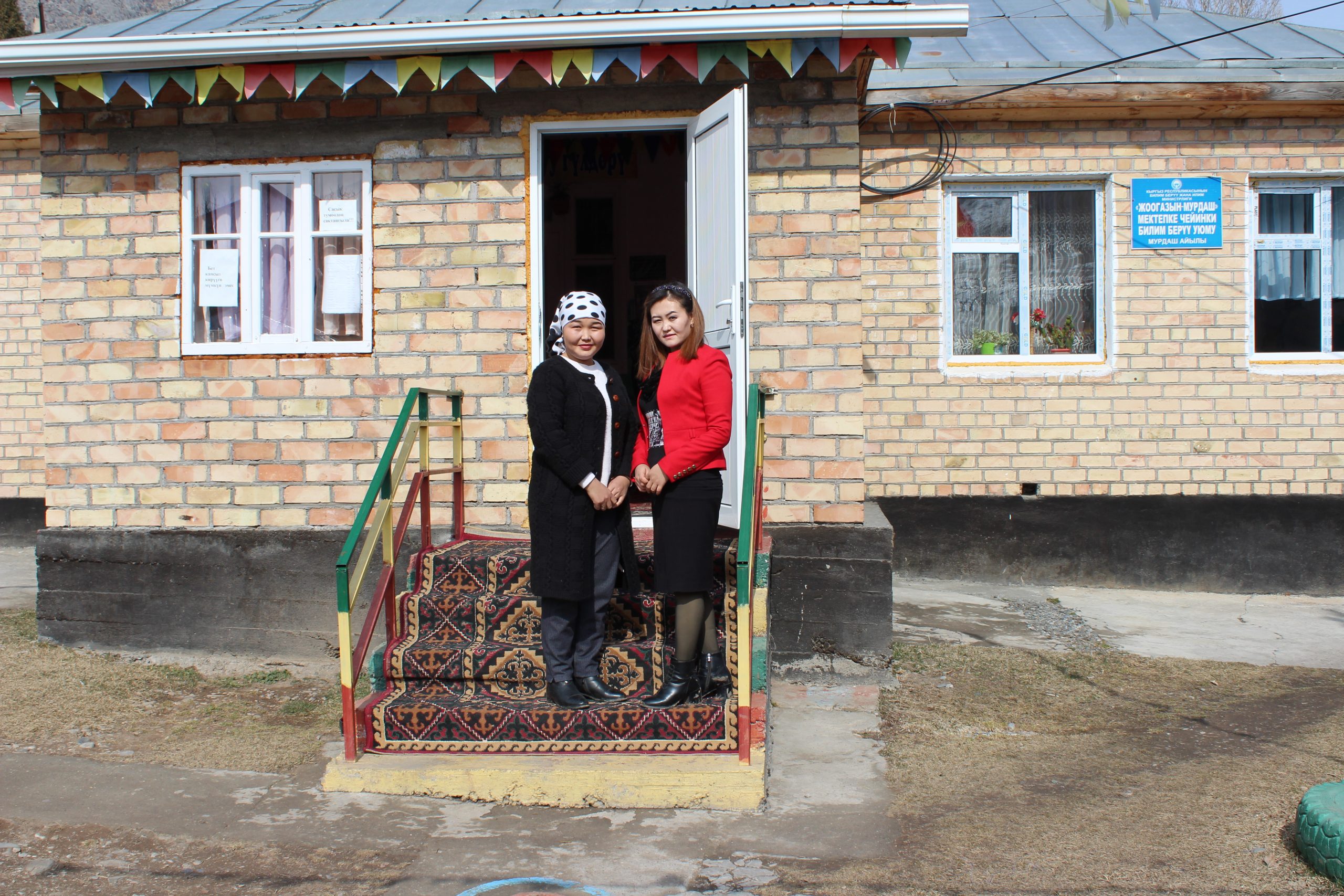
Kindergarten “Zhoogazyn-Murdash”
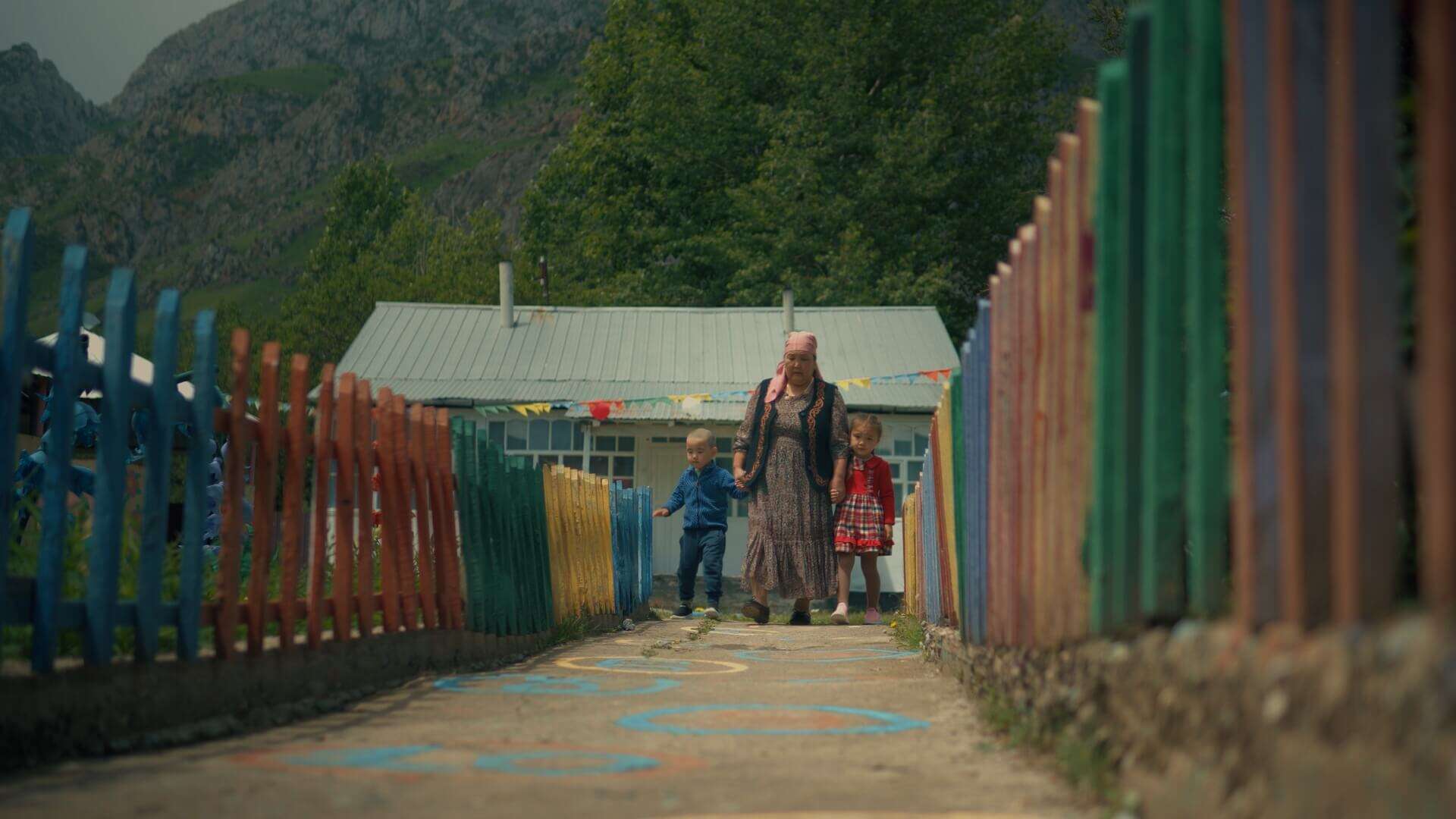
Murdash village is a remote, mountainous village in the Alay Valley, known for stunning views of the Alay and Trans-Alay mountains.
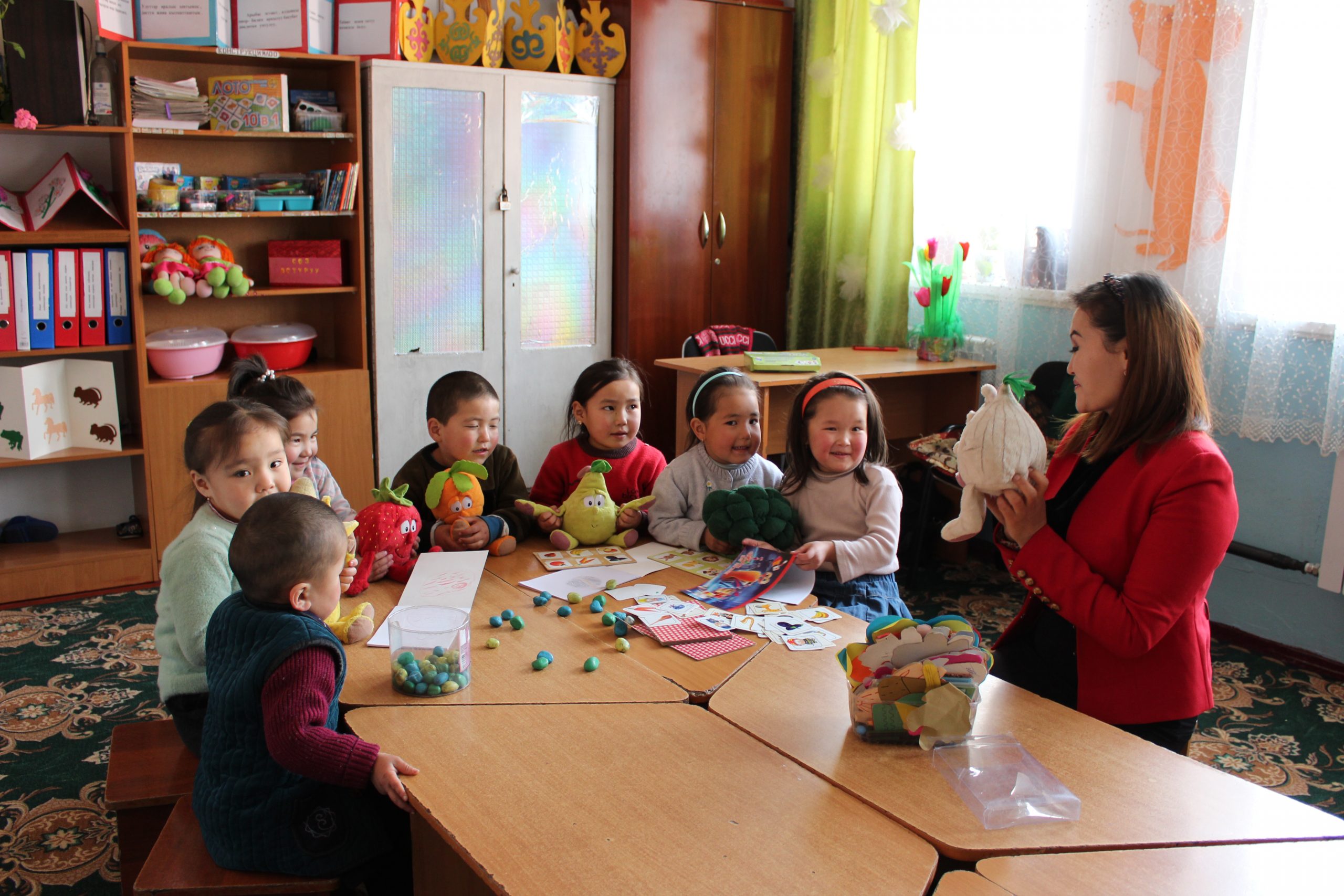
As with other rural areas in the country, young children often grow up with one or both parents working abroad. While families rely on migration for income, long-term separation has significant emotional and developmental consequences for children in early childhood. Most preschool-aged children are cared for by grandparents or other relatives who may have limited time, literacy skills, or capacity to support early learning.
THE CHALLENGE
How might we reconnect young children with migrant parents through storytelling practices that strengthen learning and emotional wellbeing?
Teachers in Murdash Village recognised that children often arrived at kindergarten longing for connection and struggling with communication, attention, and confidence. This context created an urgent need for a simple, culturally grounded way to strengthen early literacy while restoring meaningful emotional ties between children and their distant parents.
Children with migrant parents faced several intersecting barriers:
- Weak emotional connection with distant parents, leading to a sense of absence, insecurity, and longing.
- Limited home-based literacy support, as relatives caring for them often lacked time or literacy experience.
- Lower motivation and attention during lessons, especially story-based activities that rely on interaction.
- Reduced confidence and communication skills, affecting both social development and readiness for primary school.
The central challenge was how to reconnect children with their parents in a way that also meaningfully supported early language and literacy development.
THE INNOVATION
Migrant Storytelling Classes
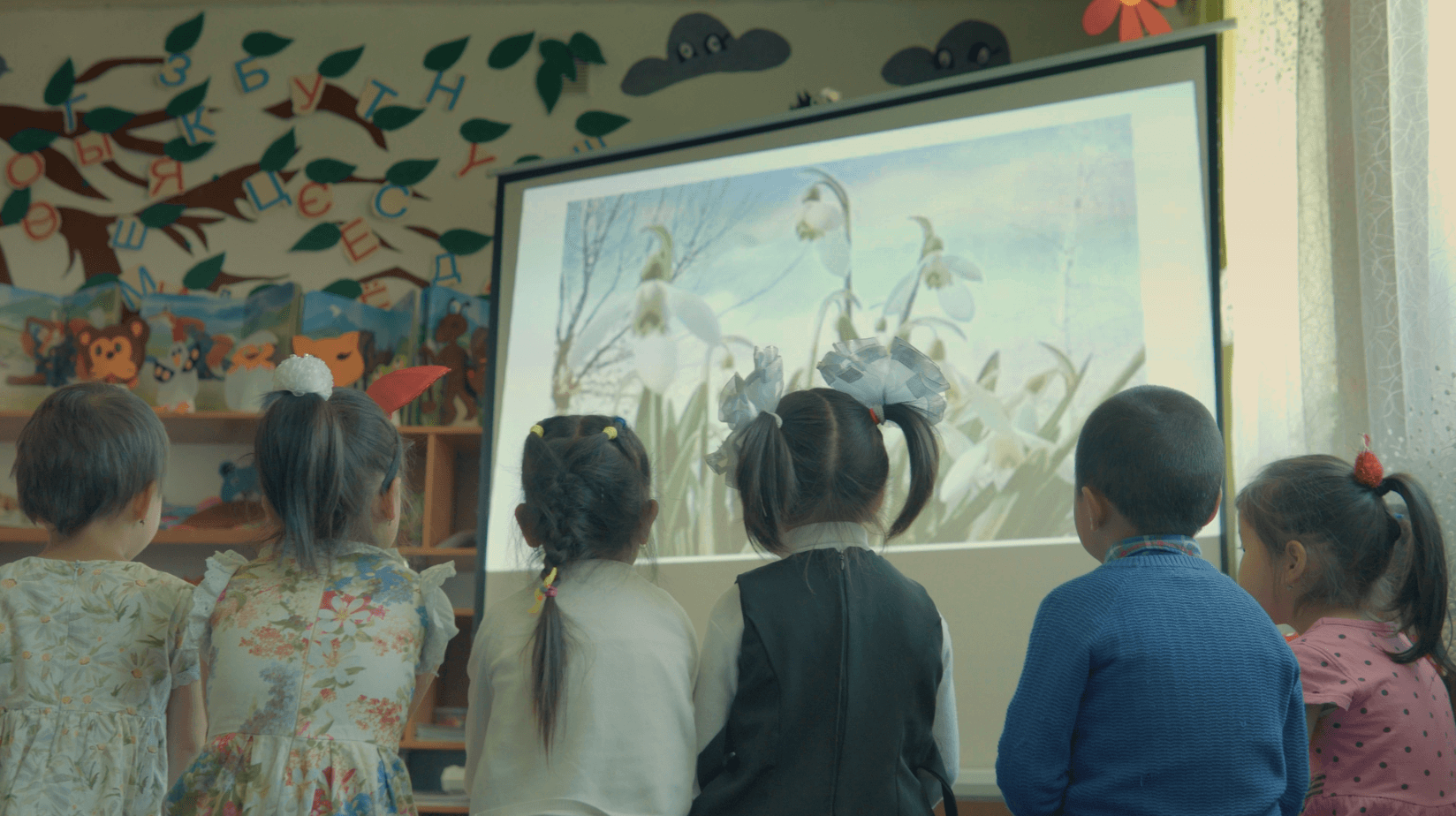
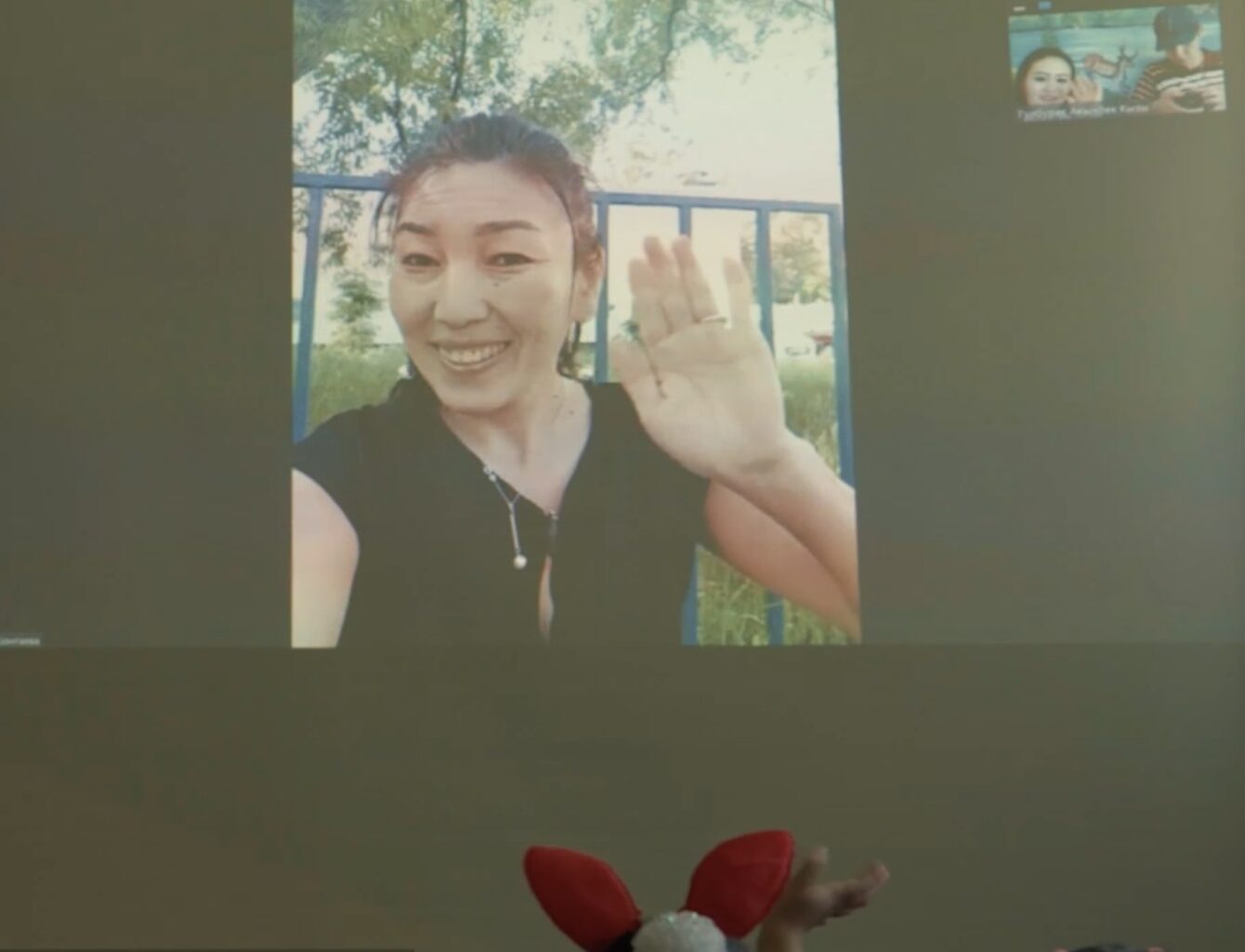
Teacher Gulbarak introduced the Migrant Parent Storytelling Classes — a simple, low-cost approach enabling parents working abroad to join preschool lessons via video call and read stories to the children. The initiative includes:
- Live storytelling sessions where migrant parents read aloud to their child’s class through video link.
- Interactive conversations after the story, allowing children to talk with their parents about characters, events, and emotions.
- Flexible scheduling to accommodate parents’ work shifts and time zones.
- A holistic focus, enriching vocabulary, listening skills, attention, and emotional connection simultaneously.
Even children whose parents could not join regularly benefitted from the shared experience, increased classroom enthusiasm, and improved group participation during story time.
THE IMPACT
Stronger emotional bonds that encourage engagement in learning
The storytelling sessions produced clear, observable improvements:
- Stronger emotional bonds: several children became visibly more settled, happier, and proud when seeing and hearing their parents during story time.
- Improved motivation: children arrived at kindergarten with more enthusiasm, eager to take part in storytelling sessions.
- Enhanced early literacy: vocabulary grew, listening skills improved, and children showed better focus during reading activities.
- Positive classroom behaviour: teachers reported fewer conflicts, calmer group activities, and increased cooperation.
- Holistic child development: children showed greater confidence, improved communication, and a stronger sense of belonging.
What began as a simple storytelling idea has become a powerful bridge between families and the classroom, enriching both emotional wellbeing and early learning outcomes.
RESOURCES
Download the story of this innovation in PDF form below.
After just two sessions, children started attending the kindergarten with pleasure. Children feel connected to their parents. As a result, they’ve become more active, motivated and engaged in learning! Conflicts among children have also decreased.
Gulbarak Akynbek Kyzy
Explore more innovations from Kyrgyzstan