Portugal
10-15 Years
TerTuAli
How might we ensure the long-term sustainability of interactive spaces and ensure a culture of discussion and dialogue in lessons?

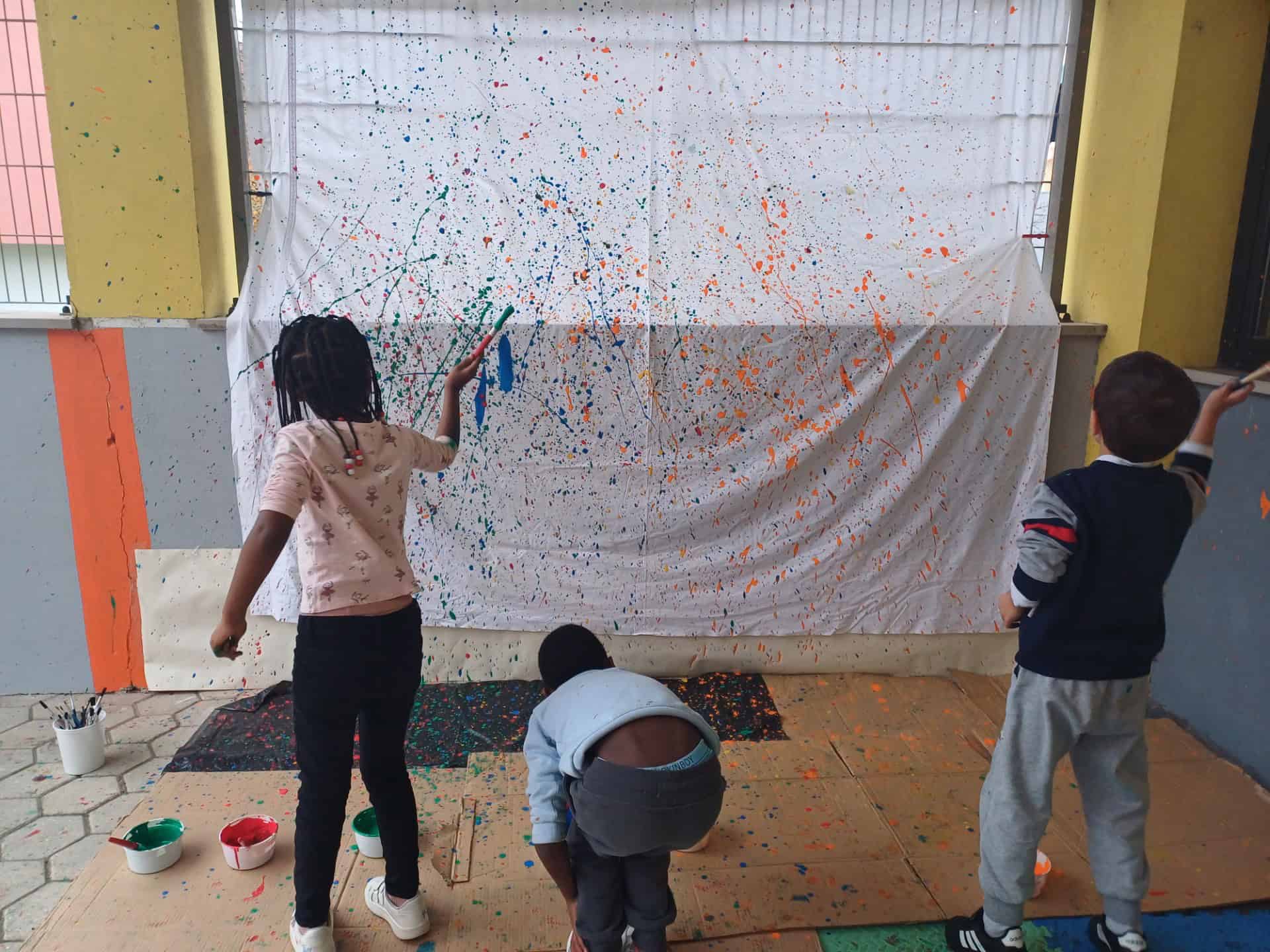
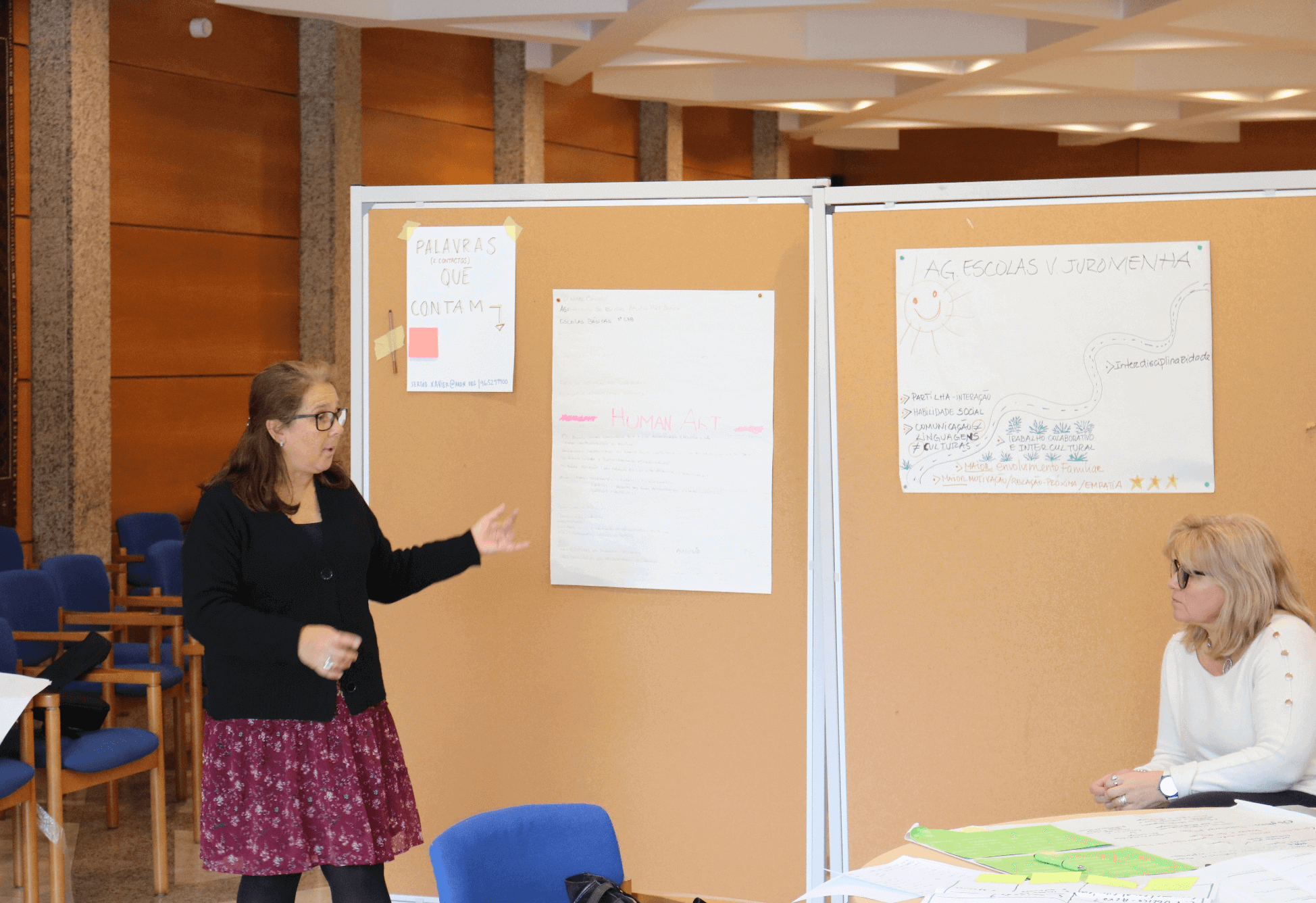
The Agualva Mira Sintra School Cluster (AEAMS) is located in the municipality of Sintra, on the outskirts of Lisbon. The area is densely populated and marked by significant social and economic challenges. Many families in the community face unemployment, job insecurity, and limited access to social services. It is also an area with a high concentration of migrant families and cultural diversity, which brings both richness and complexity to the school context. Many of the 2,828 students served by the eight AEAMS schools are from disadvantaged backgrounds and require additional support in their studies.
One of the main challenges for AEAMS has been low teacher engagement. Many teachers reported feeling overwhelmed and needed more support. In response, and through their participation in the Schools2030 programme, the school cluster determined to introduce activities aimed at improving collaboration, motivation, and the quality of teaching practices. But an assessment into the socio-emotional competencies of students also revealed crucial challenges in the skill areas of empathy, conflict resolution and communication. This insight became a turning point, offering a deeper understanding of the AEAMS needs. A question emerged which hoped to address both the needs of the students and the teachers at once: How might we foster empathy and collaboration in our students whilst also improving teacher communication?
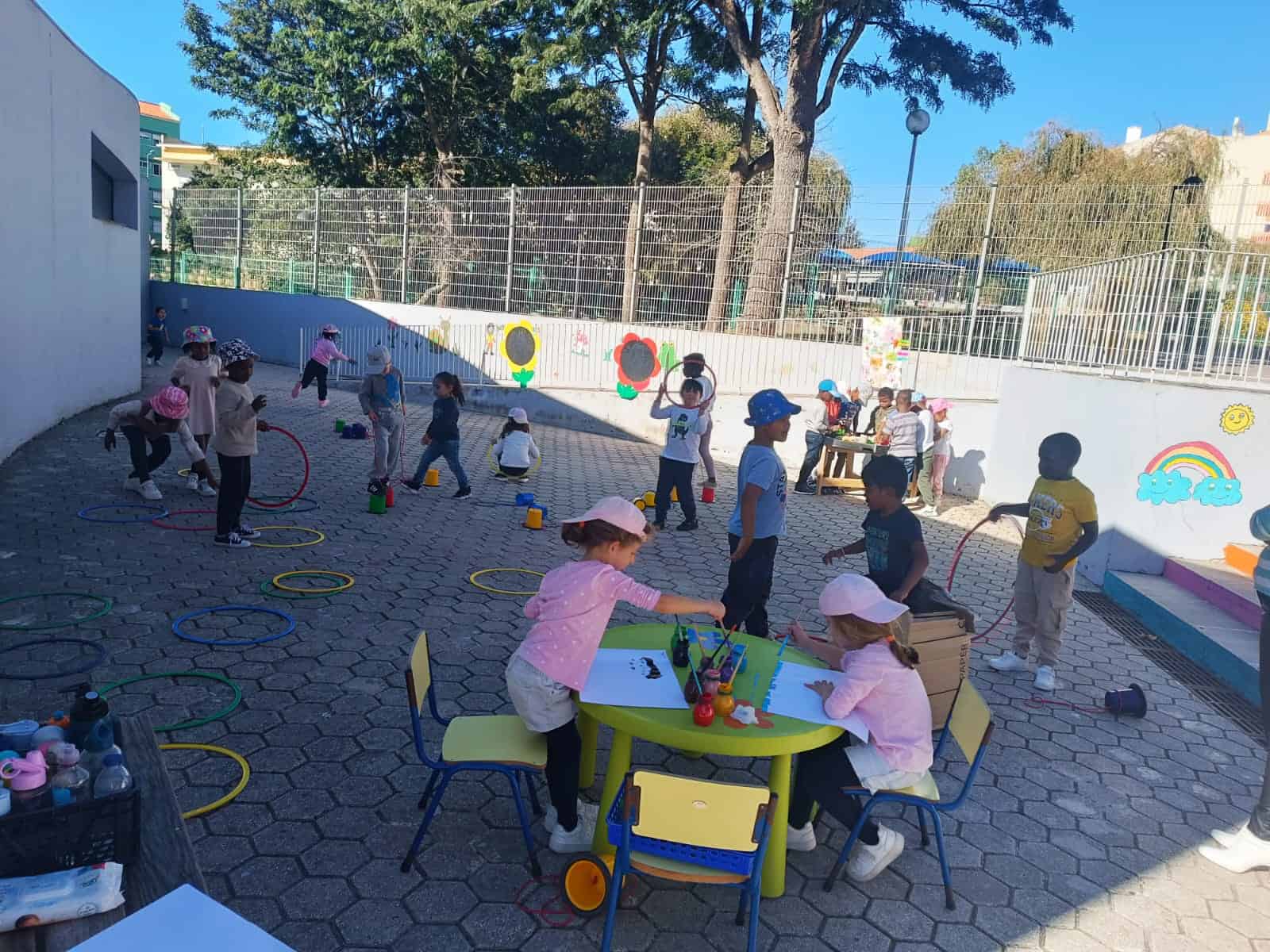
To realise their vision, the innovation team assessed the schools’ resources and interviewed teachers, students, and families to take in the full range of perspectives. The result of these explorations was the ‘Human Art’ initiative. Human Art reimagines learning by bringing together children aged 3 to 10 in creative, mixed-age workshops including painting, music, and philosophy for children. Designed to nurture socio-emotional growth, self-expression, and collaboration, these sessions are led by teachers and run weekly or biweekly across three schools in the cluster. Each workshop is flexible and inclusive, promoting empathy and cooperation by allowing younger and older children to learn side by side. This dynamic setup supports a more holistic and child-centred approach to education.
Now in its second year, the Human Art initiative has become a firmly established part of the school community. School leadership has played a key role in embedding Human Art into lesson time, enabling a shift in school culture and structure. By adopting flexible schedules and active methodologies, schools now foster deeper engagement and creativity. Collaboration among teachers, staff, and families, along with streamlined access to materials, has been essential in making Human Art a sustainable and impactful innovation poised to influence educational practices across the school network.
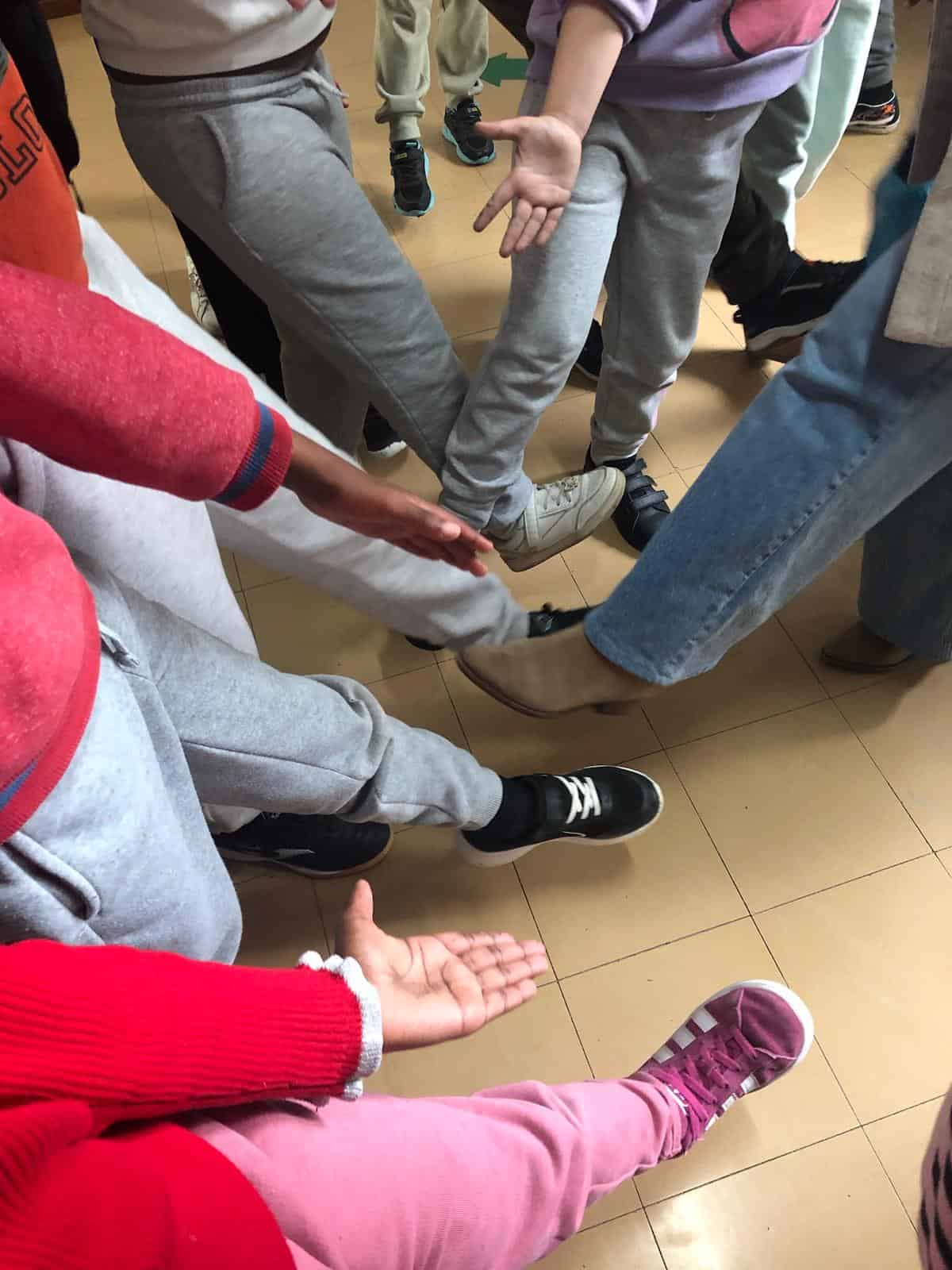
The impact is most visible in the way children relate to one another. Older students naturally support younger peers, guiding and encouraging them through challenges. This culture of empathy and cooperation empowers younger children to see their growth as a process, while older ones take pride in mentoring. By weaving mixed-age creative workshops into the school’s structure – and continuously adapting based on feedback from students, parents, and teachers – Human Art has grown into a sustainable and deeply rooted educational approach.
Download the story of this innovation in PDF form below.