10 Years
Teacher Innovator(s): Ghulam Abbas Haidiri
Learning Area
Collaboration | Communication | Creativity | Literacy | Numeracy | Science
How might we modernise teaching and make lessons more engaging for students?

THE CONTEXT
Shunbul High School
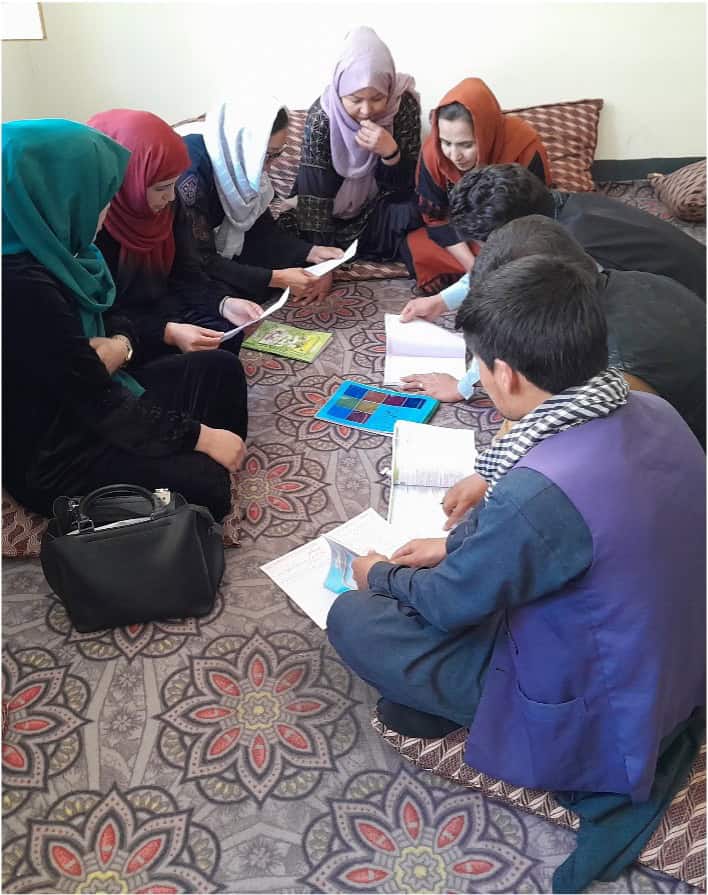
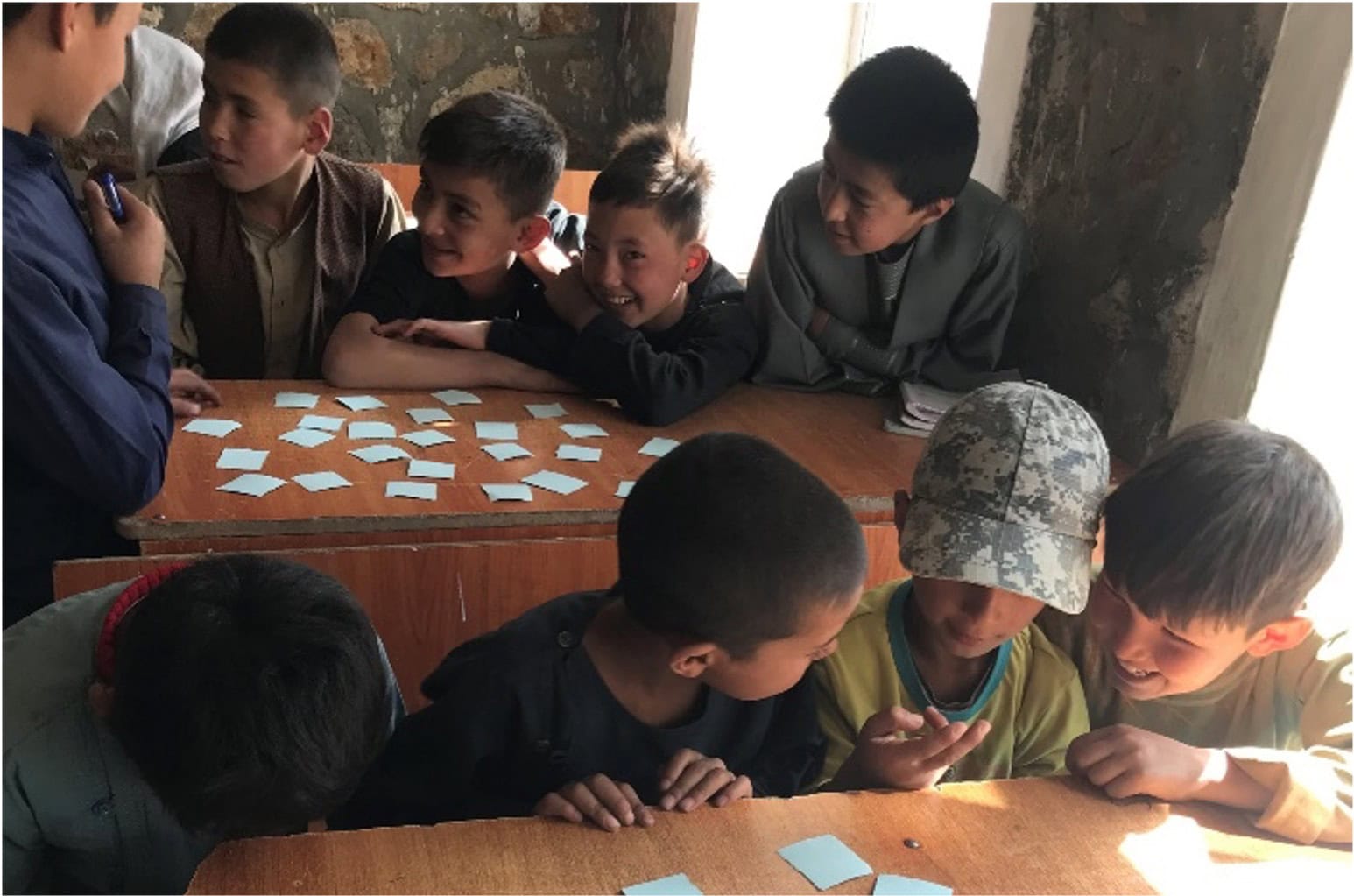
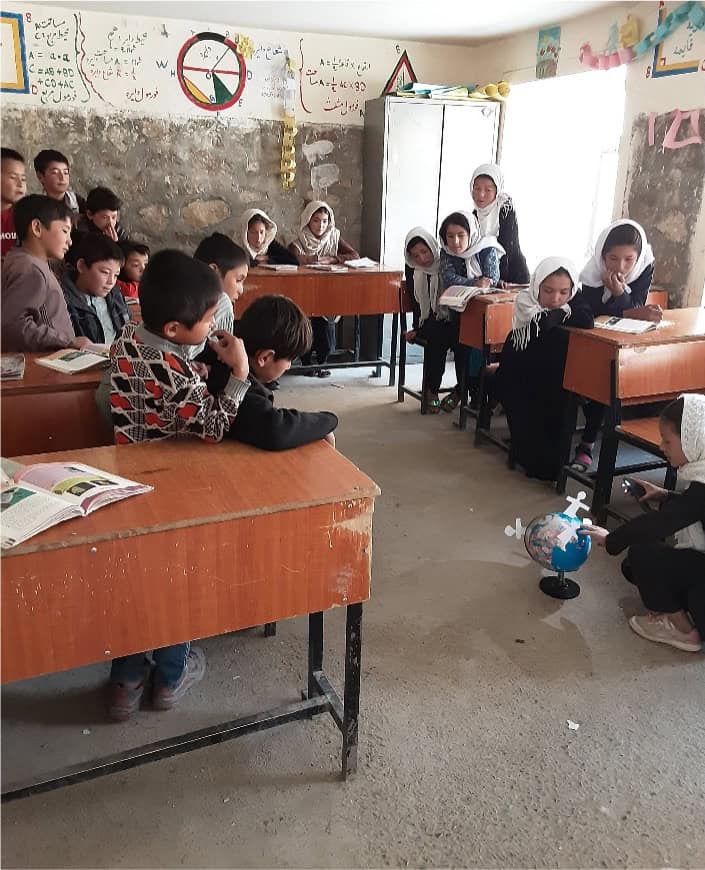
Shunbul High School, located in Shibar District, Bamyan Province, serves 190 students from 13 villages, with most families relying on farming and livestock for their livelihood. A baseline assessment revealed that students have low proficiency in multiple subjects, and teachers struggle with modern instructional methods. Additionally, many parents are illiterate, limiting academic support at home.
THE CHALLENGE
How might we better engage our students?
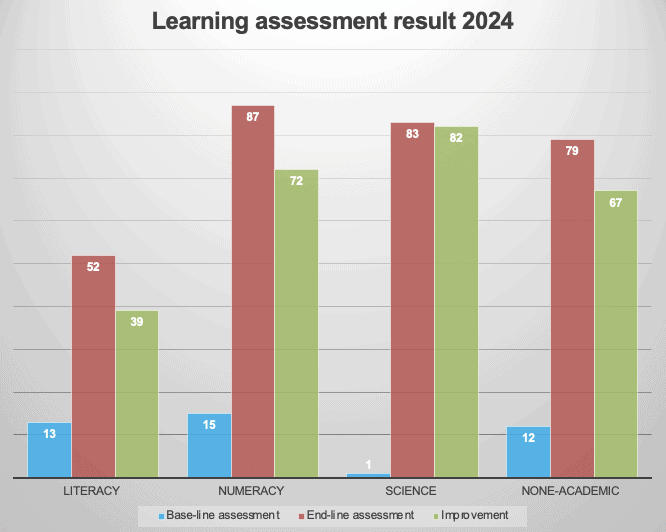
A baseline assessment revealed significant learning gaps, with low proficiency levels in Literacy/Dari (12.8%), Mathematics (15.2%), Science (0.15%), and Arts and Culture (12%). Interviews with students, teachers, and parents explored some of the potential barriers resulting in such low outcomes. Absenteeism was identified as a key problem as many students do not attend school regularly. Interviews revealed that students are often absent because they felt lessons were overly theoretical and not relevant to them. Many students also noted that a lack of support for homework made it difficult to keep up with lessons.
THE INNOVATION
Learning By Doing
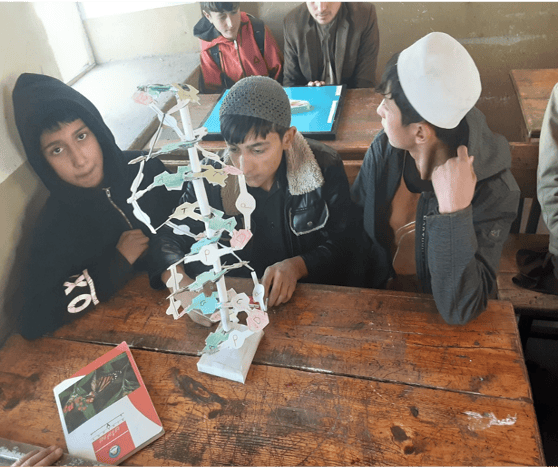
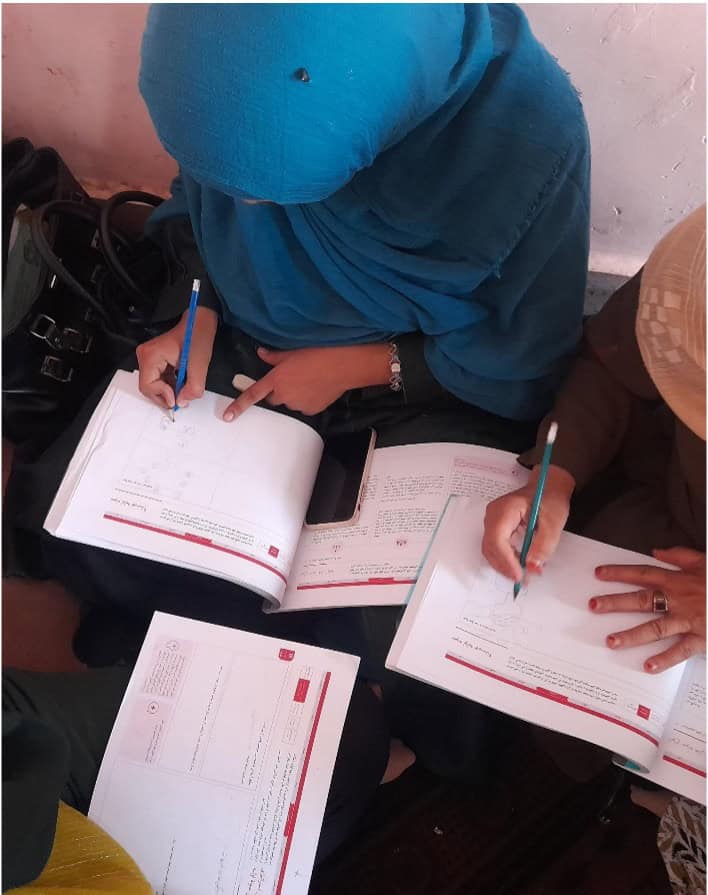
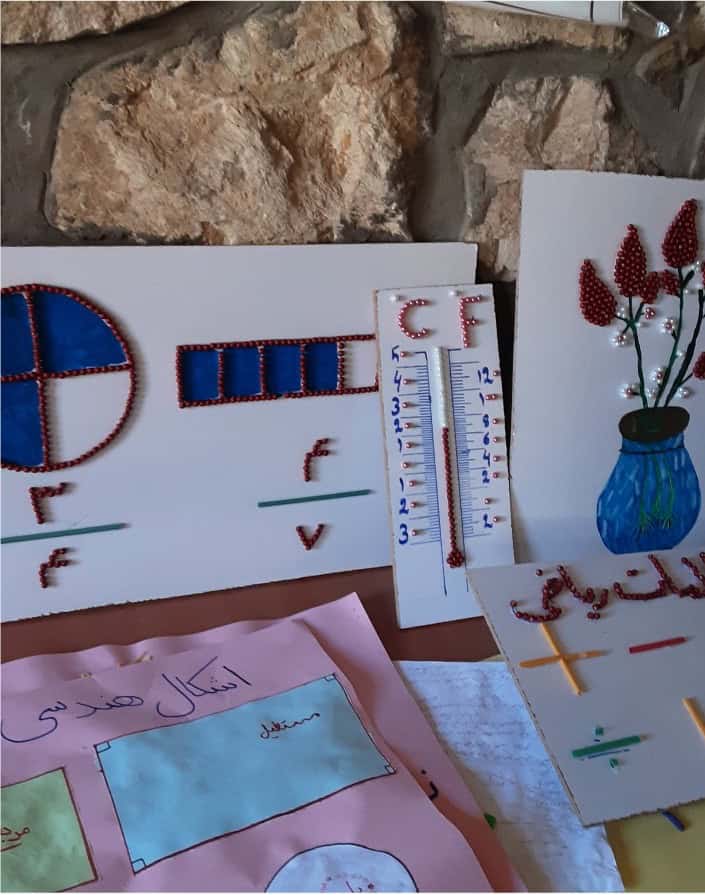
‘Learning by Doing’ was implemented for 24 students from Grade 4, focusing on enhancing teaching methods and providing adequate educational resources. Teachers received training in modern instructional techniques and the use of supplementary materials, while students engaged in interactive learning activities across various subjects. In Literacy/Dari, methods such as storytelling, role-playing, and structured writing exercises were introduced. Mathematics instruction incorporated modelling, group work, and problem-solving activities linked to real-life applications. Science lessons emphasised hands-on learning through outdoor teaching, scientific model building, and plant observation projects. Non-academic subjects included exploring local traditions, historical sites, and artistic expression. Additionally, experienced teachers mentored their peers, and workshops were held to raise parental awareness about the importance of education.
THE IMPACT
A huge improvement in outcomes
The solution was implemented in a single classroom over several months, and according to the endline assessment and observations, there has been a huge improvement in students’ overall performance, increased teacher familiarity with modern teaching methods, and a reduction in student absenteeism. Baseline and endline assessments confirmed that student knowledge and understanding had indeed improved across Dari (+39%) Mathematics (+72%) Science (+82%).
RESOURCES
Download the story of this innovation in PDF form below.
We’ve witnessed remarkable changes in our school. Our teachers teaching methods have evolved completely, and they have become much more creative. Both teachers and students are now creating educational models using affordable or low-cost or no-cost materials.
Ghulam Abbas Haidiri
Explore more innovations from Afghanistan