10-15 Years
Teacher Innovator(s): Anabela Carvalho
Learning Area
Critical Thinking | Empathy | Literacy | Numeracy | Problem-Solving | Relationship Building
How might we ensure the long-term sustainability of interactive spaces and ensure a culture of discussion and dialogue in lessons?

THE CONTEXT
Ferreira de Castro School Cluster
The Ferreira de Castro School Cluster, comprising six schools, is located in Algueirão–Mem Martins, Sintra, in the Lisbon district. The cluster serves 2,256 students and operates within a densely populated community marked by high unemployment and low average income.
The surrounding area includes the Casal de São José neighbourhood, characterised by economically disadvantaged families with low levels of formal education and precarious employment. Many children lack adequate support for schoolwork at home. The community also includes residential facilities for at-risk youth, some presenting behavioural challenges and difficulties in social interaction.
Educational priorities across the cluster include addressing socio-economic barriers, promoting inclusion and equity, improving academic achievement, strengthening student engagement, enhancing articulation between educational cycles, improving internal communication, preventing absenteeism and school failure, and mitigating the lasting effects of the pandemic—particularly on vulnerable learners.
THE CHALLENGE
How might we ensure the long-term sustainability of interactive spaces and ensure a culture of discussion and dialogue in lessons?
The cluster sought to strengthen learning outcomes while simultaneously improving social cohesion and the physical school environment. Traditional approaches were not fully addressing students’ sense of belonging, engagement, or agency. There was also a need to revive inclusive, dialogic educational strategies that promoted participation, critical thinking, and collaboration across age groups.
Balancing pedagogical transformation with structural improvements to physical spaces presented an additional complexity. The school needed a model that could enhance academic skills while also fostering ownership, responsibility, and community involvement.
THE INNOVATION
TerTuAli
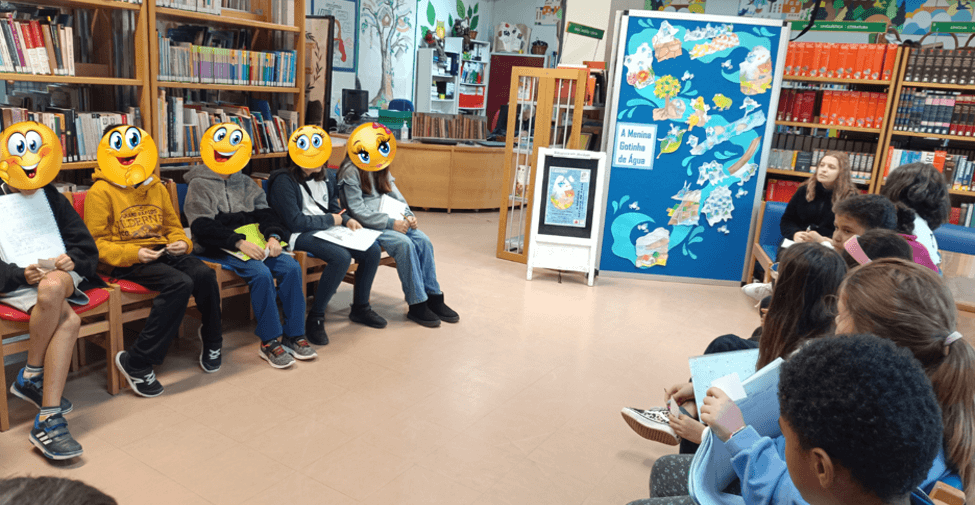
TerTuAli was launched in 2022 as a holistic initiative spanning preschool through Grade 9 (ages 3–15). It revitalised evidence-based inclusive educational strategies, particularly Dialogic Tertulias (dialogue-based gatherings to discuss works of literature) and Interactive Groups.
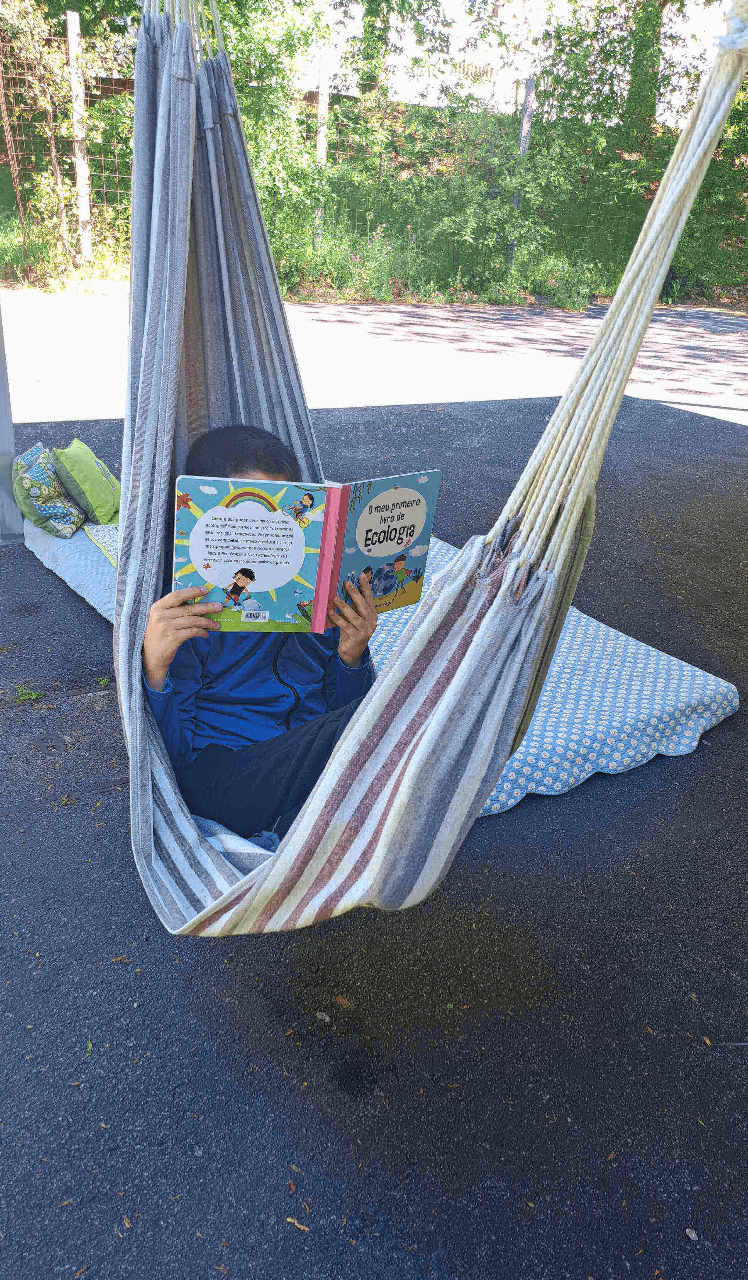
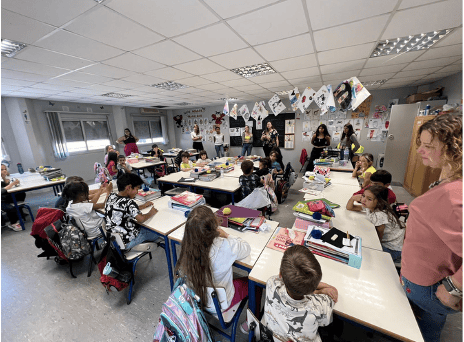
Dialogic Tertulias created structured spaces for dialogue, where students engaged in shared reading and critical discussion. Interactive Groups organised learners into heterogeneous teams supported by adults or volunteers, encouraging collaboration and peer learning.
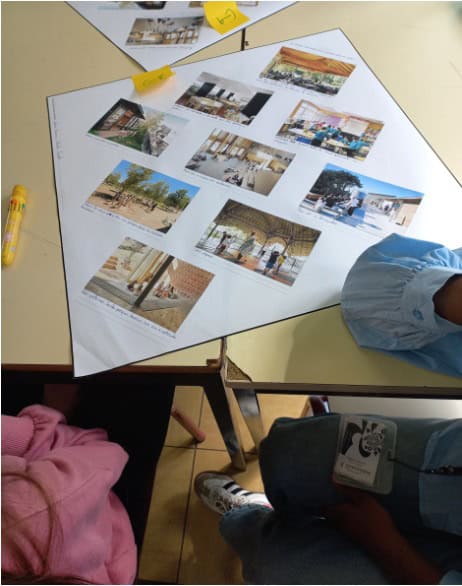
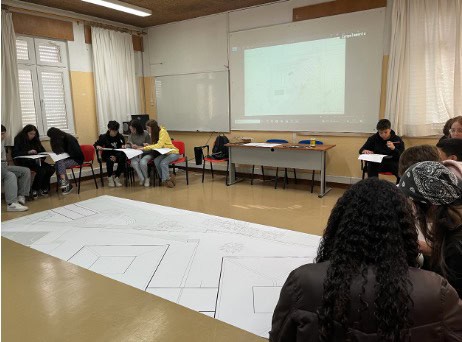
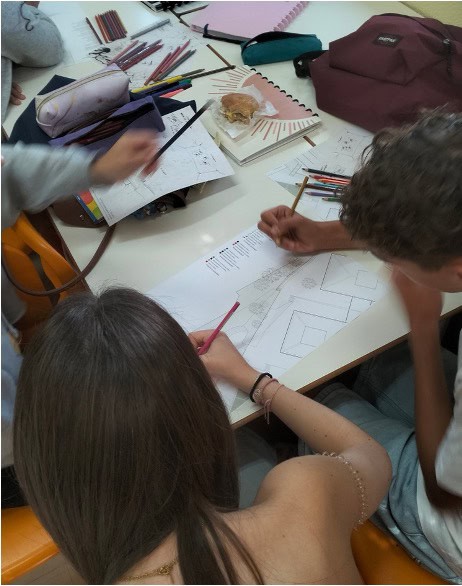
Students aged 10–15 participated in workshops that reimagined and redesigned physical school spaces in collaboration with an architecture student. This partnership connected pedagogical innovation with spatial transformation, ensuring that improvements to school spaces reflected student voice and real needs.
Older students were trained to lead Dialogic Tertulias and Interactive Groups, mentoring younger peers and strengthening vertical collaboration across age groups. Workshops prioritised student leadership, helping to balance the pedagogical and structural dimensions of the initiative.
TerTuAli evolved into a student-led, community-supported approach that positioned learners as active contributors to school improvement rather than passive recipients of change.
THE IMPACT
A more cohesive and engaged learning environment
TerTuAli strengthened both academic engagement and social cohesion across the school cluster. Students demonstrated improved literacy skills through structured dialogic reading and discussion, while Interactive Groups enhanced collaboration, communication, and problem-solving abilities.
Older students developed leadership and mentoring skills by facilitating sessions and guiding younger peers. This vertical collaboration fostered responsibility, empathy, and mutual respect between age groups. Students reported feeling more valued and more confident in expressing their ideas.
The co-design of physical school spaces increased students’ sense of ownership and belonging. Classrooms and common areas became more functional, welcoming, and aligned with learner needs. Teachers observed higher participation rates, more constructive peer interaction, and stronger classroom dynamics.
Community involvement increased as families and external partners became more engaged in school initiatives. The project contributed to a shift in school culture toward inclusivity, dialogue, and shared responsibility.
RESOURCES
Download the story of this innovation in PDF form below.
Our favourite part of the job is to have our students involved in our project and make them believe in change.
Anabela Carvalho
Explore more innovations from Portugal