On 26 March 2026, teachers, educators and policymakers from across the Schools2030 network came together for the first session of our 2026 Virtual Forum series: Resilient Schools, Resilient Communities – Education and Wellbeing in Challenging Contexts.
Three teachers took centre stage to share stories of the challenges they and their students face daily, and how they work to overcome these and deliver education against the odds.
From Afghanistan: A spring of wisdom
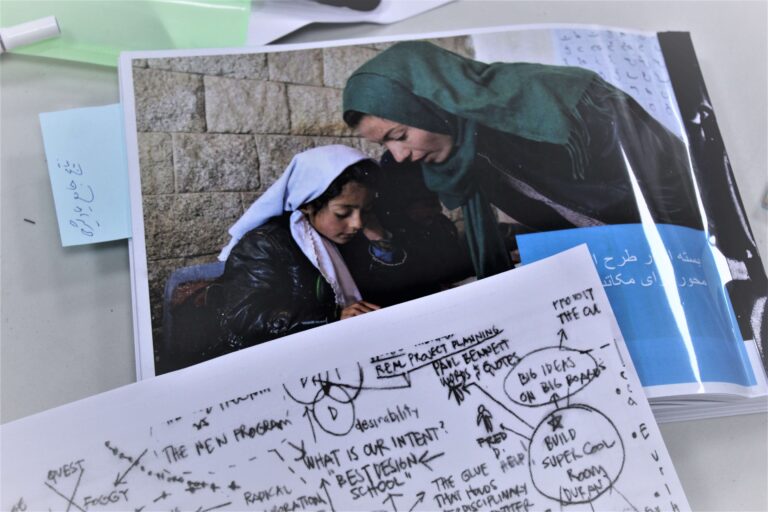
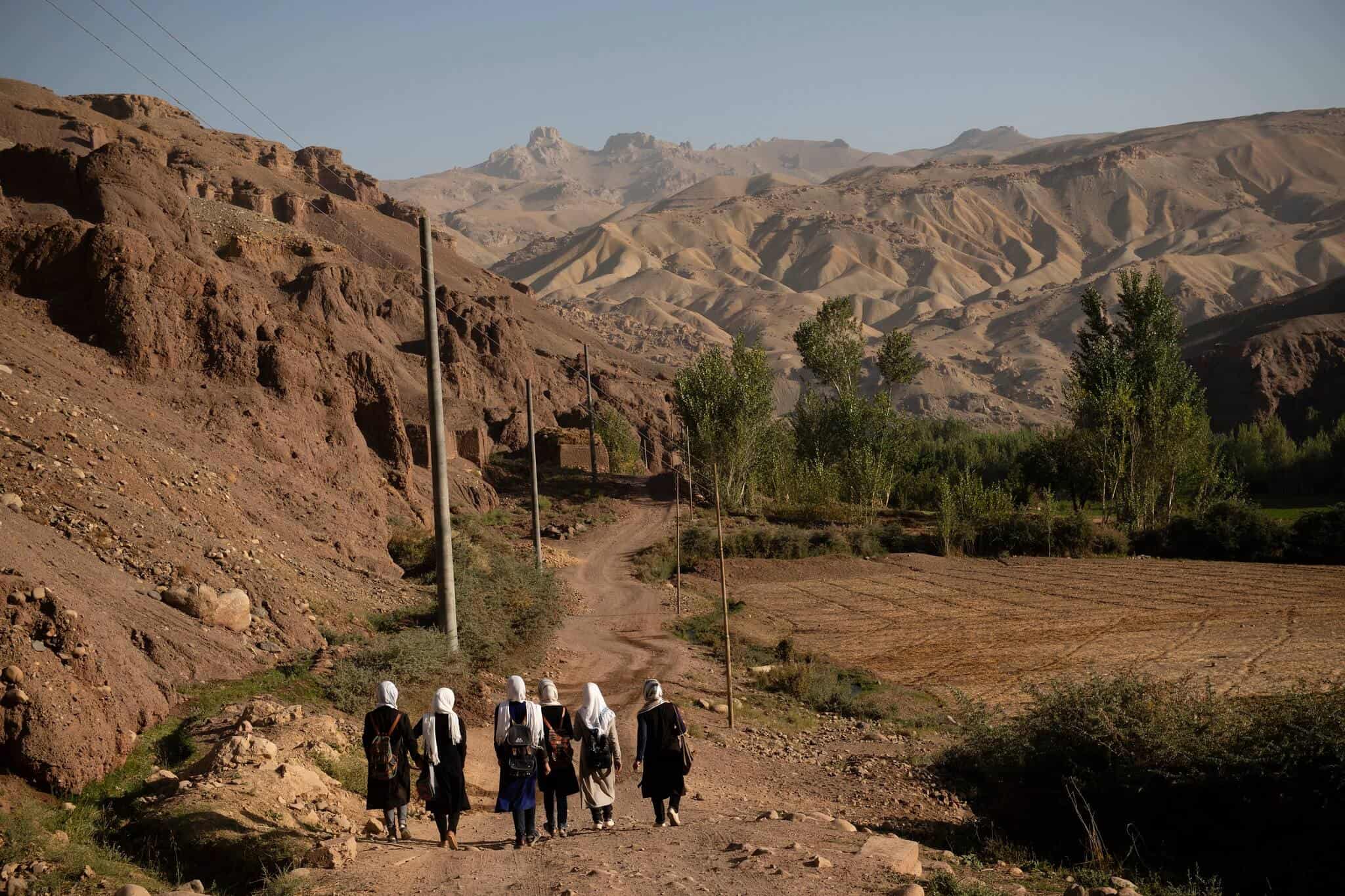
Shukria Akbari teaches at Hazrat Zaid Girls’ School in Baghlan province, a school that has absorbed dozens of displaced and returnee children following devastating floods. Before she changed her practice, she noticed something troubling: when she asked students questions, they couldn’t answer — not because they didn’t know, but because they were in distress from the traumas they had lived through.
The innovation she has developed through Schools2030 has changed that. Watch the session to hear how.
From India: Turning fear into dialogue
Ashutosh Kumar teaches mathematics at a government girls’ school in Bihar, where many students arrive with weak foundations and face poverty, early marriage, and poor attendance. His response was a peer learning space that turned the most feared subject in the classroom into something students actively seek out.
In one class, participation more than tripled.
From Uganda: No longer running away
Josephine Candiru teaches primary mathematics in a school where many children are separated from their parents. Faced with students who dreaded long division, she took a completely different approach, gamifying the concept entirely so that learning felt less like a lesson and more like play. Today, she says, the children “no longer run away from mathematics.”
Watch the session to hear Josephine tell it in her own words.
The wider conversation
The teacher presentations were followed by responses from Education Cannot Wait, and representatives from Pakistan and Kenya who brought their own hard-won perspectives.
Beza Tesfaye, Monitoring and Evaluation Specialist at Education Cannot Wait, spoke of a recent visit to Somalia where she met internally displaced children who had fled violence and were living through a climate emergency, yet remained eager to learn. For her, the visit reaffirmed that education in crisis contexts is not simply about access. It is about creating normalcy, and giving children the social and emotional tools to be resilient.
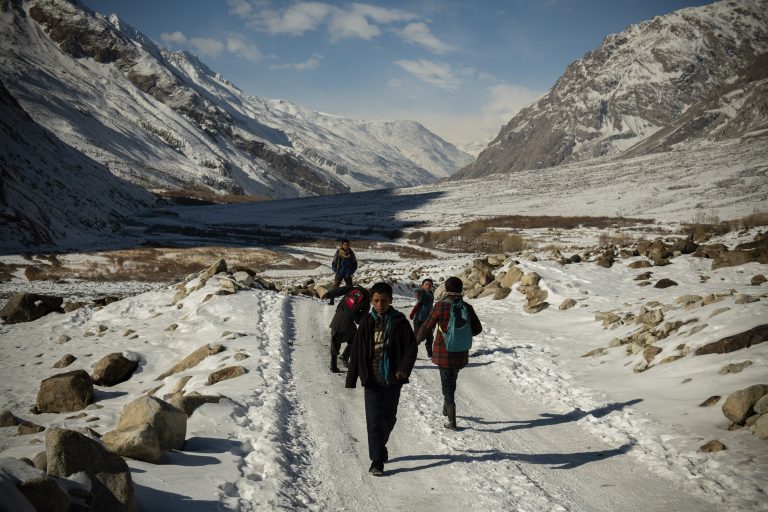
Didar Panah, Deputy Director of Education in Ghizar, Pakistan, shared how flooding in 2025 had displaced 200 families and affected four schools and around 2,000 students. From that crisis came something new: a four-day training in psychosocial support techniques for teachers – many of whom had never received such training before.
Amina Bedzengah, Programme Coordinator at Kwale Focus in Kenya, spoke about communities where education. particularly for girls, is not always seen as a priority. Through mentorship programmes, her organisation creates spaces where students can share what they are going through, and begin to heal.
Together, they reaffirmed what Schools2030 has seen across five years and ten countries: resilience in education is not built through policy alone. It is built in the small, intentional moments when a teacher decides to do something differently.
Watch the full session recording above — and join us for Part Two on 7 May 2026.