Learning in a landscape of uncertainty
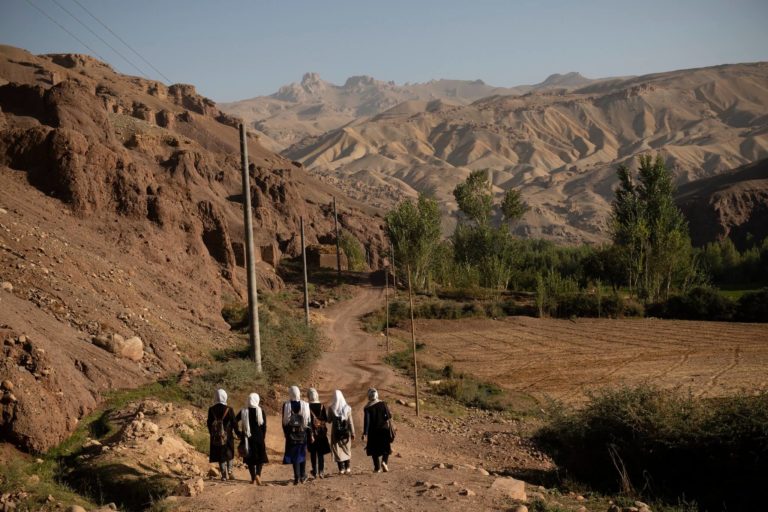
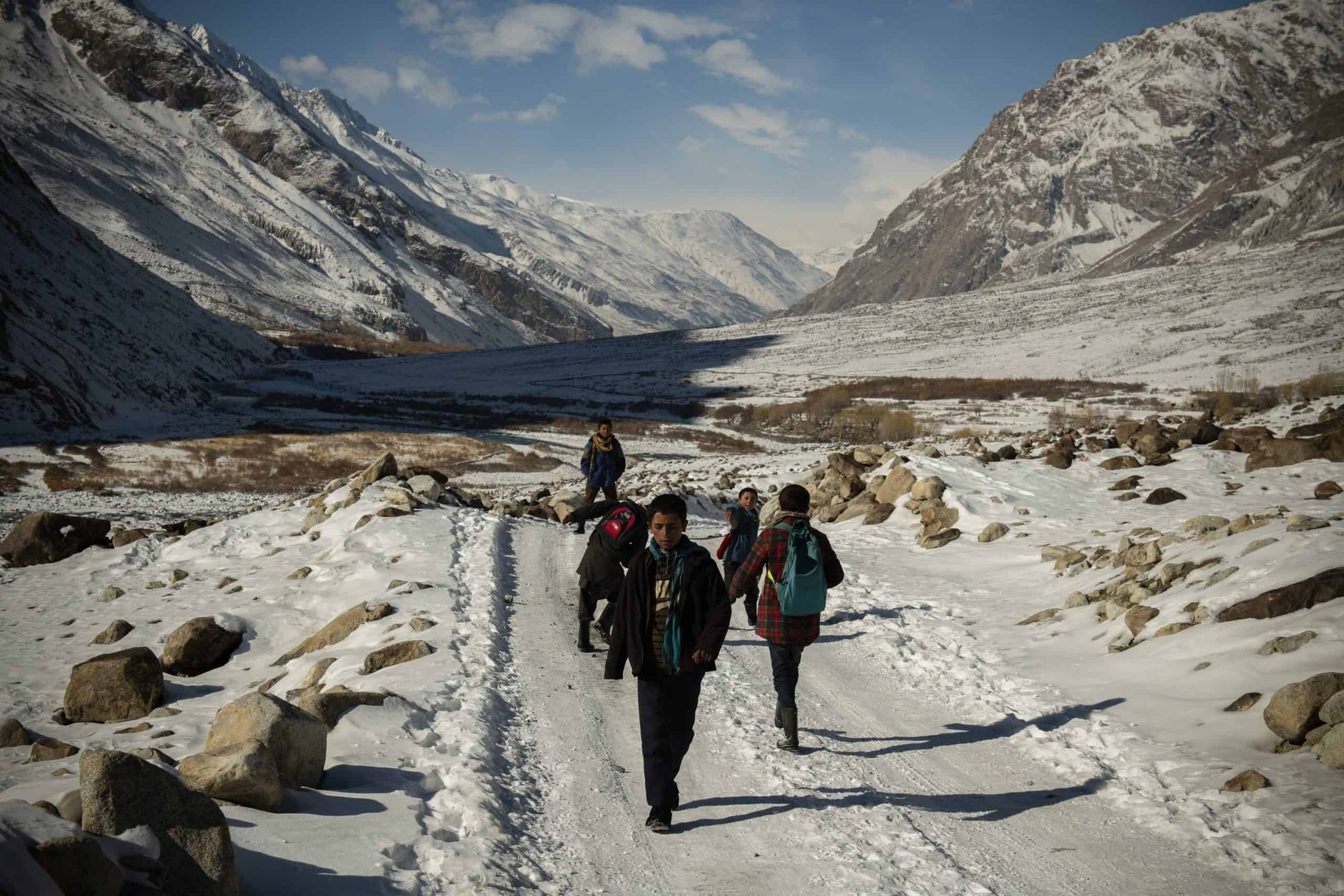
Over the past five years, education in Afghanistan has unfolded against a backdrop of disruption. Classrooms have absorbed the shock of school closures during COVID-19, political transition, economic instability, and growing constraints on daily life — pressures that have weighed heavily on both learners and teachers. In this environment, the challenge has not only been academic recovery, but emotional endurance: how to sustain motivation, hope, and a sense of purpose in classrooms impacted by uncertainty.
Yet throughout, students have blossomed thanks to the perseverance of teachers who have chosen to focus on what they can influence most directly: their classrooms. They have co-developed and used assessment tools better to understand students’ needs, experimented with new ways of teaching, and carved out moments to reflect and adapt. In so doing, they protected what matters most – their professional agency, their creativity, and their capacity to make a difference in the lives of those they teach, even as pressures beyond the classroom remain constant.
Classrooms as spaces of engagement, safety, and recovery
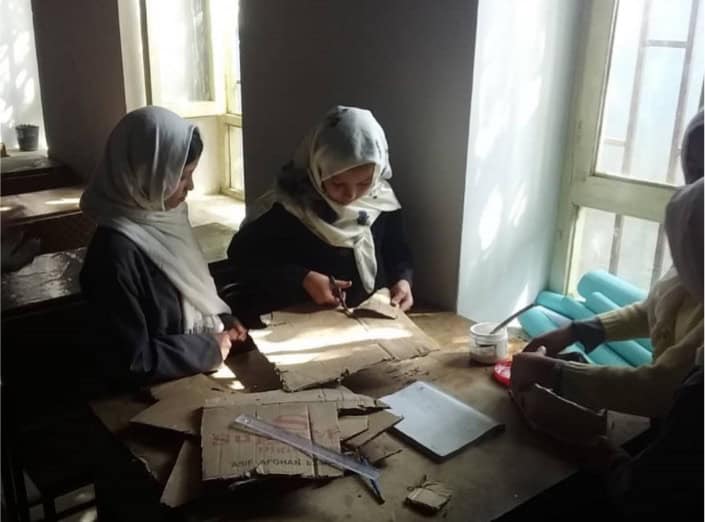
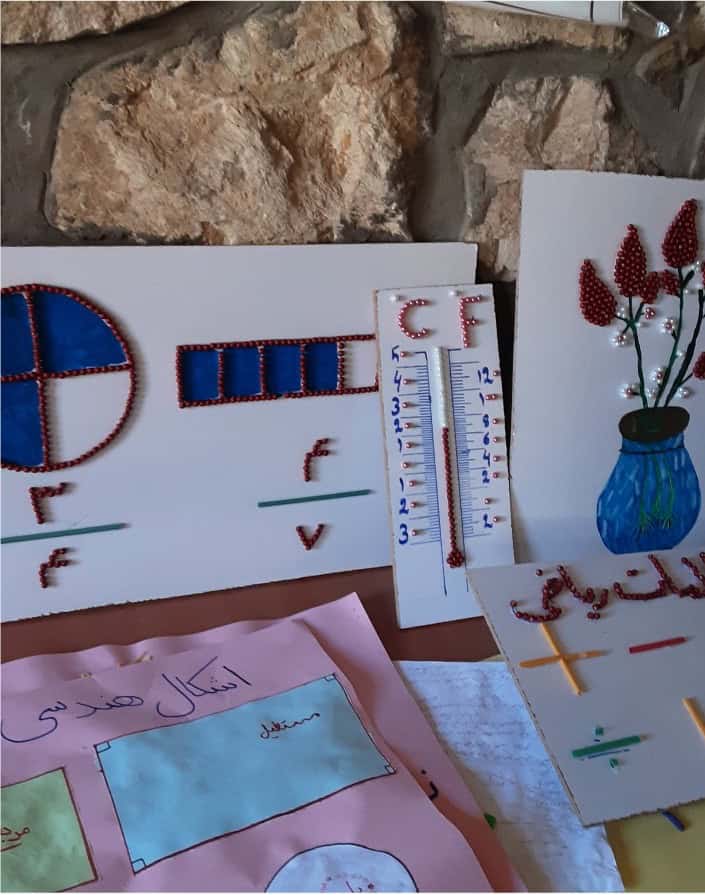
Across the teaching communities that the Aga Khan Foundation in Afghanistan has worked with, a pedagogical shift has become clear. Teachers have consistently moved away from lecture-based instruction and toward project and activity-based learning that prioritises participation and collaboration. While these approaches address learning loss very effectively which is evidenced by a vast improvement in student scores, they also serve a second crucial purpose: rebuilding confidence, routine, and emotional safety for students who have experienced prolonged disruption.
Consolidation classes are a clear example. Designed as a response to COVID-19 closures after assessment data showed gaps in foundational literacy and numeracy, these short, targeted sessions used games, group work, storytelling, and problem-solving activities to support catch-up learning. Importantly, the atmosphere of these classes mattered as much as the content. Teachers reported that students who had become withdrawn or anxious during periods of interruption began to re-engage when learning felt playful, achievable, and collective. Their success became a source of renewed self-belief.
Another example is community-based remedial classes, established in local spaces and supported by trained volunteer teachers, which have provided flexible, multi-grade learning opportunities to those unable to attend regular schooling that are aligned with the national curriculum. Through a variety of teaching approaches including video lessons and guided discussions, students were able to strengthen foundational skills at their own pace. Importantly, these classes also integrated life skills, psychosocial support, and opportunities for creative self-expression, offering learners a safe routine, a sense of belonging, and renewed confidence. In a context of ongoing uncertainty, these community-led spaces became anchors of both learning and wellbeing.
Innovative teaching practices as opportunities for student growth
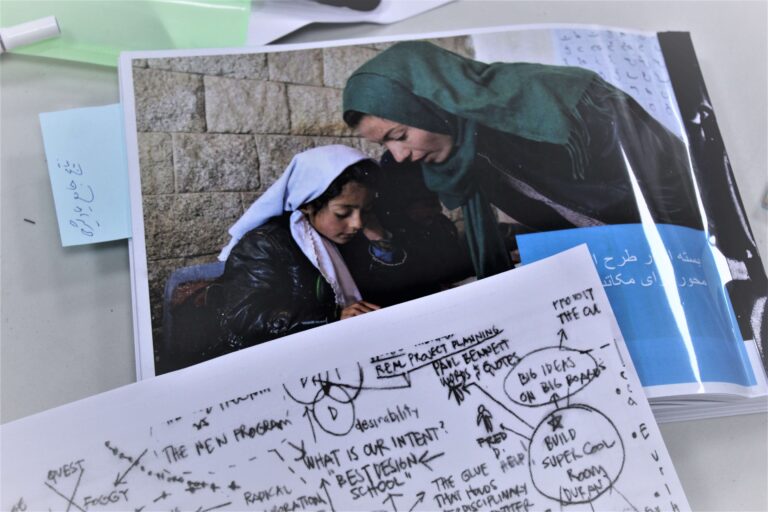
The innovation process teachers have undertaken with Schools2030 has also proved an opportunity for teachers to update their pedagogy and integrate practices that support enhanced wellbeing into everyday classroom practice. Take the Learning through Activities innovation designed by teachers in Bamyan for example. By embedding movement, discussion, hands-on materials, and peer collaboration into lessons, teachers saw improvements not only in academic performance but also in attendance, participation, and classroom relationships. Students were no longer expected to absorb knowledge passively; they were invited to experiment, speak, build, and reflect. This active engagement reduced stress, particularly for learners who struggled in traditional settings, and created a classroom culture where mistakes were considered an opportunity to grow, rather than a source of shame.
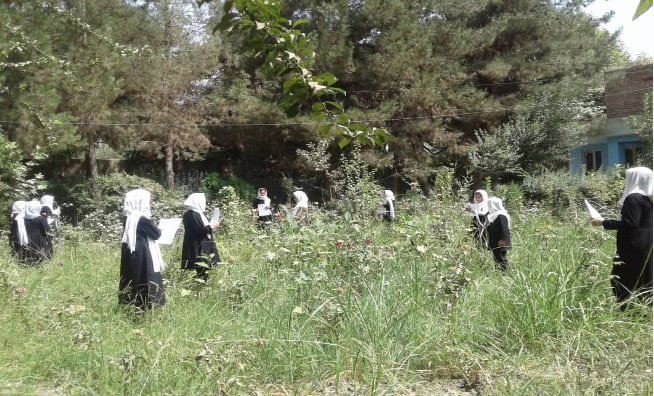
Project-based lessons such as those implemented through the The Road of Learning innovation have also added a further layer of resilience-building. Initiatives such as school gardens, tree-planting, and other environmental awareness projects connected learning to tangible, hopeful action. In a context where external events often feel beyond individual control, these projects gave students a sense of contribution and agency. Caring for plants, improving school grounds, or working together on shared goals has fostered responsibility, teamwork, and optimism — social and emotional skills that are essential for long-term wellbeing.
While [project-based] approaches address learning loss very effectively which is evidenced by a vast improvement in student scores, they also serve a second crucial purpose: rebuilding confidence, routine, and emotional safety for students who have experienced prolonged disruption.
Schools across the programme have also seen a huge improvement in student outcomes since switching to inquiry-led, activity-based approaches. Test scores across foundational literacy and numeracy, science and other disciplines like arts and culture have, in some cases, jumped by as much as 82% compared with before. Innovations like Learning By Doing and Collaborative Learning boast impressive outcomes across the disciplines assessed, whilst anecdotal evidence attests to reduced student absenteeism and improved interest in class.
Teachers have also experienced important gains. Participating in design teams and seeing positive change in their classrooms have helped counter feelings of isolation and burnout. Many reported renewed professional confidence, stronger peer relationships, and pride in their role as innovators rather than mere implementers. In turbulent contexts, this sense of professional dignity and mutual support is a critical form of resilience.
Change rooted in trust
Looking across five years of Schools2030 in Afghanistan, the arc of change is significant. Human-Centred Design has helped teachers respond precisely to learning needs. Activity-based and project-focused methods have re-engaged students academically while also supporting emotional recovery. Classrooms are more interactive, more humane, and more responsive — spaces where learning and wellbeing reinforce each other.
Of course, these innovations have not resolved the challenges facing education in the country, nor would anyone claim this. Nonetheless the stories of these teachers demonstrate something powerful: pedagogical choices matter. When teachers are trusted to diagnose problems, design solutions, and care for the whole learner, classrooms can become anchors of stability and hope.
Over five challenging years, the teachers and on-the-ground teams who make up Schools2030 in Afghanistan have shown that resilience in education is not just about access or outcomes, but about relationships – between teachers and students, between the school and the community, and with learning itself. In classrooms shaped by activity, creativity and care, education becomes more than the transfer of knowledge. It becomes a persistent act of resilience and hope.