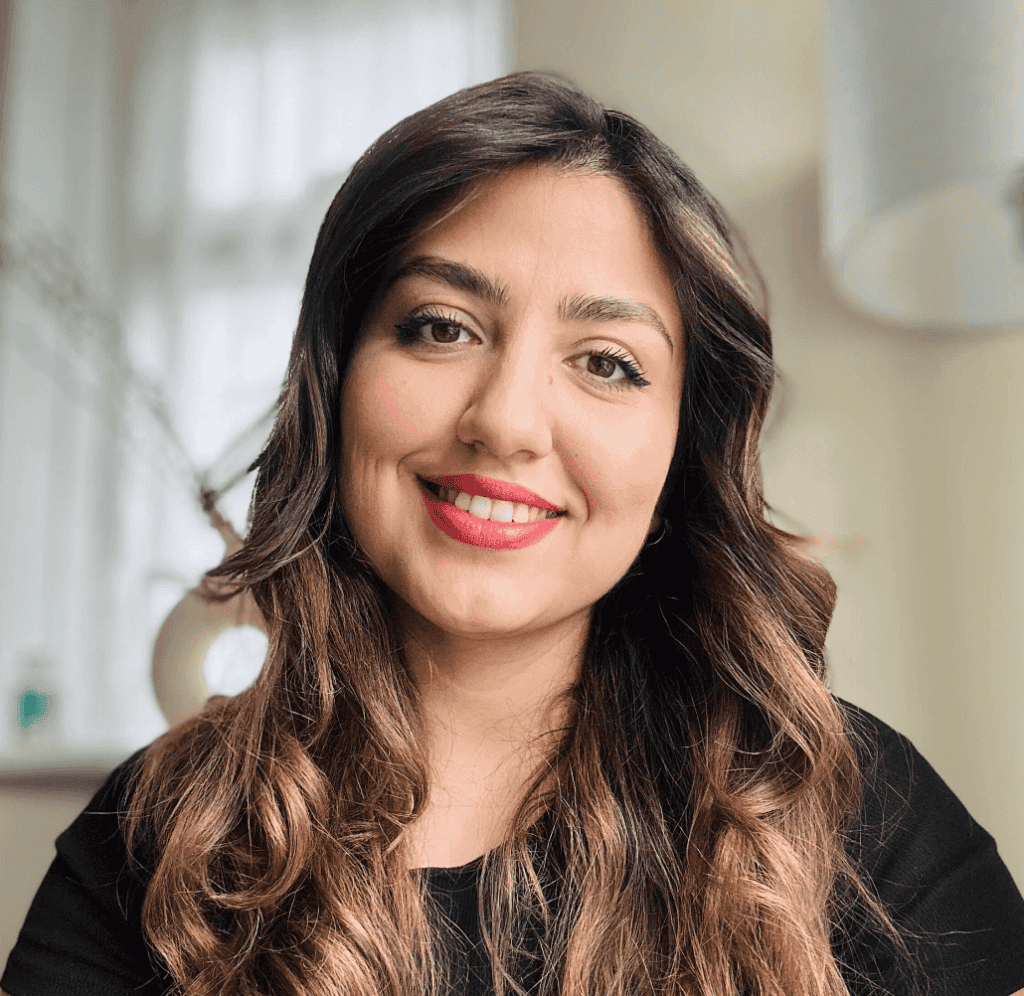
For Morwared Sherzad, the National Coordinator of Schools2030 in Afghanistan from 2019-2021, leading the programme was about more than programme delivery. It was about shifting power — and asking teachers a question they had rarely been asked before: What do you think should change?
We spoke to her about teacher-led innovation, community engagement, well-being during COVID, and why teacher voice matters at every level of the system.
When you look back on leading Schools2030 in Afghanistan, what stands out most about supporting teachers to drive change in their own classrooms?
What stood out from the very beginning was that Schools2030 was rooted in teacher-led innovation. That was completely new.
Usually, when a programme was introduced — whether by government or an international organisation — teachers were given activities to implement and asked to report results. They were not shaping the learning process itself. They were told what to do.
But Schools2030 gave them ownership. It told them: you are the ones who know your classroom. You are the ones who can make change happen.
Teachers had always been “engaged” in programmes, but never in a way where their ideas were truly heard and implemented. This was different. They could see their solutions being tested, refined, and actually put into practice. That gave them confidence.
The idea of iteration was especially powerful. It wasn’t about right or wrong. It was about improvement. That mindset had been missing for a long time.
And the empathy element of human-centred design was meaningful. Teachers in Afghanistan are generally kind and caring people. Making empathy part of the method reassured them that they already had strengths to build on.
When teachers saw that their solutions worked, they took ownership. That ownership is what makes change sustainable.
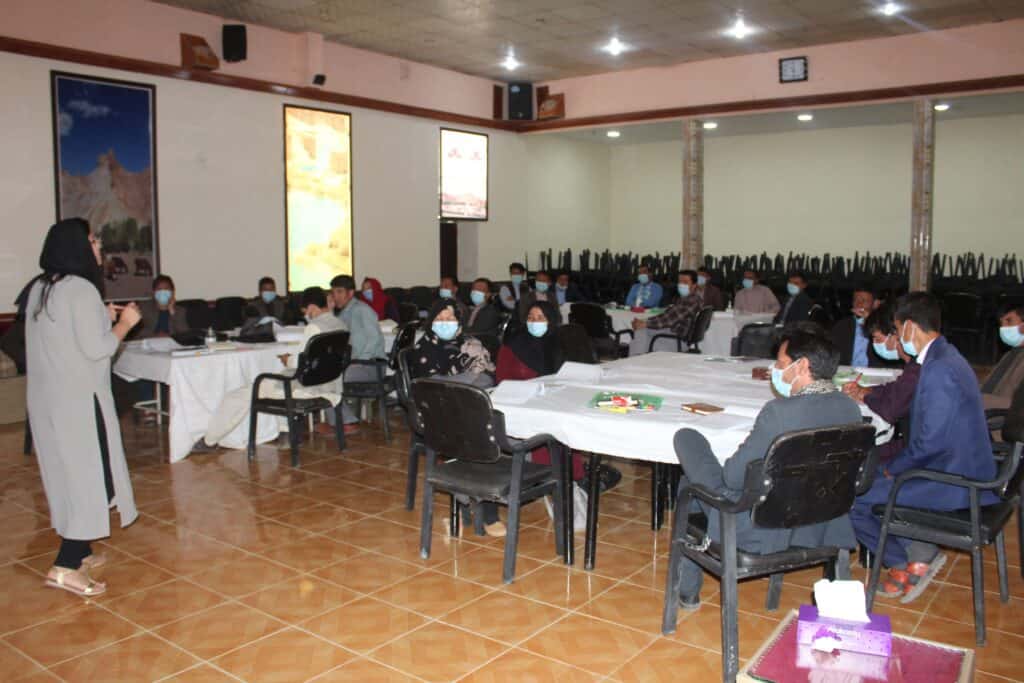
You described how Schools2030 changed the way teachers approached learning. What shifted in classroom practice as a result? And what lessons can be learned for those operating in similarly resource-constrained contexts?
Before Schools2030, the standard pedagogy was simple: explain the topic, students write it down, move on.
Schools2030 disrupted that. And disruption in education is necessary. Without disruption, there’s no room for change.
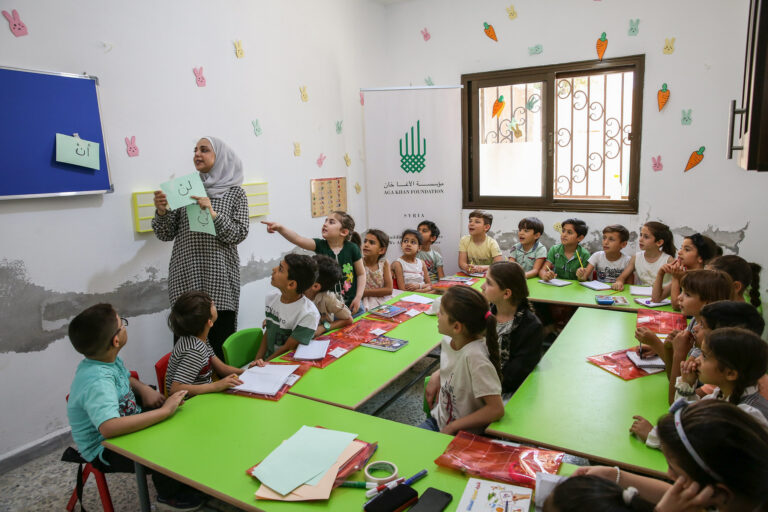
Teachers began experimenting with more interactive methods — projects, crafts, practical examples. Learning became more visual and connected to real life.
When I was a student, our textbooks were very dry — just text. I am a very visual learner, so I had to create images in my mind to understand. Now teachers are creating those visualisations in the classroom.
In Afghanistan, resources are limited, and there is a belief that creativity requires money. But creativity and resources are not the same thing. Schools2030 demonstrated that innovation can be low-cost. Using materials available in the environment can be engaging and effective.
The Innovations Gallery is a good example. Countries with limited resources can see what others are doing and learn from it. Schools2030 creates examples that systems can adopt and adapt.
Many people felt their opinions didn’t matter. Some gave only yes or no answers. It took time to build trust.
What role do families and communities play in sustaining meaningful learning?
In rural Afghanistan especially, the role of community and family in children’s education is very strong. Children are expected to contribute at home. Boys often work with their fathers. Girls often take on household responsibilities. Because children spend only a few hours at school and the rest at home, parental engagement is crucial.
Even if parents cannot help with homework because they are not literate, their presence matters. Encouragement matters. Creating space for children to study matters.
When communities are involved from the beginning, the change becomes sustainable. It becomes a cycle of engagement and improvement.
Introducing something completely new like human-centred design must have been challenging. What was that like?
Anything new comes with challenges. Human-centred design required reflection, and reflection was difficult for many people. When asked about strengths and weaknesses, or classroom challenges, teachers and community members often struggled to respond. Nobody had ever asked them those questions before.
Sometimes they would say, “We don’t have a classroom building.” And that is true — I studied in a school without a building, so I understand. But we also wanted to understand what was happening inside the classroom.
Many people felt their opinions didn’t matter. Some gave only yes or no answers. It took time to build trust. There was pushback. Some believed it wouldn’t last. Not all teachers adopted it immediately. New is difficult. Change is difficult.
Schools2030’s first years in Afghanistan coincided with COVID. Did that change how you thought about well-being?
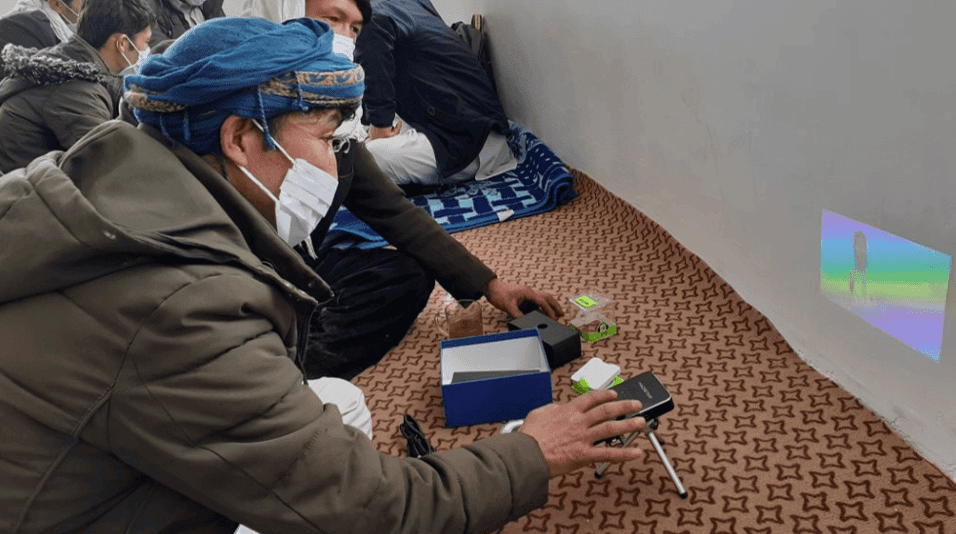
Yes. COVID was a huge well-being challenge. In the beginning, we wanted teachers and students to feel connected and not abandoned. We created video lessons and small community-based viewing spaces using projectors.
Many communities lack electricity or television access, so we created shared spaces where children could watch lessons. These covered maths, biology, chemistry, and other subjects. More than 30,000 students were reached.
It wasn’t just about content. It was about connection. Staying engaged during COVID made us feel that everything had not completely shut down. That sense of connection supports well-being — for all of us.
You’re now working in partnerships as part of Schools2030’s Global Secretariat. How do you see partnerships supporting lasting change?
In partnerships, we are making sure that donor communities and education stakeholders see what it means for teachers to be change-makers.
We strengthen existing partnerships and build new ones that align with the ethos of Schools2030 — system-level change, teacher voice, and sustainable impact.
One major achievement has been contributing to the integration of social-emotional learning into broader assessment discussions at the global level. For many years, the focus was only on literacy and numeracy. But non-academic skills — like critical thinking — are extremely important. Critical thinking was never explicitly taught when I was a student. You don’t automatically develop it — it has to be intentionally taught.
Through partnerships, we are helping ensure that these broader domains are part of global education conversations.
We are making teacher voice visible at system level.
Thank you so much Morwared, that is such an important goal and very necessary to truly transformative education. I there anything you’d like to add?
I hope we build more partnerships with organisations that align with the vision and ethos of Schools 2030, especially in the catalyst years ahead, so we can create even greater impact.