
Five years ago, Schools2030 began with a simple but powerful conviction: that teachers, given the right tools and conditions, could become the authors of educational change. Our 2025 Annual Report — From Schools to Systems — is the story of what happens when that conviction meets evidence.
The report documents a year of significant transition, from consolidating school-level innovation toward embedding proven approaches within education systems more broadly.
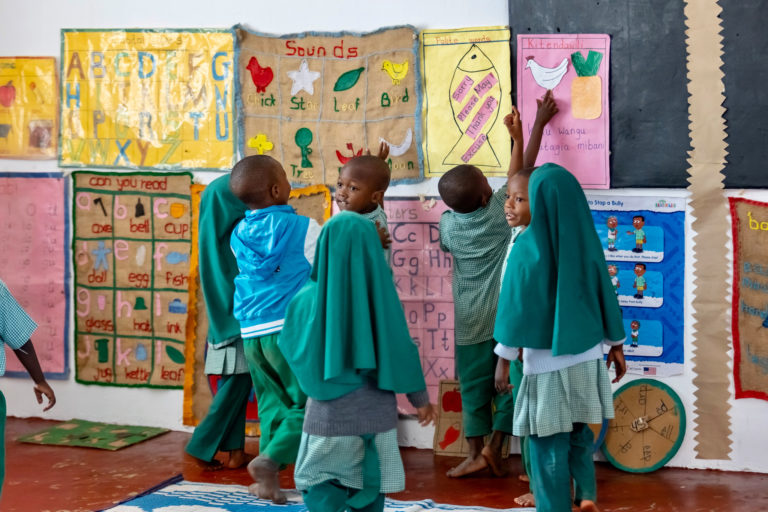
Data emerging from across the programme’s ten country contexts shows continued improvement in student learning outcomes. In Afghanistan, Grade 4 literacy scores rose from 22% to 70% and numeracy from 27% to 81% in a single academic year. In Tanzania, pre-primary literacy proficiency has grown from 28% to 85% over three years. In Kyrgyzstan, over 5,400 students demonstrated gains exceeding 20% in early numeracy, literacy and social-emotional skills.
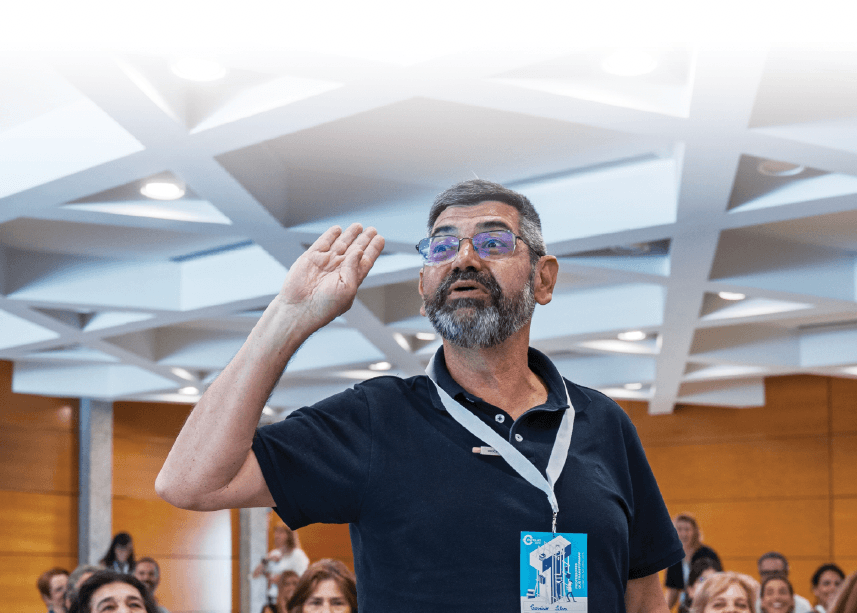
The report contains updates on progress across assessment, design and innovation, research and learning, and events and policy engagement. Highlights include the global launch of the Schools2030 Item Bank and the updated VITAL and BEQI Learning Environment toolkits; the launch of the Schools2030 Innovations Gallery; and the fourth Global Forum in Nairobi, co-hosted with Kenya’s Ministry of Education, which brought together more than 250 education stakeholders from 45 countries.
New partnerships with Sightsavers, and with Aga Khan University and the University of Cambridge (through GPE-KIX funding) are advancing work on inclusive education and the integration of Human-Centred Design within initial teacher education systems. In Brazil, a Technical Cooperation Agreement signed with the Ministry of Education in December opens pathways for national-scale influence on holistic assessment.
These are just a snapshot of the stories you will find in this year’s report, which also links to reports each country and showcases their latest innovations which demonstrate that the change we are working towards is not only possible — it is already happening.